South Sudan Faces Deepening Humanitarian Crisis as Hunger, Disease and Displacement Escalate
By Sasuk Taban
South Sudan is facing one of its most severe humanitarian crises in recent years, as escalating armed conflict, climate shocks and regional instability continue to fuel widespread displacement, acute hunger and multiple disease outbreaks across the country.
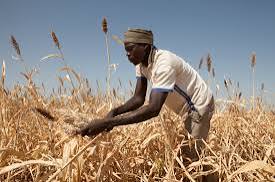
A joint assessment by the Food and Agriculture Organization (FAO) and the World Food Programme (WFP) estimates that more than 7.8 million people—around 55 percent of the population—are experiencing acute food insecurity. Of these, approximately 73,000 people in Jonglei and Upper Nile states are facing famine-like conditions, highlighting the urgent need for expanded humanitarian assistance.
According to the International Organization for Migration (IOM) Displacement Tracking Matrix (DTM), conflict has displaced 323,499 people since January 2026, with Jonglei State recording the highest number of newly displaced residents.
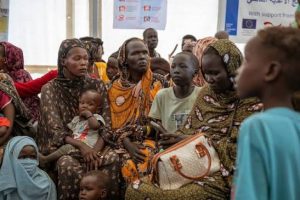
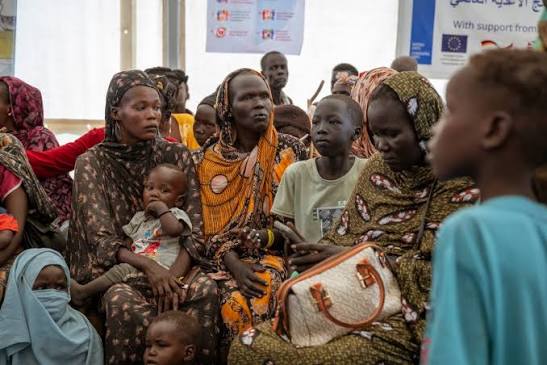
Women and children account for 59 percent of those displaced. The largest concentrations of internally displaced persons (IDPs) have been recorded in Uror County (90,169), Nyirol County (62,174) and Akobo County (37,626).
Meanwhile, 112,829 returnees have arrived in Jonglei and Upper Nile states, the majority fleeing insecurity and deteriorating humanitarian conditions in Ethiopia’s Gambella region. Akobo County alone has received more than 61,000 returnees.
Humanitarian agencies caution that many of these movements do not represent sustainable returns, as families continue to relocate in response to changing conflict dynamics rather than improved security conditions. Food, shelter, healthcare and protection remain among the most urgent needs.
South Sudan’s humanitarian emergency continues to be intensified by developments beyond its borders.Since the outbreak of conflict in Sudan in April 2023, more than 1.4 million people have crossed into South Sudan, including nearly 90,000 new arrivals during the first half of 2026.
At the same time, prolonged drought and severe water shortages in Eastern Equatoria State have forced an estimated 1,500 people to seek refuge in neighboring Kenya, underscoring the growing impact of climate change on displacement across the region.
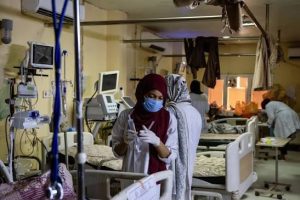
The country’s already fragile health system is simultaneously responding to outbreaks of cholera, polio, measles, mpox, hepatitis E and anthrax.
In June 2026 alone, health authorities recorded 2,767 cholera cases and 15 related deaths, with Unity State accounting for approximately 80 percent of all reported infections.
The Bentiu Internally Displaced Persons (IDP) Camp remains among the areas most affected by the outbreak.
According to the latest IOM DTM Biometric Registration Report, the camp has a verified population of 110,730 people living in 26,147 households.
Women comprise 55 percent of the population, while men account for 45 percent. Children under the age of five represent 12 percent of all registered residents.
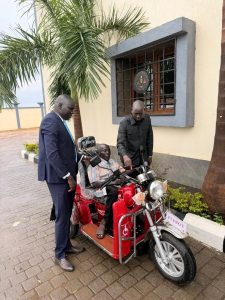
The biometric verification exercise also revealed significant humanitarian and protection needs, identifying 6,495 breastfeeding mothers, 1,016 pregnant women, 458 people living with physical impairments, and 303 individuals with visual disabilities.
Most residents of the camp originally fled conflict in Rubkona County (44 percent), followed by Guit (18 percent), Koch (17 percent) and Leer County (11 percent).Humanitarian agencies warn that inadequate access to safe drinking water, sanitation and healthcare continues to increase the risk of waterborne diseases within the camp.
Since the nationwide cholera outbreak began in late 2024, the disease has claimed nearly 1,700 lives, according to humanitarian reports.
Despite rapidly increasing humanitarian needs, aid organizations warn that severe funding shortfalls are limiting their ability to respond effectively. Many agencies have been forced to scale back operations and prioritize only the most vulnerable communities facing life-threatening levels of hunger.
The operating environment has also become increasingly dangerous. In June 2026, eight humanitarian workers were killed while delivering life-saving assistance, reflecting the growing security risks confronting aid personnel across the country.
Humanitarian organizations are urging the international community to significantly increase financial support to expand emergency food assistance, strengthen healthcare services, improve access to clean water and sanitation, and enhance protection for vulnerable communities before conditions worsen further during the peak lean season.
With conflict, displacement, climate shocks and disease outbreaks occurring simultaneously, humanitarian agencies warn that without immediate and sustained international support, millions of South Sudanese will face even greater hardship in the months ahead.