WASH Assessment Reveals Severe Water and Sanitation Crisis for Displaced Communities in South Kordofan
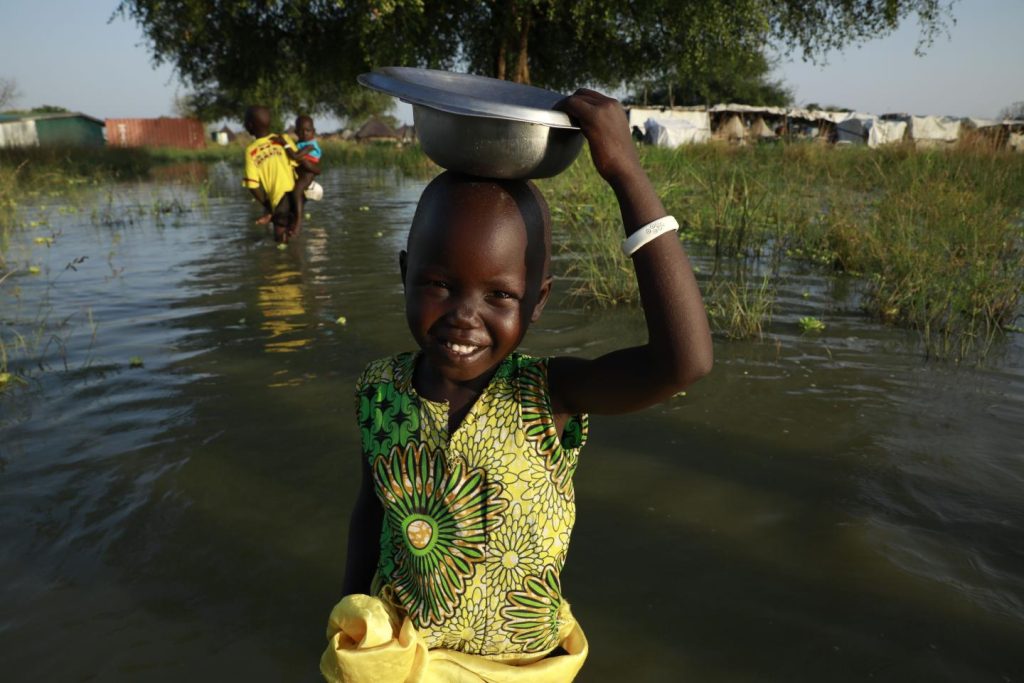
Credit: UNICEF
A new Water, Sanitation and Hygiene (WASH) Baseline Knowledge, Attitudes and Practices (KAP) Survey has revealed critical shortages of safe water, sanitation facilities and hygiene services for internally displaced people (IDPs) in Sudan’s South Kordofan State, highlighting an urgent need for humanitarian intervention.
The assessment, conducted by the Norwegian Refugee Council (NRC), covered five displacement sites in Thobo, Heiban and Um Dorein counties between August 4 and 18, 2025. It surveyed 477 households and found that access to essential WASH services remains well below international humanitarian standards.
According to the survey, more than 37 percent of respondents rely on unprotected river water as their primary drinking source, while over 70 percent travel more than 500 metres to collect water. On average, households have access to only eight litres of water per person per day—far below the SPHERE humanitarian minimum standard of 15 litres.
The report also found that systematic water treatment is largely absent, with more than 92 percent of households consuming untreated water despite widespread concerns over poor water quality and contamination.
Sanitation conditions were described as equally alarming. Nearly 77 percent of surveyed households reported having no access to improved latrines, forcing many to practice open defecation. Existing sanitation facilities are often overcrowded, poorly maintained and inaccessible for people with disabilities, while women and girls face additional safety risks when using latrines at night.
The assessment further revealed low access to hygiene information and supplies. Around 65 percent of respondents said they had never received hygiene promotion messages, while only 5.5 percent of households had access to soap. Many families have resorted to using traditional materials as substitutes for soap and menstrual hygiene products due to financial constraints.
Health concerns remain significant, with nearly half of surveyed households reporting at least one case of Acute Watery Diarrhoea (AWD), particularly among children. The report links the high incidence of diarrhoeal diseases to unsafe water sources, inadequate sanitation and poor hygiene practices.
The NRC warned that South Kordofan continues to face worsening humanitarian conditions following the outbreak of conflict in Sudan in April 2023, which has displaced hundreds of thousands of people and intensified pressure on already limited basic services. The state has also been severely affected by Sudan’s cholera outbreak, increasing the urgency for improved WASH services.
To address the crisis, the report recommends immediate rehabilitation of damaged boreholes, expansion of emergency latrine construction, regular water chlorination, increased hygiene promotion campaigns, and the distribution of soap, water containers and hygiene kits. It also calls for long-term investments in sustainable water systems, improved sanitation infrastructure and stronger community-based WASH management.
The findings underscore the urgent need for coordinated humanitarian support to improve living conditions and reduce the risk of disease outbreaks among displaced communities in South Kordofan.