Africa CDC Brings 13 Countries Together in Kampala to Strengthen Regional Readiness Against Bundibugyo Virus Disease
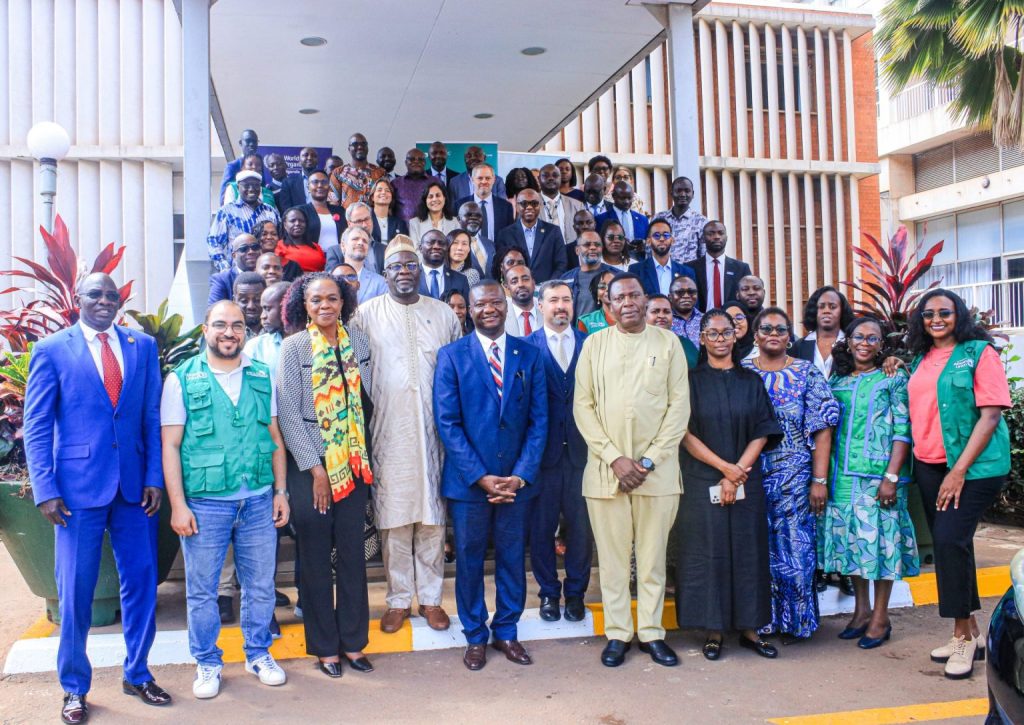
Kampala, Uganda, 26 June 2026 – The Africa Centres for Disease Control and Prevention (Africa CDC), in collaboration with the World Health Organization Regional Office for Africa (WHO AFRO), the UK Health Security Agency (UKHSA), the International Organization for Migration (IOM), UNICEF and key technical partners, has convened a three-day high-level regional meeting in Kampala to strengthen preparedness and cross-border coordination against Bundibugyo virus disease.
The meeting brings together the two affected countries, the Democratic Republic of the Congo and Uganda, alongside 11 high-risk African Union Member States: Angola, Burundi, Central African Republic, Republic of the Congo, Ethiopia, Kenya, Rwanda, Somalia, South Sudan, Tanzania and Zambia.
Senior public health leaders, National Public Health Institute representatives, Incident Managers, Heads of Public Health Emergency Operations Centres, and Points of Entry officials are meeting with regional and international partners to align action around one priority: stronger readiness before further spread occurs.
The meeting follows the declaration of the Bundibugyo virus disease outbreak in the Democratic Republic of the Congo on 15 May 2026. The outbreak was later declared a Public Health Emergency of International Concern by the World Health Organization on 17 May 2026, and a Public Health Emergency of Continental Security by Africa CDC on 18 May 2026. Africa CDC, WHO AFRO and partners subsequently activated the continental Incident Management Support Team and published a joint action plan on 5 June 2026.
Speaking on behalf of the Director General of Africa CDC, H.E. Dr Jean Kaseya, Dr Tolbert Nyenswah, Director, Center for Public Health Emergencies Management and Incident Manager of the Continental IMST from Africa CDC, said regional readiness remains central to protecting lives and containing the outbreak.
“This meeting brings affected and high-risk countries around the same table to strengthen surveillance, improve coordination at Points of Entry, test contingency plans and prepare teams to act quickly when alerts are detected,” Dr Nyenswah said. “Africa CDC is working with Member States and partners to move from plans to operational readiness at borders, in communities, in health facilities and inside emergency operations centres.”
Dr Charles Olaro, Director General of Health Services at the Ministry of Health of Uganda, welcomed participating countries and partners to Kampala. He emphasized the importance of cross-border collaboration to stop the outbreak, called for solidarity with affected communities, and highlighted the need to focus collective efforts on Ituri while preparing other high-risk countries.
Over three days, countries will review their national preparedness status, share lessons from the response, identify operational gaps, and strengthen collaboration across borders. The meeting will focus on surveillance and epidemiology, emergency operations, laboratory networks, case management, Points of Entry, human mobility, risk communication, community engagement and One Health coordination.
Participants will also take part in simulation exercises designed to test contingency plans, stress-test coordination channels and identify practical improvements for faster detection, referral, isolation, investigation and response.
The Kampala meeting places strong emphasis on cross-border systems. This includes formal and informal Points of Entry, population mobility mapping, referral and transport mechanisms, Public Health Emergency Operations Centre linkages, joint information sharing and coordination between affected and high-risk countries.
The meeting will conclude on 28 June 2026 with key recommendations and a regional roadmap to strengthen preparedness and cross-border collaboration against Bundibugyo virus disease.