7.8 Million People Face Acute Hunger as South Sudan Strengthens Disease Preparedness and Emergency Response
Credit: AP News
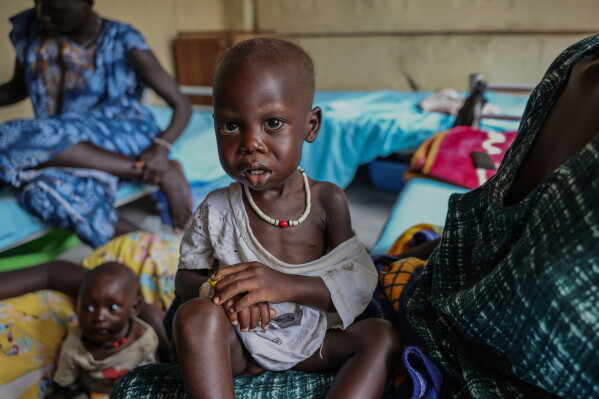
An estimated 7.8 million people, representing 55 percent of South Sudan’s analyzed population, are experiencing acute food insecurity, while 2.2 million children and 1.2 million pregnant and breastfeeding women are suffering from acute malnutrition, according to the latest humanitarian situation update by WHO.
The report classifies the food crisis as a Grade 2 emergency, warning that 73,000 people are already facing IPC Phase 5 (Catastrophe), the most severe level of food insecurity. Humanitarian agencies are expanding treatment for severe and moderate acute malnutrition, increasing stabilization centre capacity, and distributing nutrition supplies across the most affected counties.
Despite heightened regional concern over Ebola and Bundibugyo Virus Disease (BVD) outbreaks in neighboring Democratic Republic of Congo and Uganda, South Sudan has not recorded any confirmed cases. Authorities have screened 453,002 travelers at points of entry, while a national Master Training of Trainers on Ebola preparedness began on July 6, bringing together 150 participants to strengthen surveillance and response capacity.
The report notes that cholera cases have declined by 8.6 percent over the past week, with 416 new infections recorded. Health authorities are preparing to launch an oral cholera vaccine mop-up campaign in Rubkona, Mayom and Leer, tentatively scheduled for July 10, pending the arrival of vaccines and campaign materials.
Meanwhile, health officials confirmed one new circulating vaccine-derived poliovirus type 1 (cVDPV1) case in Longochok County. Vaccination coverage during the second round of synchronized immunization activities reached 92 percent, with more than 809,000 children vaccinated.
Malaria cases also declined, with 50,755 cases reported during the week—about 19.4 percent lower than during the same period in 2025. However, mpox transmission remains active with 15 active confirmed cases, while measles outbreaks continue in parts of Upper Nile, Western Equatoria, Central Equatoria, and Lakes states.
The humanitarian update also highlights renewed insecurity in Akobo County, where clashes on July 5 displaced civilians and disrupted humanitarian operations. More than 2,300 medical consultations were conducted during the reporting week, while aid agencies continue supporting displaced communities.
Health partners are prioritizing emergency food and nutrition assistance, cholera vaccination, Ebola preparedness, polio surveillance, measles response, and humanitarian access to conflict-affected areas as South Sudan continues to face multiple public health and humanitarian challenges.