UNICEF Warns South Sudan Remains at High Risk as Ebola Outbreak Continues in DRC and Uganda
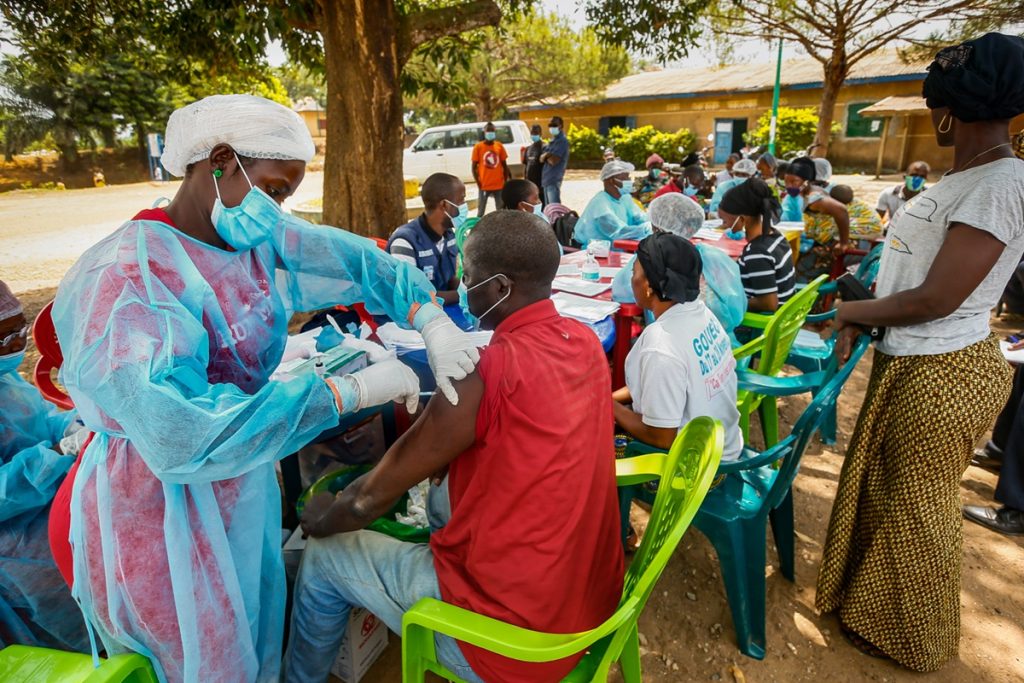
Credit: WHO
By Sasuk Taban
UNICEF has warned that South Sudan remains at high risk of importing the Ebola virus disease due to continued cross-border movement with the Democratic Republic of the Congo and Uganda, fragile health systems, and ongoing humanitarian challenges.
In its latest regional preparedness update, UNICEF said that although no Ebola cases have been confirmed outside the DRC and Uganda, the risk of regional spread remains high because of porous borders, frequent population movement, trade routes, and refugee flows.
As of June 29, 2026, the DRC had reported 1,274 confirmed Ebola cases, including 360 deaths, while Uganda had confirmed 20 cases and two deaths.
To strengthen preparedness, UNICEF has been supporting the Government of South Sudan across several response pillars, including infection prevention and control (IPC), water, sanitation and hygiene (WASH), risk communication and community engagement (RCCE), emergency coordination, and surveillance.
The agency said IPC and WASH assessments have been completed in seven priority health facilities, as well as at Juba International Airport and the Juba Isolation and Treatment Unit to identify operational gaps and improve readiness.
UNICEF also supported the development of standard operating procedures for case management, IPC/WASH, community engagement, and logistics, while mapping health, WASH, and RCCE partners to strengthen coordination.
On June 18, UNICEF facilitated the delivery of 12.6 metric tonnes of personal protective equipment (PPE) and infection prevention supplies for pre-positioning in 28 priority health facilities across Greater Equatoria.
Community preparedness has also expanded in five high-risk counties, where 604 Boma Health Workers have been trained and deployed. The workers have reached more than 7,600 people through household visits, nearly 900 schoolchildren, and over 230 community leaders.
According to UNICEF, community dialogues and radio programmes have reached approximately 63,500 people, while the national Ebola call centre has handled more than 600 alerts and inquiries. The agency also supported the printing of over 10,800 information, education, and communication materials to raise public awareness.
Beyond the Ebola threat, UNICEF noted that South Sudan continues to face a severe humanitarian crisis, with an estimated nine million people, including 4.9 million children, requiring humanitarian assistance due to conflict, displacement, flooding, disease outbreaks, and economic hardship.
Across Eastern, Southern and Western Africa, UNICEF is appealing for US$70.7 million to support Ebola response efforts, including US$29.1 million for preparedness in ten high-risk countries. The agency warned that significant funding gaps continue to limit preparedness activities and called for increased international support to prevent cross-border transmission before cases emerge.