South Sudan Faces High Newborn Death Rate as Skilled Birth Attendance Remains Low
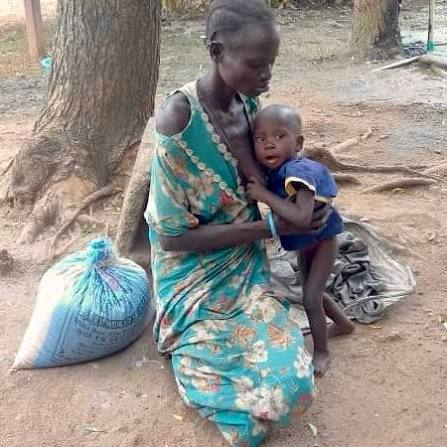
A new analytical factsheet by WHO has revealed that South Sudan continues to face a severe newborn survival crisis, with low rates of skilled birth attendance and major health system gaps contributing to one of the highest neonatal mortality rates in the region.
The report, which draws on data from the 2025 Multiple Indicator Cluster Survey (MICS), DHIS2 routine health data, and national health sector reports, shows that the country’s neonatal mortality rate stands at 35 deaths per 1,000 live births.
According to the findings, up to 84 percent of newborn deaths in South Sudan are preventable through proven, low-cost interventions such as clean delivery practices, immediate newborn care, kangaroo mother care, neonatal resuscitation, infection management, and timely use of antenatal corticosteroids.
The report highlights a significant gap in skilled birth attendance. While the 2025 MICS household survey found that 54 percent of births were attended by a skilled health worker, routine facility data from DHIS2 recorded only 19.5 percent of facility births being assisted by skilled personnel.
Only 36 percent of pregnant women completed at least four antenatal care visits, while the national caesarean section rate remains at 2 percent, far below the 5–10 percent level recommended under the Every Newborn Action Plan (ENAP).
Wide disparities across states
The analysis reveals considerable differences in maternal and newborn health services across South Sudan.
Conflict-affected and underserved areas such as Pibor Administrative Area, Unity State, and Jonglei State recorded the lowest levels of skilled birth attendance, with fewer than one in three women giving birth with qualified health personnel.
The report notes that these areas also experience some of the highest rates of newborn deaths, underscoring the strong link between access to skilled care and newborn survival.
Health system challenges
Researchers identified multiple barriers limiting access to quality maternal and newborn healthcare.
Only 58 to 78 percent of health facilities are operational at any given time, while 79.5 percent of women reported experiencing at least one barrier to accessing healthcare.
The country also faces critical shortages of trained health workers, with only 7.9 health workers per 10,000 people, far below the World Health Organization benchmark of 44.5 per 10,000.
Frequent shortages of essential medicines, inadequate medical equipment, poor infrastructure, insecurity, flooding, displacement, and limited domestic health financing continue to undermine service delivery.
The report further found that only around 14 percent of pregnant women receive a complete, quality antenatal care package, while many newborns miss the critical postnatal check-up within the first 48 hours after birth, when the risk of death is highest.
Recommendations
The report calls on the Government and its partners to strengthen emergency obstetric and newborn care services, recruit and retain more skilled health workers, deploy additional community midwives, and expand access to comprehensive emergency maternal healthcare.
It also recommends improving the availability of essential medicines and medical supplies, increasing investment in youth-friendly reproductive health services, strengthening referral systems, and ensuring continuity of maternal and newborn health services during conflict, flooding, and other emergencies.
The report stresses that accelerating progress will require sustained investment and coordinated action if South Sudan is to significantly reduce preventable newborn deaths and meet global maternal and child health targets by 2030.