UNICEF Seeks $25 Million to Sustain Emergency Response as Conflict and Disease Risks Deepen in South Sudan
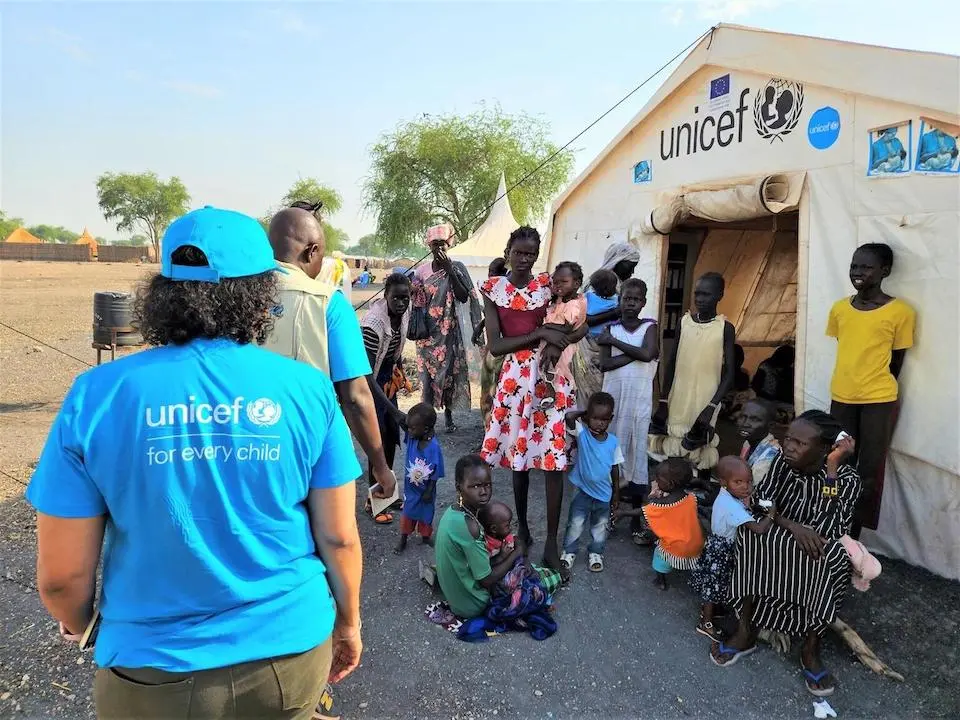
Credit: UNICEF USA
By Philip Taban
UNICEF has appealed for US$25 million to sustain its Level 2 emergency response in South Sudan, warning that conflict, mass displacement, severe food insecurity and the growing risk of Bundibugyo Virus Disease (BVD) continue to leave millions of people in urgent need of humanitarian assistance.
According to UNICEF’s June 2026 Humanitarian Flash Update, the humanitarian situation remains critical in Jonglei State and parts of Upper Nile, Unity and Lakes states, despite relative calm in some areas.
The agency said nearly 430,000 people were newly displaced by violence between January and May 2026, including more than 320,000 in Jonglei State alone.
Around 260,000 people remain displaced within Jonglei, while others have fled to neighboring areas, including Mingkaman in Lakes State, Upper Nile, and Juba County.
UNICEF warned that basic services are under immense pressure as displaced families return to communities with limited infrastructure. Akobo County Hospital is now serving an estimated 267,000 people, nearly five times its intended capacity, while many areas have little or no access to functioning health facilities, clean water or education.
The humanitarian crisis is being compounded by worsening food insecurity and malnutrition. Between April and July 2026, an estimated 7.8 million people across South Sudan are experiencing acute food insecurity at IPC Phase 3 or above, with approximately 73,000 people facing catastrophic hunger in parts of Jonglei and Upper Nile.
In Jonglei alone, around 1.4 million people—about 64 percent of the state’s population—are expected to face crisis or worse levels of food insecurity. UNICEF estimates that nearly 500,000 children under five require treatment for acute malnutrition, including more than 172,000 children suffering from severe acute malnutrition.
To address the crisis, UNICEF has expanded emergency operations through fixed health facilities, mobile outreach teams and rapid response missions.
During the reporting period, UNICEF and its partners:
Provided mental health and psychosocial support to more than 2,600 children, adolescents and caregivers.
Delivered child protection services to 174 vulnerable children.
Supported over 2,500 women and girls with gender-based violence services.
Reached nearly 43,000 people with hygiene promotion and disease prevention activities.
Provided temporary access to safe drinking water for 14,200 people.
Admitted 6,532 severely malnourished children for treatment, achieving a recovery rate of over 97 percent.
Distributed emergency nutrition and medical supplies, including Ready-to-Use Therapeutic Food (RUTF), therapeutic milk and antibiotics.
UNICEF also continued strengthening health services by supplying emergency health kits, clean delivery kits, cholera treatment supplies and emergency medical tents to health facilities in Unity, Lakes and other affected states.
Meanwhile, although South Sudan has not recorded any confirmed cases of Bundibugyo Virus Disease (BVD), UNICEF warned that the country remains at high risk because of cross-border movement with Uganda and the Democratic Republic of the Congo.
The agency said preparedness efforts include strengthening infection prevention systems at health facilities and Juba International Airport, delivering more than 12.6 metric tons of protective equipment and WASH supplies, training 604 Boma Health Workers, and reaching over 63,500 people with public awareness campaigns.
However, UNICEF cautioned that preparedness remains constrained by funding shortages and weak health infrastructure.
The agency said it requires US$25 million to sustain life-saving interventions across health, nutrition, water and sanitation, child protection and education sectors. As of June 2026, only US$9 million had been secured, leaving a funding gap of US$16 million that threatens ongoing humanitarian operations.
UNICEF called on donors and partners to increase support to ensure vulnerable communities continue receiving essential services amid South Sudan’s worsening humanitarian crisis.