NCRC, UN Women Conclude Constitutional Consultation Workshop for IDPs and civil society
By Roselyn Oboy
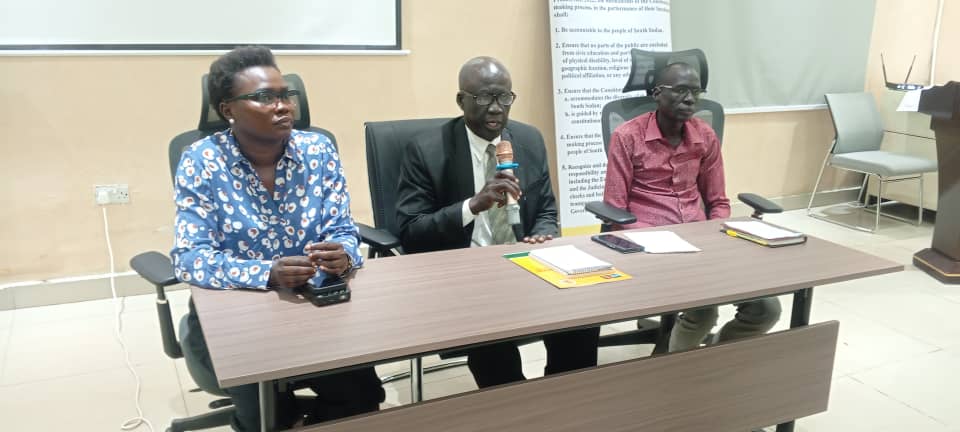
The National Constitutional Review Commission (NCRC), in collaboration with UN Women have concluded a two-day civic education and public consultations workshop for Internally Displaced Persons (IDPs) and civil society organizations as part of South Sudan’s constitution-making process.
Speaking at the closing session, NCRC Secretary General John Natana said the process aims to protect the rights of all citizens, especially those affected by displacement.
” This constitution is there to ensure that no one should be an IDP in his own country. You are citizens of this country, and you should be given freedom to decide”
He added that the commission remains committed to protecting indigenous languages, ensuring equitable resource distribution, and upholding judicial independence.
Addressing participants on behalf of UN Women Representative Delphine Serumaga, Jocelyn Oboy emphasized the need for an inclusive constitution that reflects the aspirations of all citizens.
“This dialogue has reminded us that a constitution is not merely a legal document; it is the collective vision of a nation. It must reflect the dignity, rights, and hopes of all people. women and men, young and old, displaced and settled, marginalized and empowered, and also people with disabilities” Oboy said, reaffirming UN Women’s commitment to gender equality and inclusive governance.
Chairman of Checkpoint IDP Camp1, Jinub Maker welcomed the inclusion of displaced communities in the review process.”
Actually, the people residing in IDP camps are not defined by that identity. In South Sudan, we do not have people who are naturally IDPs within our country. They became internally displaced because of the incidents that occurred, and that is how the IDP status came about.”
The consultations ended with a renewed commitment from stakeholders to contribute to the constitution-making process and ensure that the voices of IDPs, civil society, women, youth, and other communities are reflected in South Sudan’s permanent constitution.
“
“