Ebola Cases in Eastern DRC Rise to 1,406 as WFP Expands Emergency Response
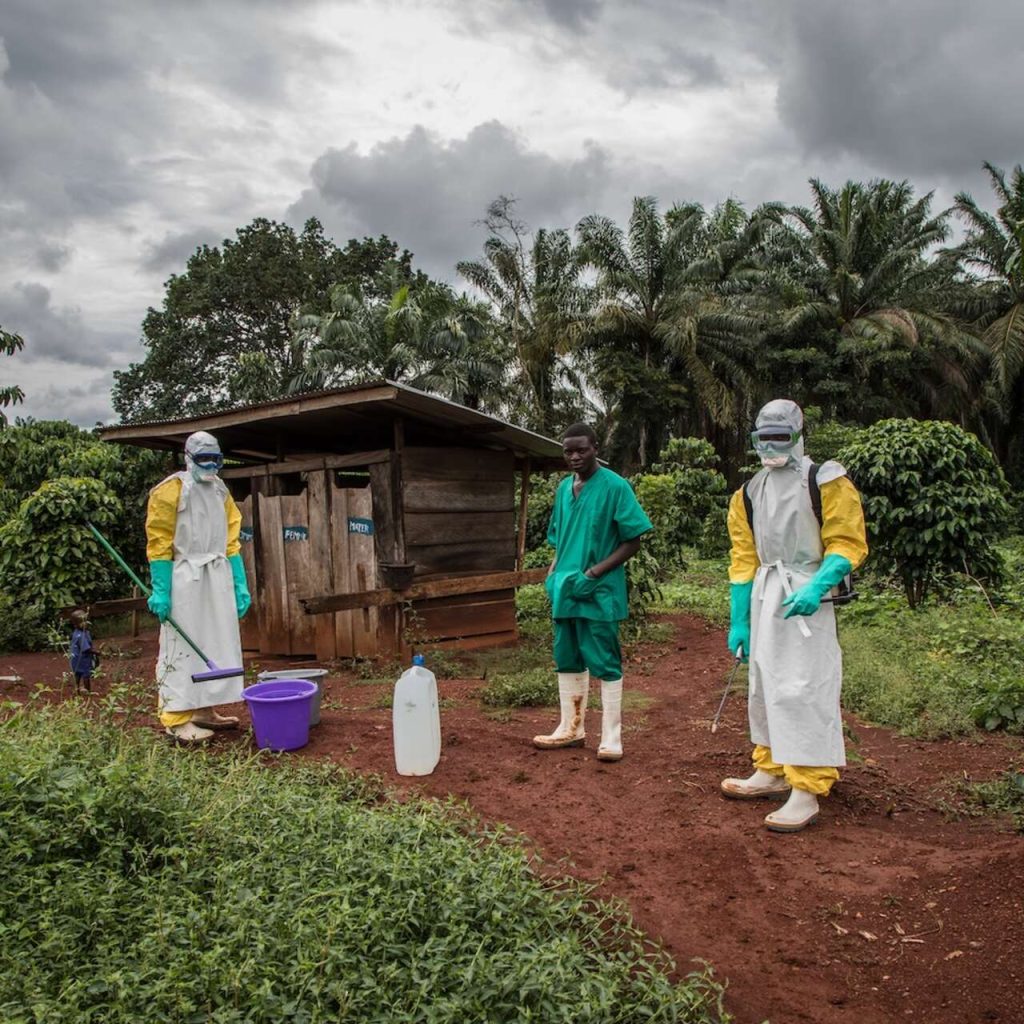
Creator: Kellie Ryan/IRCCopyright: KELLIE RYAN
The Ebola outbreak in eastern Democratic Republic of the Congo (DRC) has escalated rapidly, with confirmed cases rising to 1,406 by the end of June, prompting an expanded humanitarian response led by the government and international partners.
According to the World Food Programme (WFP) Ebola Response Situation Report released on 30 June 2026, the outbreak has claimed 438 lives while 208 people have recovered. The disease has spread across 36 health zones in three provinces since it was first declared on 14 May after eight cases were confirmed in Ituri Province.
WFP said it has been supporting the response by providing food assistance, nutrition support, logistics, and humanitarian air services in coordination with the Congolese government, the World Health Organization (WHO), and other partners.
Since 28 May, WFP and its cooperating partner, SDC, have been providing daily hot meals to Ebola patients, caregivers, and frontline health workers in treatment centres across Ituri Province. By the end of June, more than 62,000 hot meals had been distributed, while about 19,000 people received take-home food rations to help affected families cope with the crisis.
The agency also reported that the United Nations Humanitarian Air Service (UNHAS) transported more than 2,300 humanitarian workers and 47 metric tonnes of essential cargo to support the emergency response.
WFP warned that the outbreak is unfolding in one of the world’s most fragile humanitarian settings, where conflict, mass displacement, and widespread hunger have already left millions vulnerable. The Ebola-affected health zones overlap with areas where an estimated 2.2 million people are facing acute food insecurity at IPC Phase 3 (Crisis) or worse.
Movement restrictions, isolation measures, and the loss of livelihoods caused by the outbreak are expected to further reduce access to food and income, increasing the risk of worsening hunger among affected communities.
Health authorities also cautioned that the risk of regional spread remains high because of the proximity of affected areas to Uganda and South Sudan. Cross-border coordination has therefore been strengthened to improve surveillance and preparedness.
The current outbreak, caused by the Bundibugyo strain of the Ebola virus, is the DRC’s 17th recorded Ebola outbreak. Unlike previous outbreaks, there is currently no approved vaccine available for this strain, making early detection, isolation, and community engagement critical to containing the disease.
To sustain its operations, WFP said it requires US$286.5 million between June and November 2026 to continue delivering life-saving food assistance, logistics, and aviation support for the Ebola response and other humanitarian operations in the Democratic Republic of the Congo.