East Africa Faces Growing Food Security Risks as Poor Rains Threaten Harvests, FEWS NET Warns
Credit:FEWS NET
By Sasuk Taban
Severe rainfall deficits across East Africa are raising concerns over food security, with South Sudan among the countries expected to experience below-average agricultural production due to poor rainfall and worsening moisture stress, according to the latest FEWS NET East Africa Seasonal Monitor.
The report says below-average rainfall during June, coupled with forecasts for drier-than-normal conditions between July and September, is threatening crop production across several countries, including South Sudan, Sudan, Kenya, Uganda, Ethiopia and Somalia.
FEWS NET noted that severe rainfall deficits have intensified moisture stress across South Sudan’s unimodal cropping areas, making below-average harvests increasingly likely. Harvests in the country’s bimodal regions are also expected to be average to below average following prolonged dry spells during critical crop development stages.
The report further states that the main June–September rainy season in South Sudan has experienced an erratic start, with rainfall between June 1 and July 10 remaining well below average in many areas. The resulting moisture shortages have limited seed germination and early crop establishment, increasing the likelihood of reduced agricultural production.
According to FEWS NET, strengthening El Niño conditions are expected to suppress rainfall across much of western and northern East Africa through September while also bringing above-normal temperatures. These conditions are likely to accelerate soil moisture loss and further reduce crop yields, particularly in southeastern South Sudan.
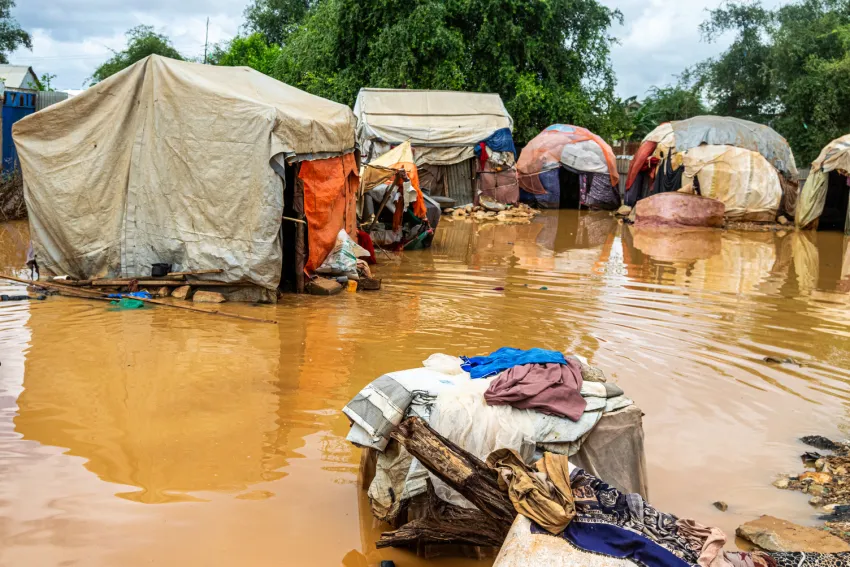
Despite the short-term dry outlook, climate models suggest that strengthening El Niño, combined with a positive Indian Ocean Dipole, could bring above-average rainfall during the October–December season. While this may improve soil moisture and water availability, it could also increase the risk of flash floods and river flooding across parts of East Africa, including South Sudan.
FEWS NET urged continued monitoring of weather conditions, warning that prolonged rainfall deficits could worsen food insecurity and place additional pressure on farming and pastoral communities across the region.