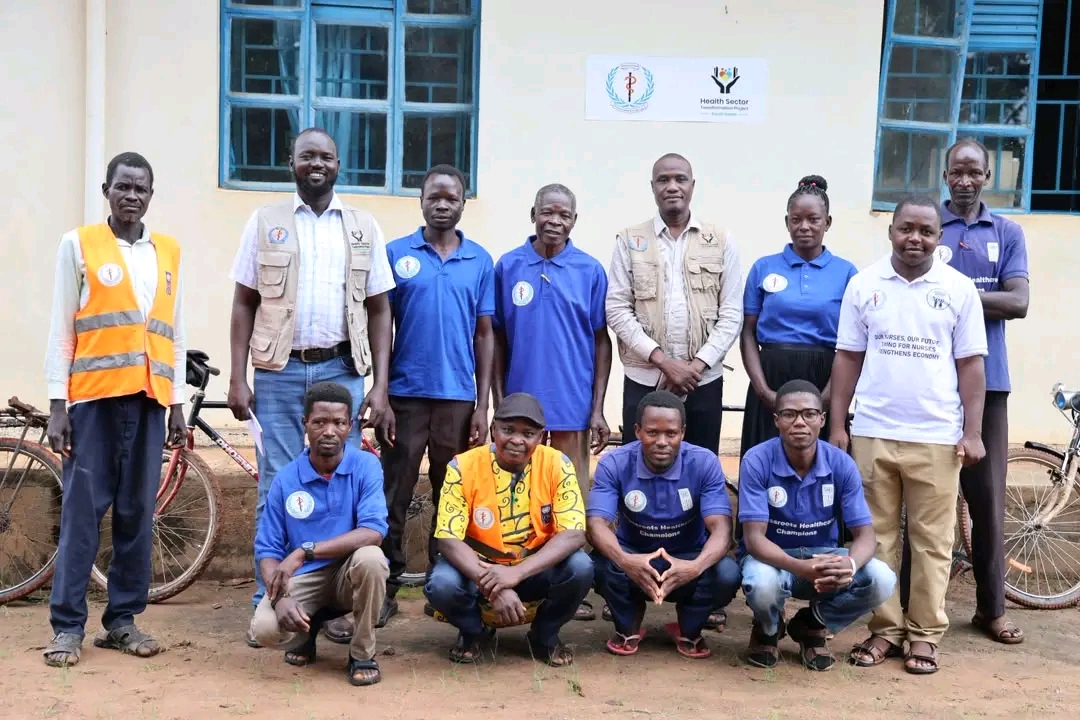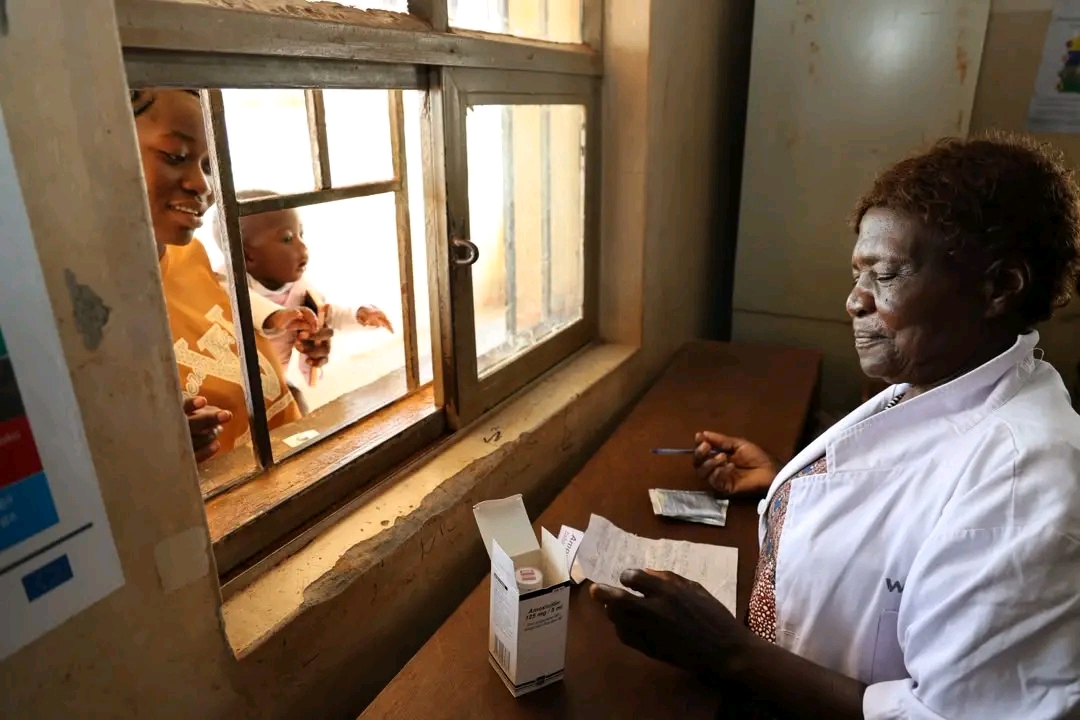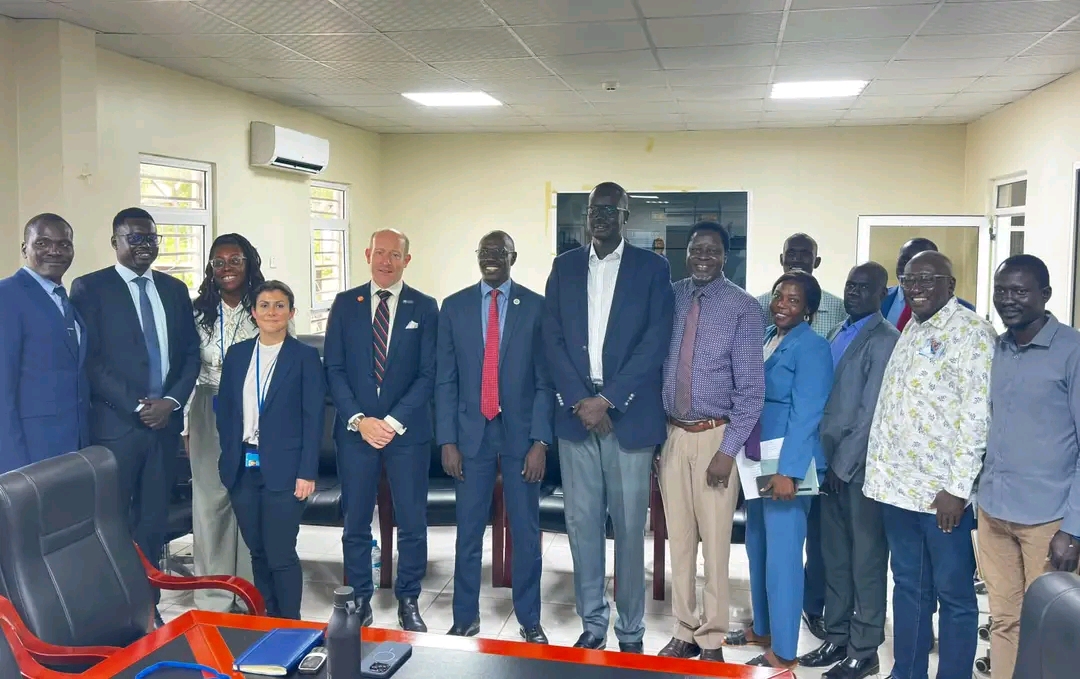
South Sudan has conducted a five-day simulation exercise in Juba, Yei and Yambio to assess the country’s preparedness to detect and respond to poten...
South Sudan has conducted a five-day simulation exercise in Juba, Yei and Yambio to assess the country’s preparedness to detect and respond to potential cases of Bundibugyo virus disease (BVD).The exercise, held from October 19 to 24, was led by the Ministry of Health in collaboration with the National Public Health Institute (NPHI), with support from the World Health Organization (WHO), the Africa Centres for Disease Control and Prevention (Africa CDC), UNICEF and other partners.According to the preparedness update, South Sudan has not reported any confirmed cases of Bundibugyo virus disease. However, health authorities have strengthened surveillance and response systems to ensure the early detection and management of any suspected infections.The surveillance system has detected 71 alerts, of which 23 were verified as credible alerts that met the standard case definition for BVD. All 23 alerts tested negative at the national public health laboratory, according to the update.Suspected cases were safely isolated in designated holding areas established in 15 high-risk counties bordering the Democratic Republic of the Congo (DRC) and Uganda.The government has prioritized these counties as part of a targeted preparedness strategy aimed at directing limited resources towards areas considered most vulnerable to potential cross-border transmission.Preparedness activities in the 15 priority counties focus on early detection, timely reporting, investigation, isolation, laboratory confirmation and containment, including contact tracing.Health authorities and their partners say they remain mobilized despite the absence of confirmed cases, emphasizing the importance of maintaining vigilance and strengthening response capacity before an outbreak occurs.The full-scale simulation exercise was designed to test and validate the country’s ability to detect suspected cases, notify relevant authorities, investigate alerts, deploy rapid response teams and coordinate emergency operations at national and subnational levels.Such exercises help identify gaps in emergency preparedness, assess coordination among health institutions and partners, and strengthen the capacity of frontline health workers to respond effectively to public health threats.Bundibugyo virus disease is a rare but potentially severe illness caused by the Bundibugyo virus, a member of the orthoebolavirus group. It was first identified during an outbreak in Uganda in 2007. The disease is related to Ebola virus disease, although it is caused by a different virus.Public health measures for controlling potential outbreaks include early identification and isolation of suspected cases, laboratory testing, infection prevention and control, contact tracing, and timely communication with affected communities.The simulation exercise forms part of South Sudan’s broader efforts to strengthen national preparedness and protect communities against emerging infectious diseases, particularly in areas bordering countries that may face similar public health risks.
0 likes