The Boma Health Initiative (BHI) is a key Government of South Sudan initiative that brings essential primary healthcare services closer to communities...
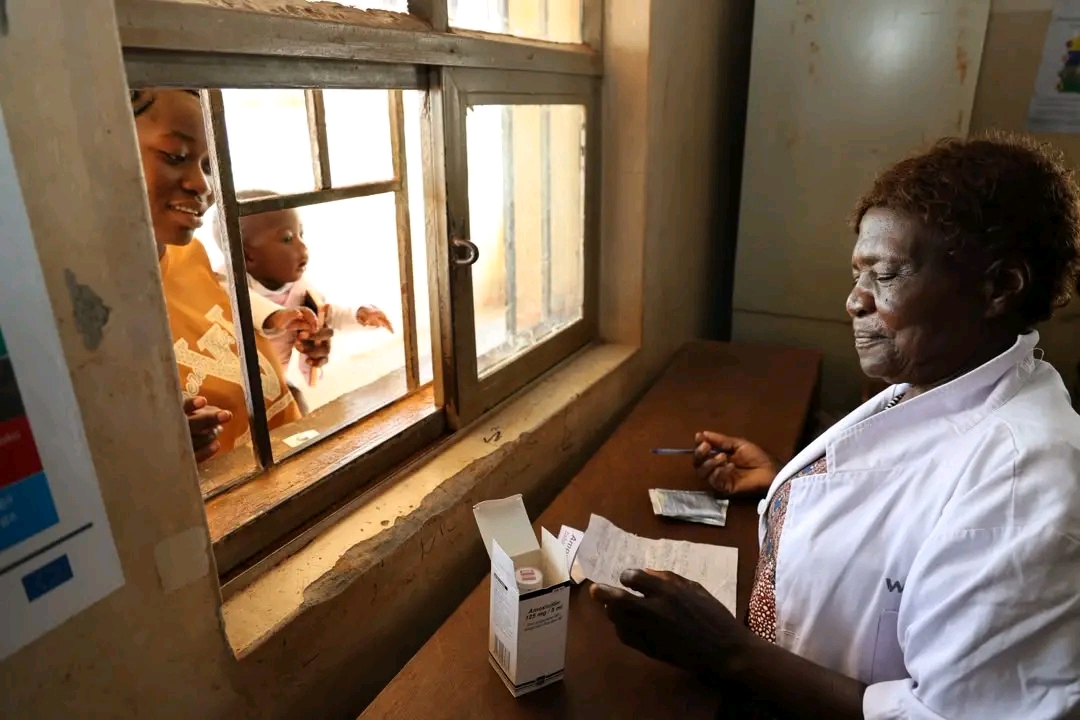
The Boma Health Initiative (BHI) is a key Government of South Sudan initiative that brings essential primary healthcare services closer to communities by empowering trained Boma Health Workers to provide basic health services, promote disease prevention, and raise awareness about health issues at the grassroots level.At Bazungua Primary Health Care Centre (PHCC) in Yambio, Western Equatoria State, 26 Boma Health Initiative personnel are actively mobilizing community members to seek timely healthcare, visit health facilities for essential services, and stay informed about disease outbreaks and other important health developments.Beyond community mobilization, these dedicated frontline workers serve as a vital link between health facilities and the communities they serve. Their work helps promote health-seeking behaviour, strengthen disease surveillance and awareness, and encourage communities to take greater responsibility for their health and well-being.Despite challenges, including delays in incentives and occasional shortages of essential medicines, the Boma Health Workers continue to serve their communities. They meet monthly to submit reports, share experiences, discuss operational challenges, and identify ways to support one another in delivering their responsibilities.Their commitment demonstrates the important role community-based health workers play in strengthening South Sudan's health system, particularly in reaching people who might otherwise face barriers to accessing healthcare.Bazungua PHCC is among the 715 health facilities supported by the Health Sector Transformation Project (HSTP), a Government of South Sudan-led initiative funded by the World Bank and a consortium of donors, with UNICEF and WHO serving as fund managers.By bringing health information, awareness, and essential services closer to the people, Boma Health Workers are helping build healthier, better-informed, and more resilient communities—one boma at a time.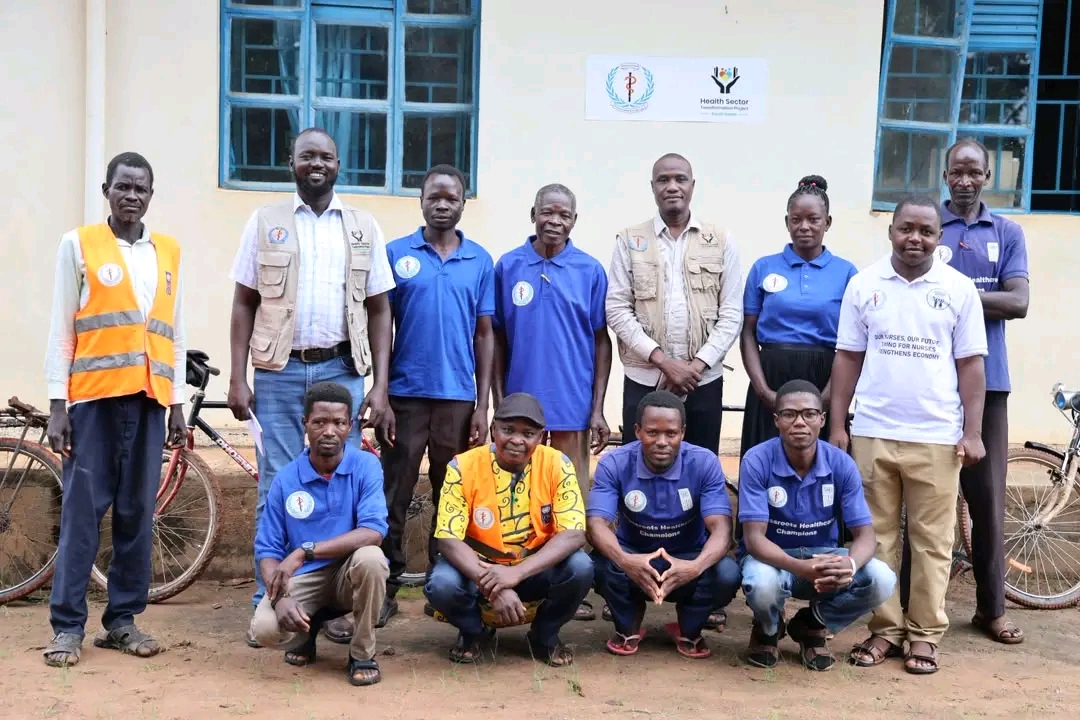
1 like