More Than 5 Million Sudanese Return Home as Millions Remain Displaced, IOM Says
Credit: ReliefWeb
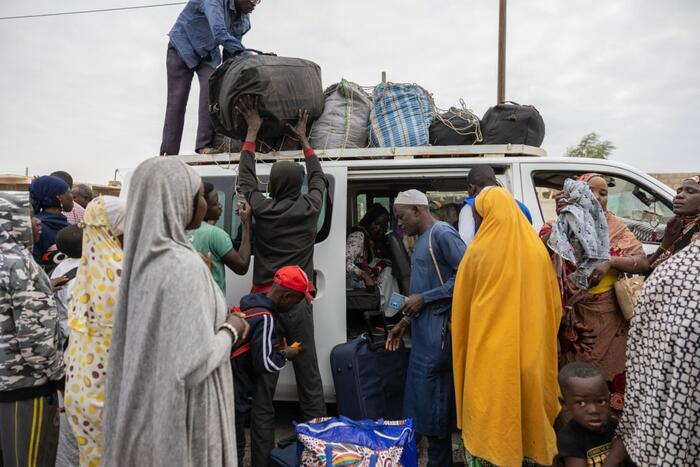
More than 5.1 million people have returned to their areas of origin in Sudan, while more than 8.5 million remain displaced amid ongoing conflict and limited access to basic services, the International Organization for Migration said Monday.
According to new data from IOM’s Displacement Tracking Matrix, 5,145,165 people have returned to 76 localities across nine states, a 4% increase from the previous month.
At the same time, 8,583,274 people remain displaced across 185 localities in all 18 states. Although the displaced population is about 1% lower than last month and 26% below the peak of the crisis, continued insecurity is still driving new displacement in parts of Darfur, Kordofan and Blue Nile.
IOM said many returnees are going back to areas where homes, schools and health facilities have been damaged or destroyed, while livelihood opportunities remain limited.
“More than five million Sudanese have gone home. That says a lot about their courage and their hope,” IOM Director General Amy Pope said. “But getting home is only the start.”
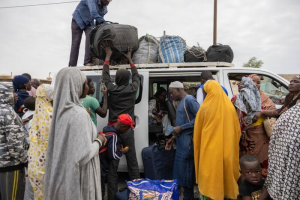
Of the returnees, about 82%, or 4.2 million people, were previously displaced within Sudan. The remaining 18%, or about 930,000 people, returned from other countries.
Egypt accounted for half of the international returns, followed by South Sudan with 25%, Libya with 10% and Gulf countries with 8%.
IOM said continued humanitarian assistance is needed for displaced people and vulnerable returnees, particularly in shelter, protection, non-food items and basic services. It also called for longer-term investment to restore infrastructure, strengthen public services and support livelihoods.
About half of Sudan’s displaced population and 50% of returnees are under the age of 18, according to IOM. Many face disrupted education, limited access to health care and protection gaps.
IOM warned that the return of more than five million people represents a significant development but remains fragile. Without sustained humanitarian and recovery support, families returning to areas with damaged infrastructure and weak local economies could face renewed displacement.
The agency urged governments, donors, development partners, international financial institutions and humanitarian organizations to support both immediate humanitarian needs and longer-term recovery efforts.