Ebola Response Intensifies as Logistics Support Expands Across Eastern DRC
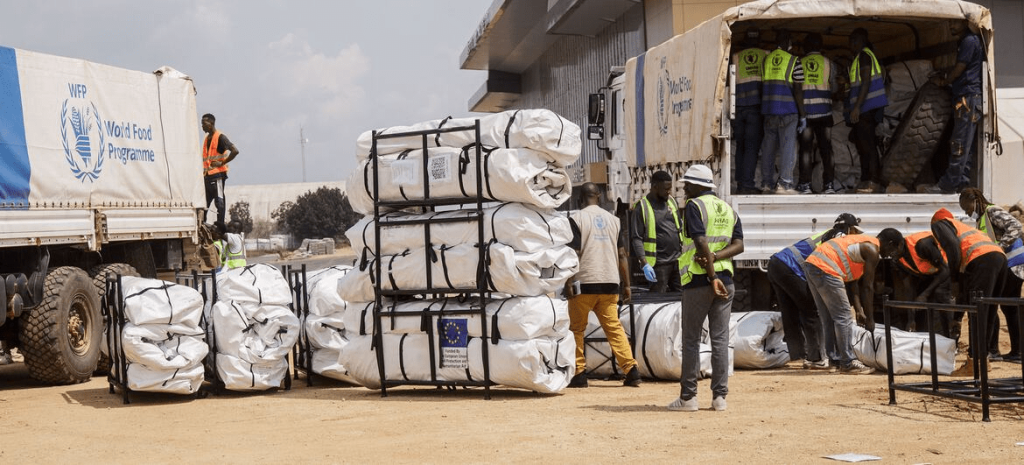
© WFP/Arete/Seros Muyisa
The Ebola outbreak in the Democratic Republic of Congo is entering a phase of intense and expanding transmission, with active cases reported across five provinces, according to a Logistics and Telecommunications Cluster situation report covering Aug. 1-15.
The World Health Organization reported as of Aug. 12 that active transmission was ongoing in Ituri, North Kivu, Haut-Uélé, Tshopo and South Kivu provinces.
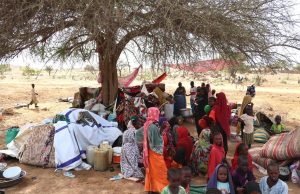
The response has been complicated by insecurity, displacement, population movements and community resistance, raising concerns about further spread and increasing demand for logistics, transportation, storage and emergency telecommunications services.
WHO and its partners are expanding treatment and operational capacity in eastern DRC, including additional Ebola Treatment Centres and Forward Logistics Bases. The Logistics and Telecommunications Cluster is supporting the movement and storage of critical supplies and equipment needed for the response.
At the Entebbe staging area in Uganda, the Logistics and Telecommunications Cluster has received more than 1,124 metric tons of cargo since the beginning of the crisis. More than 135 metric tons arrived between Aug. 1 and Aug. 16 from Nairobi, Accra, Dakar, the European Union and the United Arab Emirates.
An EU humanitarian flight carrying 65 metric tons of cargo arrived Aug. 11, with onward dispatches to Bunia continuing.
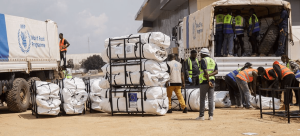
Between Aug. 1 and Aug. 16, the cluster transported 224 metric tons of cargo, including 42 metric tons through four C-130 aircraft rotations and 182 metric tons by road. Cumulatively, more than 776 metric tons of cargo have been transported from the Entebbe staging area to eastern DRC on behalf of 16 partners.
Bunia remains the main logistics hub for humanitarian air cargo destined for affected areas. From Bunia, supplies are moved to last-mile locations by air and road.
At the request of WHO and the Congolese government, the cluster is also supporting the establishment of Forward Logistics Bases in Bunia. Construction of the Lita base is being finalized and includes mobile storage units, prefabricated containers and sanitation facilities to support health partners working at the Lita Ebola Treatment Centre.
South Sudan is also stepping up Ebola preparedness efforts, particularly in Western Equatoria and Central Equatoria states.
The Logistics and Telecommunications Cluster is working with the government and other partners to strengthen preparedness in 15 priority counties. Ezo, Yambio, Juba, Yei, Morobo and Nzara have been identified as Tier 1A locations requiring enhanced preparedness activities.
With U.S. funding, the cluster is procuring additional tents for Ebola response operations, including potential treatment centres and remote isolation points at public health facilities and points of entry.
Between Aug. 1 and Aug. 13, more than 20 metric tons of non-food items, including tents, mobile storage units and health supplies, were transported by road on behalf of WHO and International Medical Corps. The cluster also provided a 240-square-meter mobile storage unit for common storage in Yambio.
Laboratory samples are additionally being transported from Yei, Yambio and Nimule, with this service expected to be phased out once mobile laboratories become operational.
The report identified customs and border clearance delays as a continuing challenge to the Ebola response.
The Goli-Mahagi and Mpondwe border crossings remain key entry points for humanitarian cargo moving from Uganda into DRC. Humanitarian partners have raised concerns over customs procedures, congestion and delays that are slowing the movement of critical supplies.
Limited visibility of partner supply pipelines and late notifications of incoming cargo at the Entebbe staging area and Bunia logistics hub are also affecting operational planning. Access constraints remain a concern as logistics operations are expanded.
The Logistics and Telecommunications Cluster said it remains prepared to scale up support as Ebola response operations expand across affected areas of the DRC and preparedness efforts continue in neighbouring countries, including South Sudan, Rwanda and Burundi.