South Sudan food basket costs dip as fuel prices and currency pressures persist
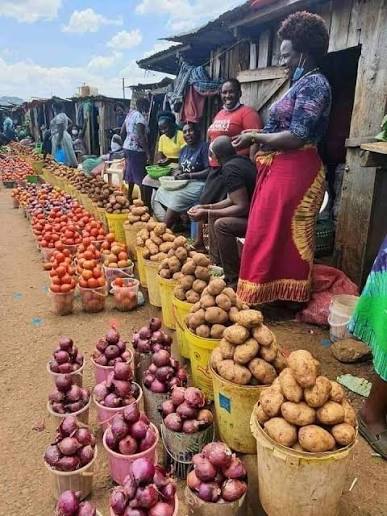
The average cost of a monthly food basket in South Sudan fell by 2% during the week of July 27 to Aug. 2, but households continue to face high food and fuel prices, sharp market volatility and a weakening local currency, according to a new report by the United Nations World Food Programme.
The national average cost of the standard monthly food basket stood at 127,835 South Sudanese pounds per person during the reporting week. The basket includes 15 kilograms of cereals, 1.5 kilograms of pulses, 0.9 liters of cooking oil and 0.15 kilograms of salt.
The national decline was largely driven by a 22% drop in Eastern Equatoria, where the cost fell to 89,979 pounds. The WFP attributed the decrease to improved cereal supplies, particularly in Kapoeta, following a temporary easing of rainfall-related transport challenges that allowed more imports to move through the Ikotos corridor.
However, food costs continued to rise in several other parts of the country.
Central Equatoria recorded the highest food basket cost at 168,021 pounds, an increase of 3% from the previous week. Unity State followed at 160,077 pounds, with prices remaining broadly unchanged.
Over the past four weeks, food basket costs rose by 22% in Northern Bahr el Ghazal and 19% in Upper Nile, highlighting significant differences in market conditions across the country.
WFP also reported significant week-on-week price fluctuations for individual commodities.
Bean prices increased by 25% in Konyo Konyo market but fell by 14% in Kuajok. Salt prices rose 42% in Abyei while declining by 33% in Torit. Vegetable oil prices increased 25% in Gorom but dropped 20% in Torit.
Goat prices in Konyo Konyo rose by 43% during the week, with no declines recorded in the other markets monitored by WFP.
Fuel prices remained particularly high, reflecting infrastructure challenges and limited competition in some markets. Old Fangak recorded the highest reported price at 60,000 pounds per liter, while Wedwil recorded a 17% weekly decline.
The food price trends come amid continued depreciation of the South Sudanese pound.
According to WFP, the pound has lost about 20% of its value in parallel markets since the beginning of 2026, including a 10% decline over the past four weeks.
The gap between the official exchange rate and average informal market rates has reached 43%, increasing uncertainty for traders and adding pressure to supply chains that depend heavily on imported goods.
WFP said the combination of currency depreciation, high fuel costs and localized market disruptions continues to undermine household purchasing power, despite the modest national decline in food basket costs.
The agency’s Eastern Africa Economic Explorer provides additional historical and market-level data on food prices, exchange rates and other economic indicators across the region.