Humanitarian Agencies Launch Unified Coordination Model to Strengthen Aid Response in South Sudan
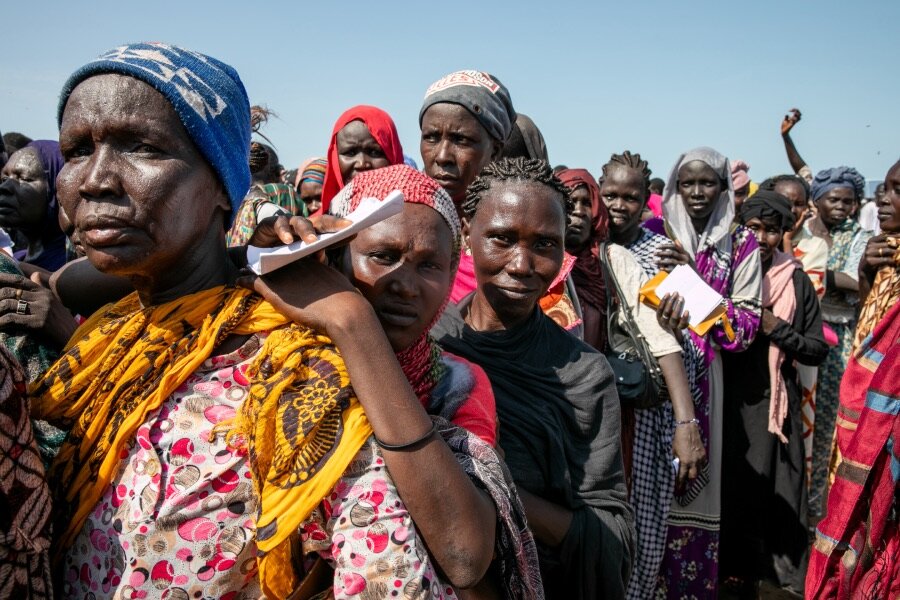
Credit: WFP
Humanitarian agencies in South Sudan have launched a new unified coordination model aimed at improving assistance for millions of displaced people affected by flooding, conflict, and cross-border population movements.
The newly established Shelter, Land and Site Coordination (SLSC) Cluster brings together shelter, camp management, and housing rights under a single operational framework to improve the delivery of humanitarian assistance and support more sustainable settlements.
The integrated approach merges three previously separate humanitarian sectors: Shelter and Non-Food Items (SNFI), Camp Coordination and Camp Management (CCCM), and Housing, Land and Property (HLP) Rights.
Humanitarian officials said the new structure addresses long-standing coordination gaps by ensuring shelter assistance is delivered alongside land tenure support and site planning. The approach is designed to reduce the risk of displaced families being relocated without adequate legal protections or access to secure settlement areas.
Despite the operational changes, the cluster faces significant funding shortfalls that continue to limit its response capacity.
According to the latest cluster data, the Shelter and Non-Food Items sector has received $21.8 million, representing 42.5 percent of its $51 million funding requirement. The sector has so far assisted 231,583 people, against a target of 882,000.
Meanwhile, Site Management and Coordination activities remain completely unfunded, with the sector receiving none of its required $17 million. Nevertheless, humanitarian partners have reached approximately 146,000 people, or 19 percent of the planned 736,000 beneficiaries, through emergency resource reallocations.
The cluster is implementing a decentralized coordination system focused on priority humanitarian hotspots across the country.
The International Organization for Migration (IOM) serves as the national cluster coordinator and provider of last resort, while the Norwegian Refugee Council (NRC) leads technical work on Housing, Land and Property Rights. UNHCR coordinates site management activities.
In Renk, Upper Nile State, ACTED is leading operations to support large numbers of returnees and refugees arriving from neighboring Sudan. In Rubkona, Unity State, IOM is overseeing shelter interventions in areas heavily affected by climate-related displacement.
In Jonglei State, national and international humanitarian organizations, including CIDO and RAO, are delivering shelter assistance and essential relief supplies to remote flood-affected communities.
Humanitarian partners say the shift to an area-based coordination model is intended to improve the efficiency of aid delivery while helping displaced communities move beyond emergency assistance toward safer and more predictable living conditions.