South Sudan Unveils $55.8 Million Plan to Resettle 45,000 Displaced People in Malakal
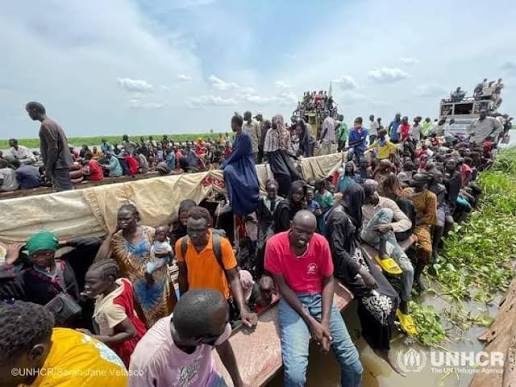
South Sudanese authorities and humanitarian partners have launched a three-year response plan worth USD 55.8 million to help approximately 45,000 internally displaced people leave the former United Nations Protection of Civilians (PoC) site in Malakal and rebuild their lives in surrounding communities.
The Malakal Area-Based Coordination (ABC) Response Plan 2026–2028 provides a roadmap for voluntary returns, improved access to basic services, and long-term recovery following the transfer of the former PoC site to the Government of South Sudan in February 2026.
The initiative is expected to support displaced families with safe relocation, housing, livelihoods, and essential public services while strengthening the capacity of local institutions to manage the transition.
The response will be rolled out in two phases. The first phase, running from July 2026 through December 2027, requires USD 17 million to facilitate the voluntary return of 10,000 people to priority residential areas, including Hai Matar, Hai Luakat, and Hai Salam. During this period, humanitarian partners will continue providing health, water, and sanitation services inside the former PoC site while returnees receive food assistance and essential household items to ease their resettlement.
The second phase, scheduled between January 2027 and December 2028, seeks USD 38.8 million to support the return of an additional 35,000 people. Investments will focus on expanding infrastructure, improving flood resilience, restoring public services, and transferring coordination responsibilities to local government authorities.
Housing, land, and settlement activities account for the largest share of the budget at USD 34.75 million, reflecting the need to provide secure land and durable housing solutions. The plan also allocates USD 9.5 million for water, sanitation, healthcare, and other essential services, USD 6 million to strengthen livelihoods through agriculture and skills training, and USD 2.5 million for demining operations to clear approximately 1.5 million square metres of land in Hai Salam 2.
Additional funding will support protection services, community dialogue, governance, and coordination to ensure a well-managed and inclusive transition.
Humanitarian partners say the Malakal initiative represents a shift from emergency assistance toward long-term development by strengthening existing government systems rather than creating parallel structures. If successful, the approach is expected to become a model for addressing protracted displacement across South Sudan under the country’s Durable Solutions Strategy.
Officials have appealed for timely donor support, warning that early investment will be crucial to sustaining progress, preventing a deterioration of humanitarian conditions, and enabling thousands of displaced families to return home with dignity and safety.