South Sudan Steps Up Disease Preparedness as Cholera Cases Rise
South Sudan has strengthened its preparedness against Ebola and Bundibugyo virus disease (EVD/BVD), even as the country battles a resurgence of cholera and mounting humanitarian challenges, according to the latest Weekly Situation Update on Ongoing Health Emergency Events.
The report shows that South Sudan remains free of confirmed Ebola or Bundibugyo virus disease cases, but the risk of importation remains high due to the ongoing outbreak in the Democratic Republic of the Congo and cross-border population movements. National preparedness reached 65 percent in July, surpassing the World Health Organization African Region average of 55 percent. More than 570,000 travellers have been screened at points of entry, while one health alert detected at the Nimule border crossing remains under investigation.
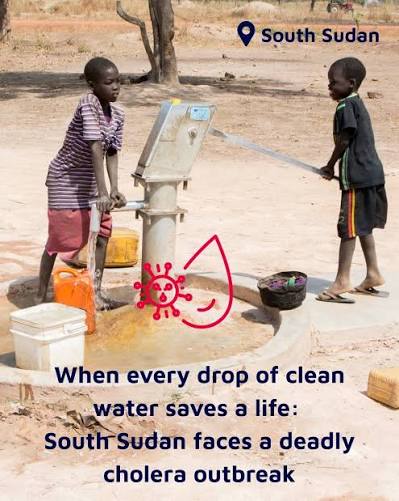
Ongoing health emergency events for week 29 of 2026.pdfHealth authorities also reported 391 new cholera cases during the reporting week, representing a 12.7 percent increase compared to the previous week. Active transmission is concentrated in Rubkona, Mayom, Renk and Fangak, with poor water, sanitation and hygiene conditions in displacement sites continuing to fuel infections.
The report notes that preparations for an oral cholera vaccine mop-up campaign have been completed in Rubkona, Mayom and Leer, while surveillance and water, sanitation and hygiene interventions are being intensified in the worst-affected areas.
Meanwhile, no new circulating vaccine-derived poliovirus isolates were detected during the week, although authorities continue surveillance ahead of a nationwide immunization campaign scheduled for late August. Active Mpox transmission continues, with 15 new confirmed cases recorded, while four suspected measles cases are awaiting laboratory confirmation. Malaria cases increased by 7.3 percent from the previous week but remained significantly lower than during the same period in 2025.
The report also highlights a worsening humanitarian situation in Jonglei State, where conflict, displacement and food insecurity continue to disrupt health services. An estimated 620,000 people have been displaced since January, while acute malnutrition has reached 22.3 percent, exceeding the emergency threshold. Health officials warned that low immunization coverage and damaged health facilities have increased the risk of disease outbreaks, particularly among children under five and pregnant women.
Health authorities and partners are prioritizing cholera response activities, restoring routine immunization, strengthening disease surveillance, and training frontline health workers to improve preparedness for potential cross-border disease threats.