WFP Expands Ebola Preparedness in South Sudan as Regional Outbreak Intensifies
The United Nations World Food Programme (WFP) has intensified Ebola preparedness measures in South Sudan as the Bundibugyo Ebola Virus Disease (BEVD) outbreak continues to spread across eastern Democratic Republic of the Congo (DRC), raising concerns over cross-border transmission.
According to WFP’s latest External Situation Report released on 23 July, the outbreak has expanded to 47 health zones across five provinces in eastern DRC, making it the third-largest Ebola outbreak on record. The agency warned that the health emergency is worsening food insecurity and disrupting livelihoods in communities already affected by conflict and displacement.
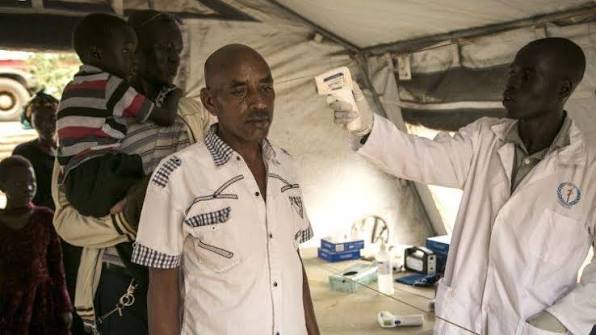
In South Sudan, WFP is supporting government-led preparedness efforts in partnership with the National Public Health Institute (NPHI) by strengthening logistics and emergency response capacity. The agency has installed a Mobile Storage Unit at the Infectious Disease Unit and organized personal protective equipment (PPE) in government warehouses ahead of inventory management training for national health officials.
To enhance disease surveillance, the United Nations Humanitarian Air Service (UNHAS) has expanded its fleet with a Caravan aircraft, enabling access to Yambio, Yei, Kajo-Keji and, once operational assessments are completed, Maridi. The additional flights will facilitate the rapid transport of suspected Ebola samples to the national laboratory in Juba seven days a week. WFP said the Logistics and Telecommunications Cluster will also coordinate the air transport of essential non-food supplies to the same locations when necessary.
Across the region, WFP is providing food assistance to Ebola patients, people in quarantine, frontline health workers and affected households. The agency has delivered more than 140,000 hot meals and food rations to over 23,000 people in the DRC, while more than 19,200 meals have been provided in Uganda’s treatment and quarantine centres. WFP is also supporting preparedness activities in South Sudan, Rwanda, Burundi and the Central African Republic through food prepositioning and contingency planning.
The agency warned that the Ebola outbreak is unfolding in one of the world’s most challenging humanitarian environments, where millions of people already face acute food insecurity. It stressed that food assistance remains essential to supporting public health measures and preventing further social unrest in affected communities.
WFP said it requires US$101 million to sustain its regional Ebola response over the next six months but has so far received only US$24 million, leaving significant funding gaps. The organization appealed to international donors for urgent and flexible funding to maintain food assistance, logistics, air transport and preparedness activities in countries at risk, including South Sudan.