IRC Warns Ebola Outbreak in DR Congo Is Worsening, Raising Risk of Spread to South Sudan
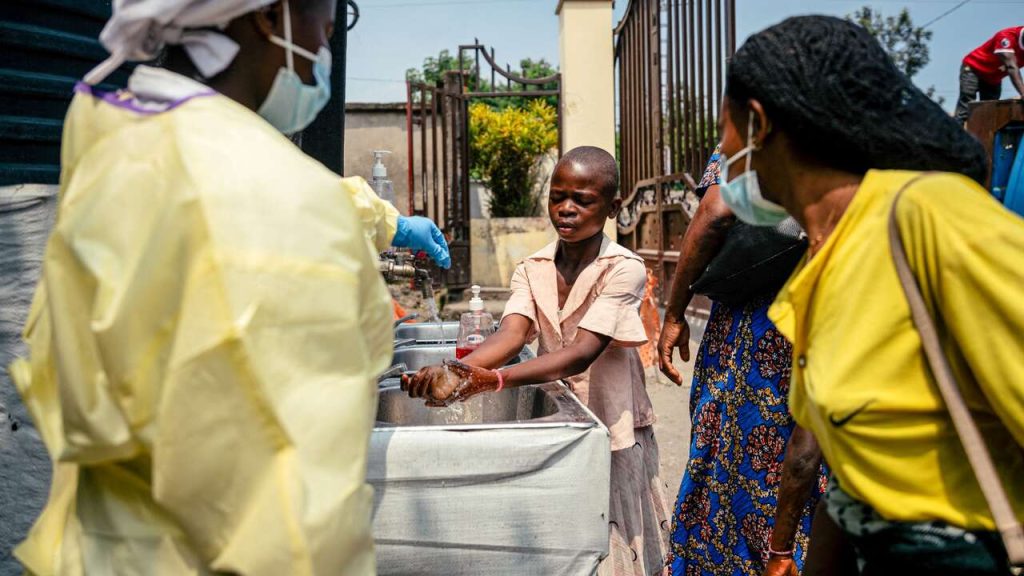
Credit: IRC
The International Rescue Committee (IRC) has warned that the Ebola outbreak in the Democratic Republic of the Congo (DRC) is intensifying, with the growing spread of the virus increasing the risk of transmission into neighboring South Sudan.
In a statement released on Monday, the IRC said the outbreak is expanding both in areas already affected and in new locations, with five provinces in the DRC now reporting Ebola cases. These include Ituri, North Kivu, South Kivu, Tshopo and Haut-Uélé.
According to the DRC Ministry of Health, 1,926 Ebola cases and 702 deaths had been confirmed as of July 11, 2026. Health authorities say the outbreak has not yet reached its peak, as the number of infections continues to rise steadily.
The humanitarian organization expressed particular concern over the confirmation of two Ebola cases in Wamba, Haut-Uélé Province, near the South Sudan border, warning that cross-border transmission is becoming increasingly likely.
“The risk to South Sudan is particularly alarming. If Ebola crosses the border, it could spread silently before being detected, making the response far more complex and putting countless lives at risk,” said Bob Kitchen, IRC Vice President of Emergencies.
The World Health Organization (WHO) estimates there is a 70 percent likelihood that the virus could spread into South Sudan due to frequent cross-border movement and limited health infrastructure in border areas.
The IRC also highlighted the emergence of Ebola cases in Kisangani, a major transport hub along the Congo River, saying it raises concerns about the virus spreading to additional parts of the DRC and beyond.
Despite improvements in contact tracing, which has reached 78.3 percent, the IRC noted that the figure remains below the WHO-recommended target of 90 to 95 percent needed to effectively contain an Ebola outbreak.
The organization said ongoing insecurity, border and airport closures, and operational challenges continue to hamper response efforts, increasing the risk of undetected chains of transmission.
The IRC is supporting Ebola preparedness and response activities in high-risk areas by strengthening disease surveillance, infection prevention and control measures, community engagement, and training frontline health workers.
Health authorities continue to urge neighboring countries, including South Sudan, to strengthen surveillance, border screening, and preparedness measures to prevent the spread of the deadly virus.