From flood victims to decision-makers: How Unity villagers are shaping their own recovery
By Oketayot Santo
When devastating floods submerged Pakur Boma in Rubkona County several years ago, Chief Tutdel Jal Char watched helplessly as families abandoned their homes, farms disappeared beneath water, and children stopped going to school.
Today, the village is slowly coming back to life. Roads once rendered impassable by floodwaters have reopened, children are learning in permanent classrooms, clean water flows from newly installed boreholes, and hundreds of families are returning home.
For Chief Char, however, the biggest change is not the new infrastructure—it is that the community itself helped decide what should be built.
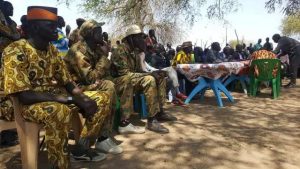
“We knew our biggest problems because we were living them every day,” he said. “When the opportunity came, the community sat together and identified the services we needed most.”
That community-driven approach has become a defining feature of the Enhancing Community Resilience and Local Governance Project Phase II (ECRP-II), a World Bank-funded initiative launched in 2022 to improve access to basic services while strengthening communities’ resilience to recurrent flooding.
Instead of imposing projects from outside, residents participated in preparing Boma Development Plans, identifying priorities ranging from flood protection dikes and roads to schools, health facilities and clean water.
For Pakur residents, the decisions reflected everyday realities.
Years of flooding had isolated villages, destroyed livelihoods and forced thousands of people into displacement. Parents worried about children learning under trees, while expectant mothers travelled long distances to seek medical care. Farmers struggled to transport produce to markets because roads had become impassable.
“We discussed everything together,” Char explained. “Education, roads, health facilities and water were among the priorities because these are the services our people lacked.”
The results are becoming increasingly visible.
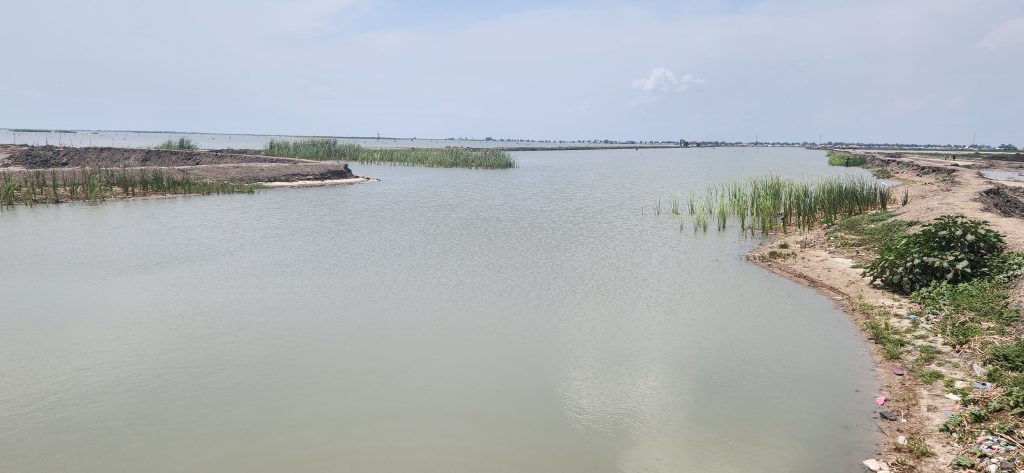
According to Riak Loang Wicyoak, chairperson of the Rubkona Payam Disaster Risk Management Committee, approximately 4,850 people have returned to Pakur and neighbouring communities after flood protection dikes reclaimed land that had remained underwater for years.
“The flooding destroyed our homes and livelihoods,” he said. “After the land was reclaimed, people started coming back because they could rebuild their lives.”
The return of families has also revived local schools.
Before Denjaak Primary School was constructed, many pupils attended classes under trees or in temporary structures that offered little protection from the weather.
Head teacher Mead Dak Mead said enrolment has grown dramatically—from fewer than 70 learners before the project to 786 today.
“The classrooms have encouraged parents to bring their children back to school,” he said. “Attendance has improved because children now have a better learning environment.”
Students say the changes have transformed their daily lives.
Mathiang Wadar Mead Gawar, a Senior Four student at Naam Secondary School, previously travelled long distances to attend school in Bentiu.
“Now I only walk about 30 minutes,” he said. “We have classrooms and desks, and learning is much easier.”
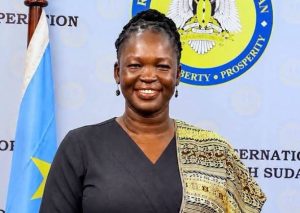
Bentiu Mayor Nyachieng Biey Tuet believes involving communities in identifying development priorities has strengthened ownership of completed projects.
“When communities participate in deciding what they need, they appreciate and protect those investments,” she said, adding that roads, schools, water points and health facilities are improving living conditions across flood-affected areas.
Despite the visible progress, residents acknowledge that recovery remains unfinished.
Large sections of land are still submerged, preventing more displaced families from returning home, while schools continue to face shortages of electricity, laboratories and teaching materials. Community leaders are also calling for further flood protection works and greater investment in agriculture to help families become self-reliant.
For Chief Char, the journey from displacement to recovery has demonstrated that rebuilding communities requires more than constructing infrastructure.
“When people are given a chance to decide their own priorities,” he said, “development responds to real needs. That is what gives our community confidence that we can build a better future together.”