Central Equatoria Warns Roaming Cattle Pose Security Threat, Vows Legal Action

By Kidega Livingstone
The Central Equatoria State Government has warned that the continued movement of cattle into farming communities poses a serious security threat and has vowed to enforce the law against cattle keepers who refuse to leave designated agricultural areas.
Speaking during a press conference on security issues in Juba on Tuesday, the State Minister of Information and Communication, Nyarsuk Patrick, said the overall security situation in Central Equatoria remains generally calm. However, he described the presence of roaming cattle in farming areas as one of the state’s most pressing security and humanitarian challenges.
Patrick said the State Security Committee had resolved to intensify efforts to remove cattle from agricultural communities, warning that anyone who fails to comply with government directives will face legal action.
“The Government of Central Equatoria State is investing significant resources to address the issue of roaming cattle. Anyone who refuses to return peacefully to their place of origin will be dealt with by law enforcement agencies. Those arrested will be taken to court for appropriate legal action. This is not a joking matter, and it serves as a warning to all cattle keepers in Central Equatoria State,” he said.
The minister said the continued presence of cattle in agricultural areas has contributed to intercommunal violence, destruction of crops, displacement of farming families, and loss of lives.
“This has been creating intercommunal violence. People have been losing their lives, and crops have been destroyed. We are not chasing anyone away, but we are determined to restore peace and stability in the state,” Patrick added.
He emphasized that the government recognizes cattle keepers, including members of the Mundari community, as citizens of Central Equatoria and South Sudan, but stressed that peaceful coexistence between pastoralists and farming communities must be safeguarded.
“The Mundari are part of Central Equatoria State, but as a government, we cannot allow the conflict between farmers and cattle keepers to continue because more lives will be lost,” he said.
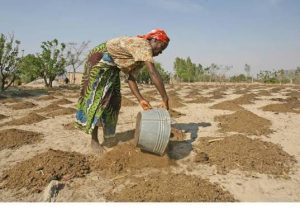
The migration of cattle into Central Equatoria’s farming areas has remained a longstanding source of tension. Local communities have repeatedly complained that large herds destroy crops, occupy residential areas, and contribute to insecurity, particularly during the planting and harvesting seasons.
Last year, representatives of cattle keepers urged the government to establish designated grazing areas and construct water dams to reduce seasonal migration and ease tensions with farming communities. They argued that inadequate water and pasture in their home areas force many pastoralists to move in search of grazing land.
The Central Equatoria State Government has on several occasions ordered the evacuation of cattle from farming areas, saying the measures are intended to protect agricultural production, prevent communal violence, and promote peaceful coexistence.
Authorities say security forces will continue implementing the government’s resolutions while encouraging dialogue and voluntary compliance to prevent further conflict.