UNESCO Trains Security Forces on Journalist Safety Ahead of South Sudan Elections
By Patricia John Kenyi
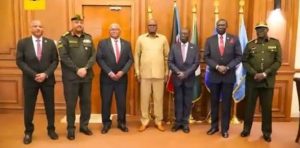
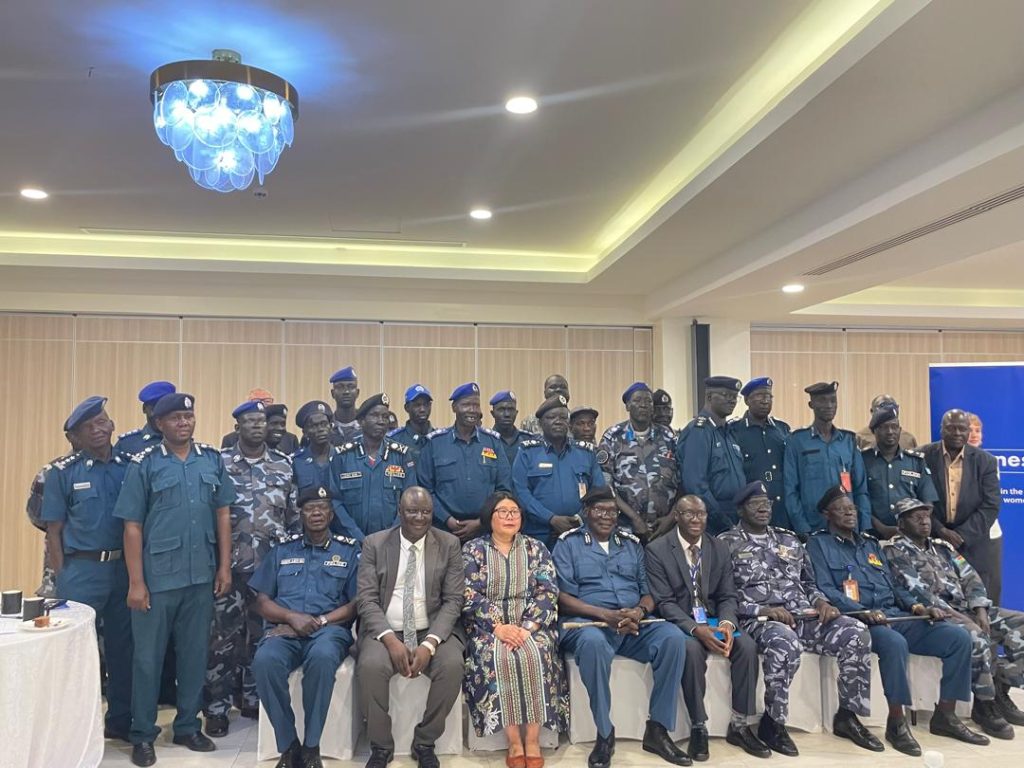
Security officers, journalists, and human rights advocates have gathered in Juba for a “Training of Trainers” workshop aimed at improving the safety of media professionals and strengthening freedom of expression ahead of South Sudan’s anticipated elections.
The workshop, organized by UNESCO, brings together law enforcement officials and media practitioners from across the country to bridge gaps and discuss collaborative strategies for creating a safer working environment for the press.
Police Leadership Urges Protection of the PressRepresenting the Inspector General of Police, Lt. General Edward Dimirty—Assistant IGP and Commissioner of Western Bahr El-Ghazal State—underscored the critical role security agencies play in protecting journalists as they carry out their duties.
“It is a great opportunity for me to stand here representing our head of police in this training program to empower our police force to render security to journalists,” Lt. Gen. Dimirty said. “Journalists are usually providing information, and that information needs to be secured.”
Dimitry emphasized that journalists can only perform their duties effectively when they feel safe and protected. He called on the attendees to take the training seriously and ensure the knowledge cascades down to colleagues nationwide.
“I am asking our colleagues who are here attending this training of trainers to pay attention to all the discussions so that they can benefit from it, take it back to our colleagues who did not attend this course, and help protect our journalists in South Sudan,” he added.
Fostering Trust at a Critical JunctureUNESCO Representative Yayoi Segi-Buchek explained that the curriculum is specifically designed to strengthen cooperation between law enforcement officers and media professionals while simultaneously promoting freedom of expression and maintaining public order.
“It is a training of trainers for law enforcement officers about safety for journalists, freedom of expression, and public order, while making connections on how best law enforcement officers and media professionals can work together in South Sudan,” Segi-Buchek said.
She noted that the training comes at a pivotal moment as the country prepares for general elections.
“South Sudan is at a critical juncture right now… All the more, the role of law enforcement officers and media professionals is critical,” she said.
Segi-Buchek also placed a special emphasis on the unique challenges faced by women in the media, highlighting the importance of supporting female journalists across the country.
“It is really critical that they build relationships, trust, and confidence, and work together on the ground in support of an informed citizenry in preparation for the elections and beyond,” she added.
A Unified UN Push for Civic SpaceMusa Yerro Gassama, Director of the Human Rights Division of the United Nations Mission in South Sudan (UNMISS) and Representative of the UN High Commissioner for Human Rights, described the workshop as a major step forward for press freedom.
“This is a great privilege for me to participate in this workshop organized by UNESCO… I think this is a very important step in enhancing the capacity of national security institutions to support journalists and enhance the space in which they operate,” Gassama said.
Gassama commended UNESCO for taking the lead in training security personnel and reaffirmed the commitment of the UN Human Rights Division to continue expanding civic and political space in South Sudan.
“The UNMISS Human Rights Division will continue to support and work with UNESCO in advancing civic and political space and ensuring that journalists are in a safe and secure environment as they do their work,” he concluded.
The training is expected to equip participants with the skills necessary to fundamentally improve cooperation between national security institutions and the media, ultimately fostering a safer environment for journalism and supporting informed public participation