University of Juba Opens Resource Centre, Expanding Hope for Students with Disabilities
By Kidega Livingstone
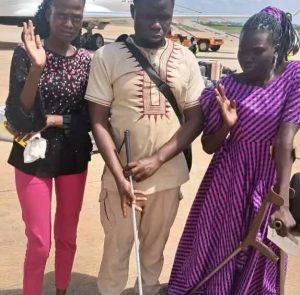
For many years, students with disabilities in South Sudan have struggled to access learning materials, supportive environments, and equal opportunities in education. But at the University of Juba, a new chapter is beginning one built on inclusion, dignity, and opportunity.
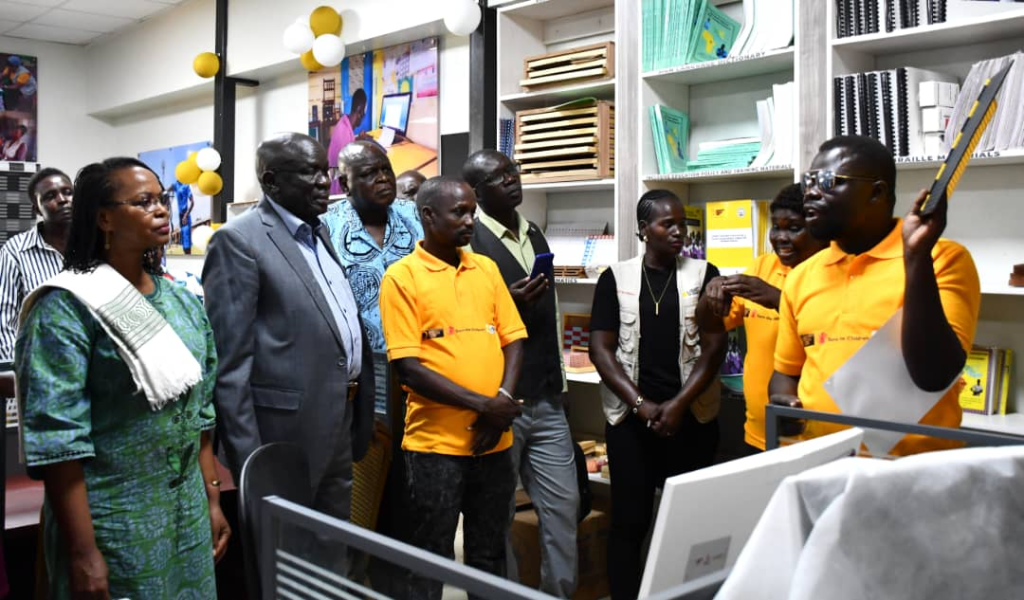
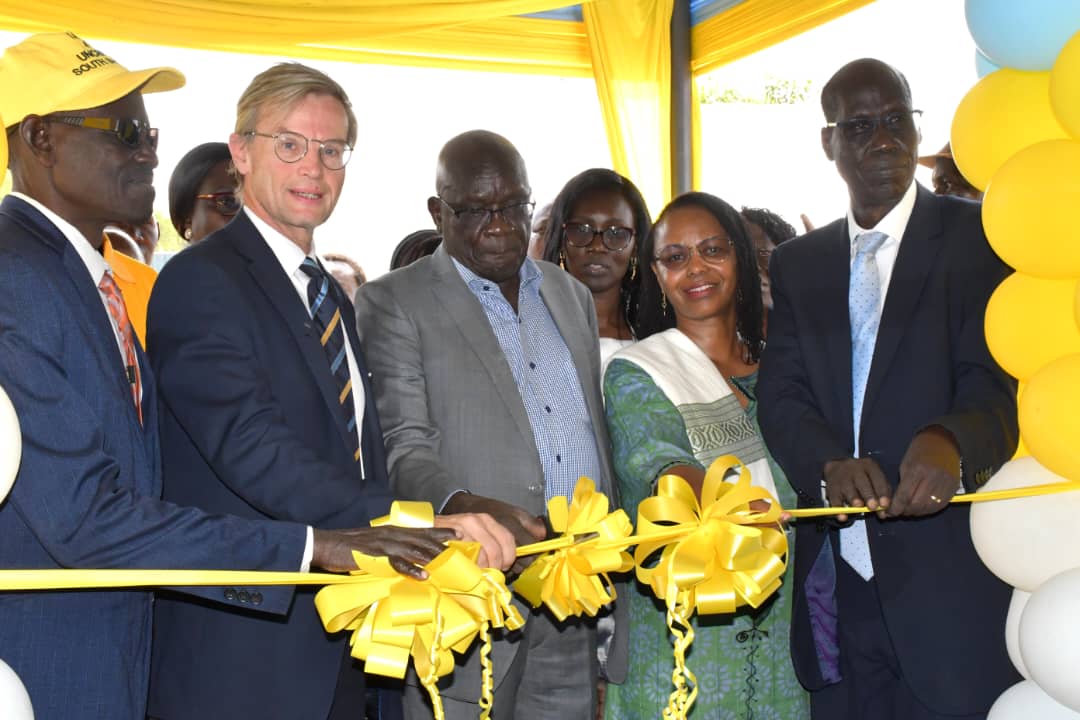
The University of Juba has officially launched a Resource Centre for students with disabilities, becoming the first university in South Sudan to establish a specialized facility designed to support learners with diverse needs.
The centre represents a significant milestone in the country’s efforts to promote inclusive education and ensure that no learner is left behind.
Turning Policy into Practice
Speaking during the launch, Lucy Nyaga, International Director of Programmes at Light for the World, described the initiative as a collective commitment between partners and the government to uphold the rights of persons with disabilities.
She said the centre reflects South Sudan’s obligations under the United Nations Convention on the Rights of Persons with Disabilities, which calls for inclusive education at all levels.
“This resource centre demonstrates that inclusion is not only policy on paper but action on the ground,” Nyaga said.
According to her, the facility provides a safe and supportive learning environment equipped with adapted materials designed to promote independence, dignity, and academic success among students with disabilities.
“As you have seen, the learning materials are tailored to provide dignity and support. Most importantly, they will motivate students with disabilities to pursue their academic ambitions with confidence,” she added. “Disability should not be a barrier to academic excellence, leadership, or living a fulfilled life.”
The initiative comes at a time when access to education remains a major challenge for persons with disabilities in South Sudan, where infrastructure limitations, lack of assistive devices, and insufficient learning materials continue to hinder participation in schools. Studies show that only a small percentage of children with disabilities are enrolled in formal education due to systemic barriers and limited resources.
Expanding Inclusive Education Nationwide
Nyaga revealed that Light for the World plans to expand similar resource centres across the country in 2026. Planned locations include Maridi National Teachers Training Institute, Rombo, and Mapel.
She said the expansion aims to strengthen inclusive education systems and build a new generation of teachers equipped to support diverse learners.
The organization also hopes the initiative will inspire the University of Juba to establish a Department of Inclusive Education, ensuring long-term leadership in research, teacher preparation, and disability inclusion.
“Let this launch be remembered not only as the opening of a building but as the opening of opportunity,” Nyaga said. “Together, we are building a more inclusive South Sudan where every learner has the right to support and the opportunity to succeed.”
Light for the World has been working in South Sudan since 2007, partnering with government institutions to promote disability inclusion through education, economic empowerment, and humanitarian programmes.
Changing the Narrative
Achulube John, Programme Manager at Light for the World’s South Sudan office, described the centre as a declaration that society believes in the potential of every individual.
“For too long, millions of people with disabilities have faced persistent barriers to education, employment, and social life,” he said. “This centre is designed to change that narrative. It is one step toward independent living.”
He added that the facility recognizes diversity in how people move, think, and communicate while ensuring equal participation in higher education.
Government Welcomes Initiative
Undersecretary at the Ministry of General Education and Instruction, Omot Okony Olok, praised the initiative as a historic moment for the country.
“This is the first time in South Sudan to launch such a programme at university level,” he said. “For a long time, persons with disabilities suffered discrimination because they were not given opportunities to excel.”
He emphasized that inclusive education aligns with the Sustainable Development Goals (SDGs), which call for equitable quality education and lifelong learning opportunities for all.
“Inclusive education is essential. Without it, we cannot talk about education for all, because disability is not inability,” Olok said.
The ministry, he noted, has faced challenges in providing adapted learning materials, but partnerships with organizations like Light for the World have helped improve curriculum translation and accessibility.
Scholastic materials introduced through inclusive education programmes include Braille texts, audiobooks, large-print materials, and digital learning tools that enable students with disabilities to access the curriculum effectively.
According to the ministry, about 5,000 learners with disabilities are currently enrolled in schools across South Sudan, though many still lack adequate learning resources.
Olok also urged parents to send children with disabilities to school instead of keeping them at home due to stigma or misconceptions.
“We still have many children with disabilities in villages who are not attending school,” he said. “They can learn like any other child if given the opportunity.”
A Step Toward Inclusion
The establishment of the Resource Centre signals growing recognition that inclusive education is key to national development and social equality. Across South Sudan, partners and government institutions are increasingly investing in programmes that ensure learners with disabilities are integrated into mainstream education systems.
For students at the University of Juba, the centre is more than a facility it is a symbol of belonging and possibility.
As the doors open, so too does a future where disability is no longer seen as limitation, but as part of a diverse and inclusive academic community.