South Sudan Faces Severe Food and Nutrition Crisis — UN Warns
By Kidega Livingstone
The United Nations has warned that South Sudan continues to face a severe food and nutrition
crisis that could worsen unless urgent humanitarian action is taken.
The warning follows the release of the latest Integrated Food Security Phase Classification (IPC)
report, which projects that about 7.56 million people more than half of the country’s
population will experience crisis or worse levels of hunger during the 2026 lean season (April to
July).
According to the joint statement issued by the Food and Agriculture Organization (FAO),
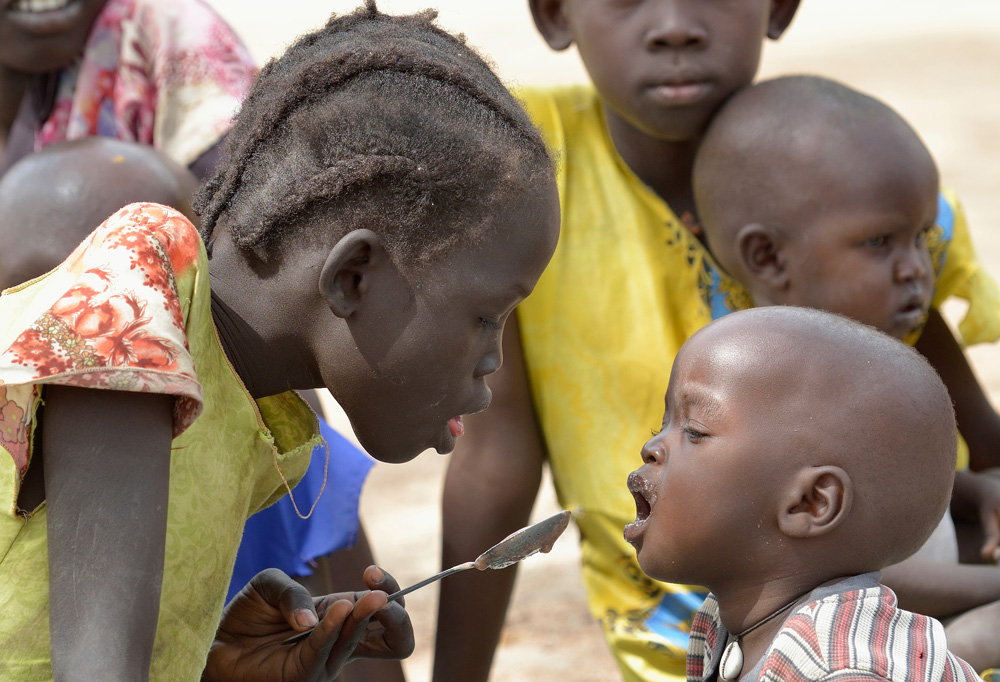
UNICEF, and the World Food Programme (WFP), more than two million children are expected
to suffer from acute malnutrition during the same period.
The report indicates that food insecurity is both widespread and deepening across South Sudan.
Of particular concern are about 28,000 people in Luakpiny/Nasir and Fangak counties who are
already facing Catastrophic (IPC Phase 5) levels of hunger. The southern parts of Luakpiny/Nasir
County are at risk of famine in a worst-case scenario if conflict and access restrictions persist
amid flooding and disease outbreaks.
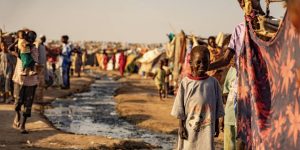
UN agencies said the high levels of hunger are being driven by multiple, overlapping factors —
including conflict, displacement, economic crisis, limited humanitarian access, and climate
shocks. They noted that areas that have enjoyed relative peace have seen slight improvements
in food security.
FAO Representative in South Sudan, Meshack Malo, said the worsening hunger situation is
linked to disrupted agricultural seasons and weakened agri-food systems.
“The hunger we are witnessing in South Sudan partly stems from disrupted agricultural seasons
and agri-food systems that are not sufficient to meet the country’s food needs,” Malo said.
“Achieving lasting peace and revitalizing agri-food systems are essential to ending hunger.
When fields are cultivated and markets are restored, families will reclaim their dignity.”
Malo also stressed that humanitarian access remains one of the country’s biggest challenges, as
insecurity, looting, poor roads, and flooding have isolated entire communities for months,
preventing life-saving aid from reaching those in need.
WFP’s Country Director, Mary-Ellen McGroarty, described the situation as “an alarming
trajectory.”
“The persistent high levels of hunger are deeply troubling,” she said. “In counties where peace
has held and humanitarian actors have consistent access and resources, people have begun
taking the first steps toward recovery. Sustaining this progress is crucial to ensuring lasting
positive change across all affected communities.”
UNICEF Country Representative, Noala Skinner, also voiced concern over the situation of young
children suffering from severe malnutrition.
“This analysis paints a very worrying picture, with persistently high levels of severe malnutrition
among the youngest children,” Skinner said. “These children are not to blame for the factors
that have caused displacement and the closure of nutrition sites. Safe access and continuity of
life-saving health and nutrition services are critical and urgent.”
The UN agencies warned that the window for action is closing fast, urging the international
community and the government to act swiftly to prevent a deeper humanitarian catastrophe.
An unprecedented six counties are projected to reach critical levels of acute malnutrition in
2026, primarily due to conflict-driven displacement, limited access to food, water, and health
services, and the ongoing cholera outbreak. By June 2026, an estimated 2.1 million children
under five and 1.1 million mothers are expected to face acute malnutrition.