Inter-bank Payment System to Boost Financial Services — Dr. Addis Ababa
By Kidega Livingstone
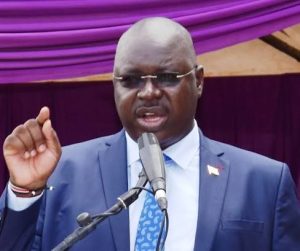
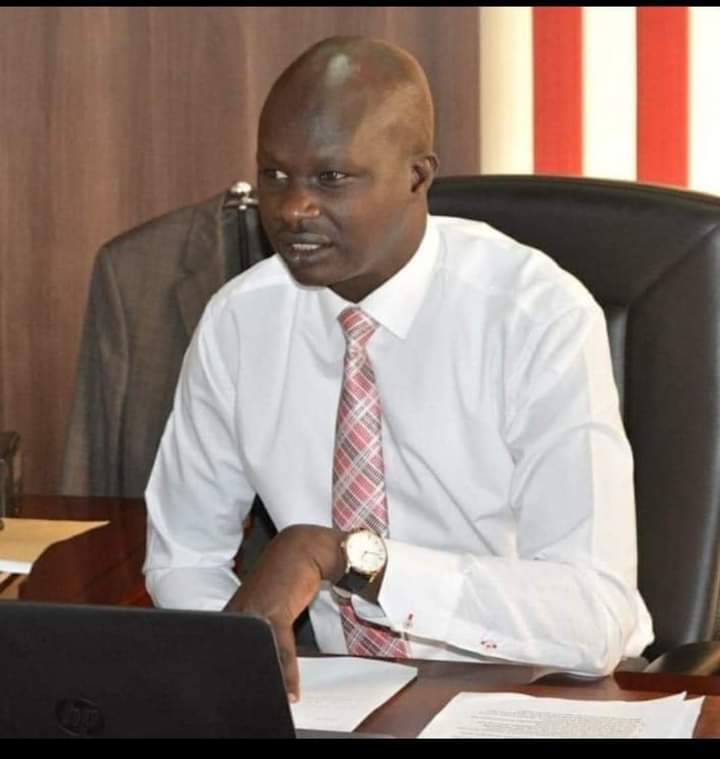
The Governor of the Bank of South Sudan, Dr. Addis Ababa Othow, says the newly launched Inter-bank Payment System and Central Securities Depository will enhance financial services by making them faster, safer, more affordable, and accessible to all South Sudanese.
Speaking during the launch of the system on Friday, Dr. Addis said the country’s economy has long been constrained by overreliance on cash transactions, which have limited efficiency, transparency, and financial inclusion.
“For years, people have heavily depended on cash payments, slowing down trade and commerce while increasing the cost of doing business in South Sudan,” Dr. Addis noted.
He explained that cash-based transactions have left millions of citizens outside the formal financial system, especially in rural areas, and exposed them to risks and high transaction costs.
“We all love seeing physical cash, but it comes with many risks and has left large parts of our people financially excluded. This has reduced business efficiency and undermined service delivery,” he added.
Dr. Addis emphasized that the National Payment System is a strategic response to these challenges, laying the foundation for a modern digital financial infrastructure that will drive economic growth and inclusion.
“The system we launched today is the engine of a modern economy. It will enable real-time payments and fund transfers between individuals and businesses 24 hours a day, seven days a week. This means you can now make instant payments within the financial system across all banks,” he said.
Meanwhile, Minister of Cabinet Affairs Dr. Martin Elia Lomuro said President Salva Kiir Mayardit is fully briefed and personally interested in the system’s establishment and its impact on the country’s financial sector.
“I believe private banks in this country have not been well regulated, and a lot of money has left the country. From today, with this system, we expect banks to comply fully with the laws and regulations of South Sudan,” Dr. Lomuro stated.
He added that President Kiir’s vision goes beyond political independence. “He also wants economic independence — an economy that supports and develops its citizens,” he said