Over 2 million children out of school in South Sudan due to insecurity
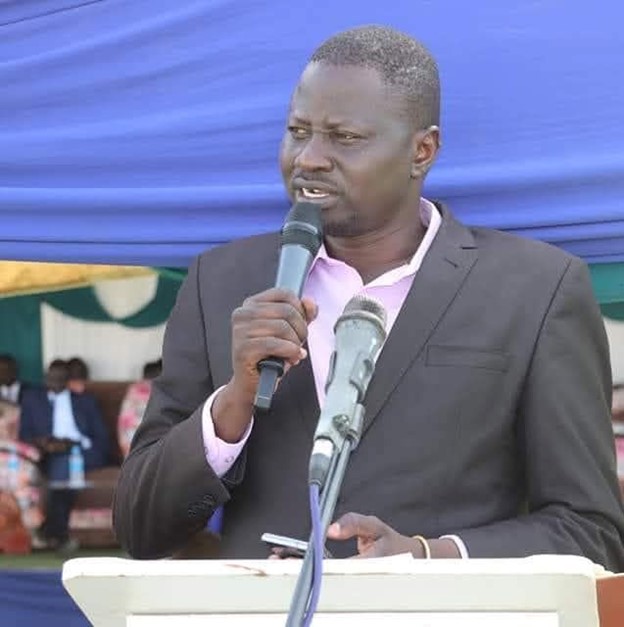
Undersecretary at General Education and Instruction, Kachuol Mabil Piok
By Kidega Livingstone
At least 2.8 million children, representing over half of the school-age population, remain out of school in South Sudan, according to the Ministry of General Education and Instruction.
Undersecretary Kachuol Mabil Piok highlighted that insecurity, flooding, and cultural barriers continue to impede educational access across the country. “Insecurity, flooding, and cultural norms pose significant challenges to improving literacy, as many children are unable to attend school due to these factors,” he said while marking International Literacy Day in South Sudan.
A 2024 USAID press release further underscored the urgency of the situation: about 70% of adults cannot read or write, with illiteracy among girls over age 15 reaching approximately 84% .
Mabil also noted progress: literacy has increased from around 30% before independence to 40% this year. “Literacy is more than reading and writing—we are prioritizing teacher training to reinforce foundational literacy. At the same time, we are exploring digital learning and technology, because digital literacy is the future,” he added.
He explained the government’s multi-pronged strategy: building schools, training teachers, introducing a national curriculum, and declaring free and compulsory education to expand access.
Recent data (2024–2025) places the adult literacy rate at approximately 34–35%, indicating that around 65–70% of adults remain illiterate. The illiteracy rate among women aged 15 and older is particularly high—about 84%. While this reflects modest progress from the 27% literacy rate at independence, it underscores the continued and urgent need for investment in education and literacy programs.