





























UNMISS Urges Dialogue as Violence Flares in Eastern Equatoria
By Kidega Livingstone
The United Nations Mission in South Sudan (UNMISS) has called on all parties to cease hostilities immediately and return to the negotiating table amid renewed fighting in Eastern Equatoria State. The appeal follows reports of escalating tension and armed clashes in the region.
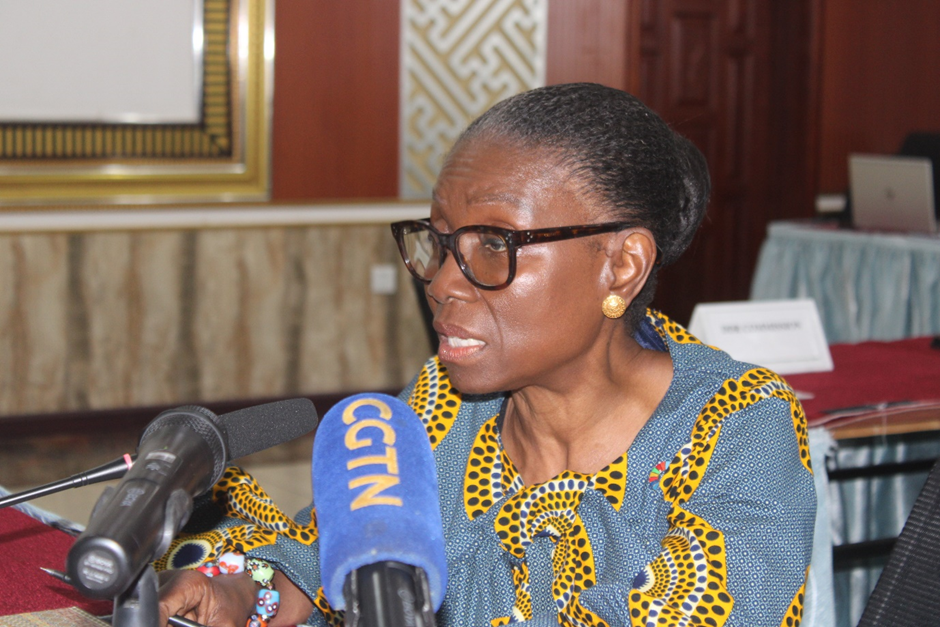
Anita Kiki Gbeho, Officer-in-Charge of UNMISS, said in a press statement obtained by Juba Echo that violence must stop and that humanitarian partners should be allowed unfettered access to those affected.
“These escalations must stop immediately. We call on all parties to pull back, engage in dialogue and allow humanitarian partners unhindered access to those in need.”
Gbeho further urged local authorities to uphold their responsibility to protect civilians and respond to community needs. Her plea is particularly urgent as UNMISS was forced to close its field office in Torit due to broader UN financial constraints.
According to UNMISS, recent violence in Eastern Equatoria reflects broader instability, following intercommunal clashes, cattle raids, and reports of aerial bombardment in other states. The Mission has since strengthened patrols in hotspot areas and is working closely with local authorities and communities to de-escalate tensions.
UNMISS also warned that the fighting directly violates the terms of the Revitalized Peace Agreement.
In a separate but related development, Governor Louis Lobong of Eastern Equatoria State issued a statement from his office in Torit assuring citizens that government control remains firm in both Torit and Magwi.
He said business is going on normally and that security forces are actively pursuing criminal elements believed to be behind the unrest.
“These groups are now disorganized, scattered, and on the run in the bushes,” he said, adding that operations will continue until full stability is restored.
Governor Lobong also noted that national examinations began as scheduled across all counties a signal, he argued, that life continues despite the online claims of insecurity