














UN Presses NTC on Progress of Security Arrangements
By Kidega Livingstone
The United Nations Mission in South Sudan (UNMISS) has formally pressed the National Transitional Committee (NTC) for a clear account of its progress in implementing Chapter Two of the Revitalised Peace Agreement. The request follows serious delays in deploying the Necessary Unified Forces (NUF), a cornerstone of the peace deal intended to secure national stability.
Out of the target 83,000 unified forces, only a fraction from the first phase has so far been deployed. UNMISS officials say this shortfall is undermining confidence in the peace roadmap.
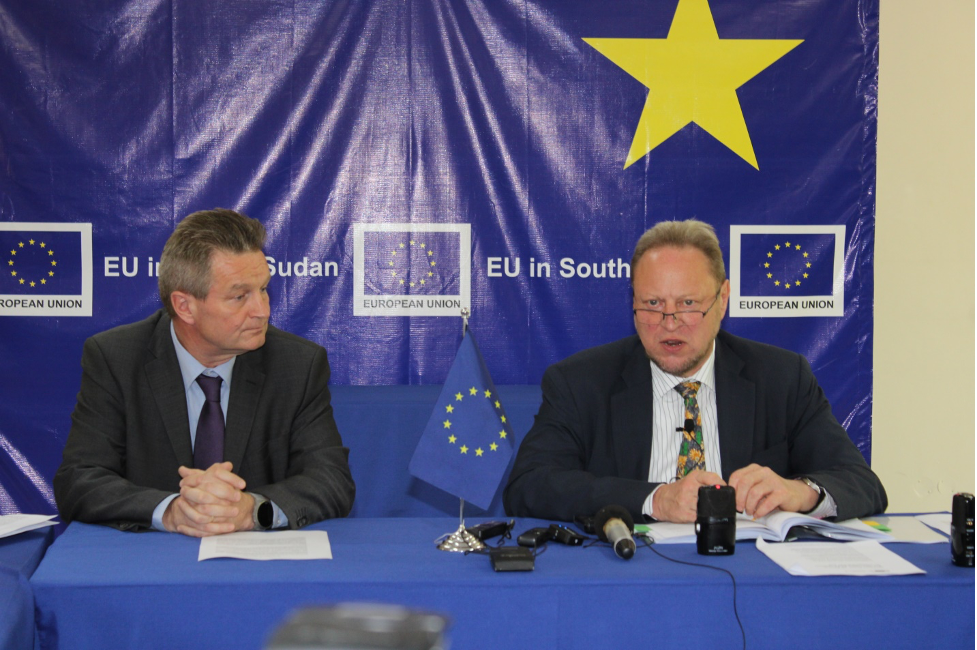
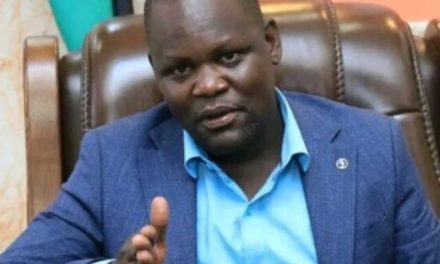
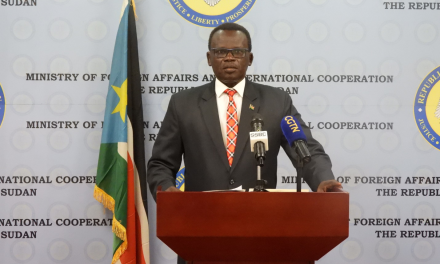
During a Friday appearance on national television (SSBC), Deputy Special Representative of the UN Secretary-General, Graham Mailand, said that UN officials have requested a detailed update from the NTC on the second phase of the security arrangement, as spelled out in the agreement.
“We had some views on how we can help as UNMISS to address challenges and opportunities in implementing Chapter Two,” Mailand said. “We received a thorough briefing from Kuol Manyang about the obstacles they face.”
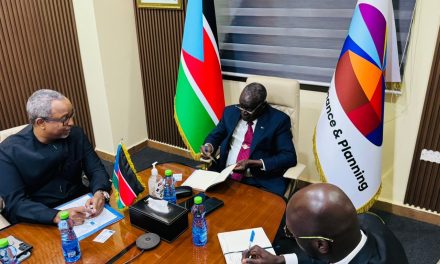
In response, NTC Chairperson Kuol Manyang Juuk emphasized that the meeting was intended to reassure UN officials that the committee is preparing to launch the next phase of training for the unified forces pending resource availability.
“I briefed him on the progress of the peace agreement. We in the NTC explained our efforts toward implementation, and I assured him that we are committed to working together to bring peace to South Sudan,” he said.
The NTC has previously cited funding and resource constraints as the chief impediment preventing the commencement of the second phase of training.
Meanwhile, reports from UN and independent peace-monitoring bodies note that recent political upheavals including the house arrest and charges against First Vice President Riek Machar in late 2025 have stoked fears that the peace agreement may collapse. These observers have repeatedly flagged the stagnation in implementing Chapter Two as a major concern.
They warn that ongoing militarization, fragmentation within command structures, and continued subnational violence are eroding ceasefire norms and undermining the peace process.
Monitoring bodies like CTSAMVM have continued to urge parties to adhere to the Chapter Two provisions and are actively seeking funding for future operations.
On 8 October 2025, Deputy President David Mabuza (also referred to as Mashatile) of South Africa visited Juba to review progress on the accord, according to media reports. Peace monitors say that the slow implementation of Chapter Two and the apparent lack of political will have fueled insecurity, political instability, and further distrust among the parties.