U.S. Tightens Ebola Travel Screening for Travelers From South Sudan, Uganda and DRC
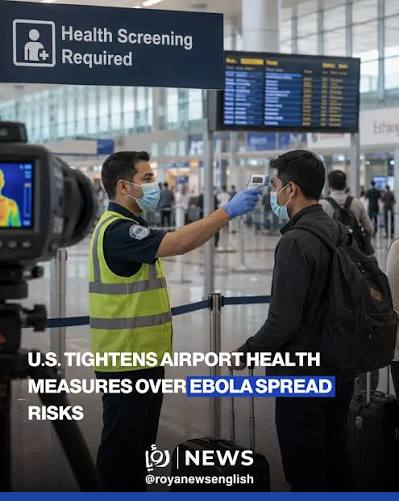
The United States has tightened temporary travel measures for people arriving from South Sudan, Uganda and the Democratic Republic of the Congo amid an ongoing Ebola outbreak in the region.
The U.S. Centers for Disease Control and Prevention said Aug. 7 that travelers who have been in the Democratic Republic of the Congo within 21 days before traveling to the United States will not be allowed to board commercial flights bound for the country.
The restriction applies to U.S. citizens and nationals as well as other travelers, including those who only transited through an airport in the Democratic Republic of the Congo, whether or not they left the aircraft.
Travelers who have been in the Democratic Republic of the Congo are advised to remain outside the United States until at least 21 days have passed since they left the country. Those who have been in Ebola-affected provinces may also face additional travel requirements imposed by local authorities.
The measures differ for travelers arriving from South Sudan and Uganda.
U.S. citizens and nationals who have been in South Sudan or Uganda, but not the Democratic Republic of the Congo, within the previous 21 days will be allowed to travel to the United States. However, their flights will be routed through designated U.S. airports for enhanced public health screening.
The screening applies even when South Sudan or Uganda was only a transit point during a connecting flight.
Designated airports include Washington Dulles International Airport, Hartsfield-Jackson Atlanta International Airport, George Bush Intercontinental Airport in Houston and John F. Kennedy International Airport in New York.
At the airports, travelers will complete a health and travel history questionnaire, have their temperature checked and be monitored for signs of illness by CDC personnel.
Travelers may also be enrolled in automated text-message monitoring for 21 days after leaving the affected country. Some may receive additional public health assessments based on where they traveled and the activities they participated in while there.
Those without symptoms will generally be allowed to continue to their final destinations after screening.
Anyone who develops symptoms consistent with Ebola, including a fever of 100.4 degrees Fahrenheit (38 degrees Celsius) or higher, headache, body aches, weakness, sore throat, diarrhea, vomiting, stomach pain, rash or unexplained bleeding or bruising, should immediately separate themselves from others and contact health authorities.
The CDC advises travelers not to travel while sick. People who develop symptoms should inform health officials about their recent travel history so appropriate medical care and infection-control measures can be arranged.
The agency recommends that travelers monitor their health for 21 days after leaving the Democratic Republic of the Congo, South Sudan or Uganda.
The latest measures build on a July 13 U.S. order that continued temporary entry restrictions for certain travelers who had recently been in the Democratic Republic of the Congo, Uganda or South Sudan.
The CDC said the measures are intended to reduce the risk of Ebola being imported into the United States while allowing public health authorities to identify and respond quickly to potential cases.