


















Timor-Leste’s Youth Carry On the Legacy of Peace-Spreading Peace Education with HWPL
After a period of conflict, Timor-Leste gained independence and joined the international community as
a sovereign nation in May 2002. The decision by its people to pursue reconciliation over continued
violence marked a notable example of peaceful transition. While the country moved into a phase of
stability, the effects of its past remain present among those who experienced it.
In recent years, as peace becomes more established, opportunities to reflect on its significance have
become less frequent. In response, many young people in Timor-Leste are engaging in efforts to
better understand the meaning of peace and contribute to shaping the future of their society.
Among the youth of Timor-Leste, awareness of their historical experiences is growing, along with a
noble legacy passed down from previous generations. As custodians of these memories, many young
individuals are beginning to take part in shaping the nation’s peaceful development.
Efforts to establish a framework for peace governance increasingly emphasize the importance of
education and engagement among youth. In Timor-Leste, peace education initiatives—facilitated by
schools and community organizations—are enabling youth to examine the concept of peace and
participate in efforts aimed at fostering a more stable and cooperative society. To support and expand
these initiatives, the international peace NGO Heavenly Culture, World Peace, Restoration of Light
(HWPL) has been working in collaboration with local communities.
HWPL’s approach to peace education seeks to connect the idea of peace with practical actions and
social responsibility. Its programs encourage participants to define peace in ways that are relevant to
their context and to apply these understandings in everyday life. This process serves as a foundation
for broader participation in future peace-related governance.
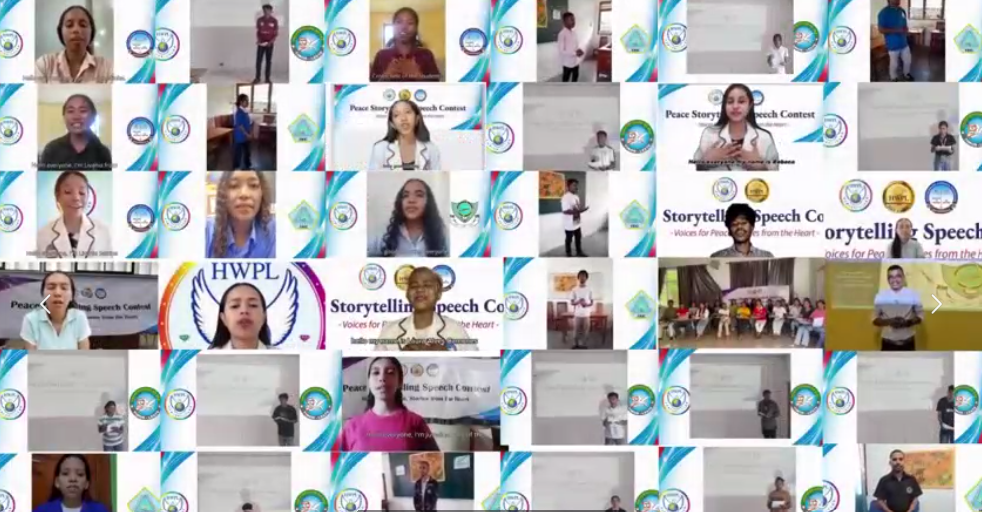
HWPL Peace School Speech Contest
In a recent HWPL Peace School speech contest, students reflected on themes such as “gratitude,”
“forgiveness,” “harmony and cooperation,” and “greed versus love.” Drawing from their own
experiences, they expressed their thoughts on peace through public speeches. The contest provided
an opportunity for students to develop self-awareness and empathy for others—while finding their
own voice to speak about peace.
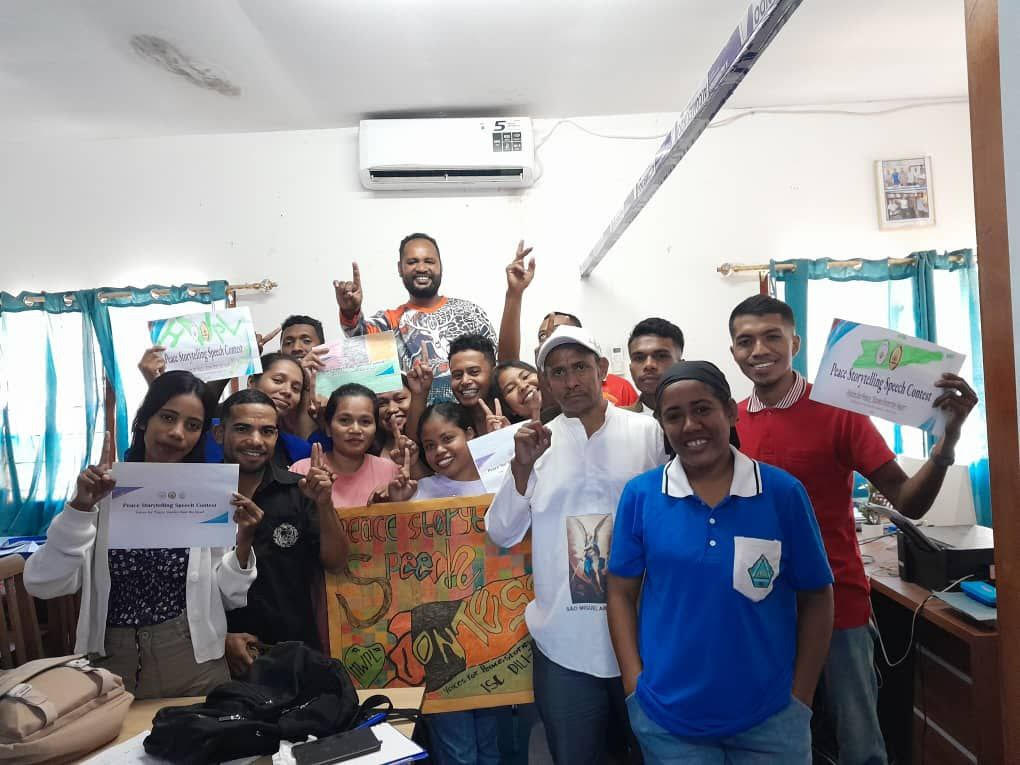
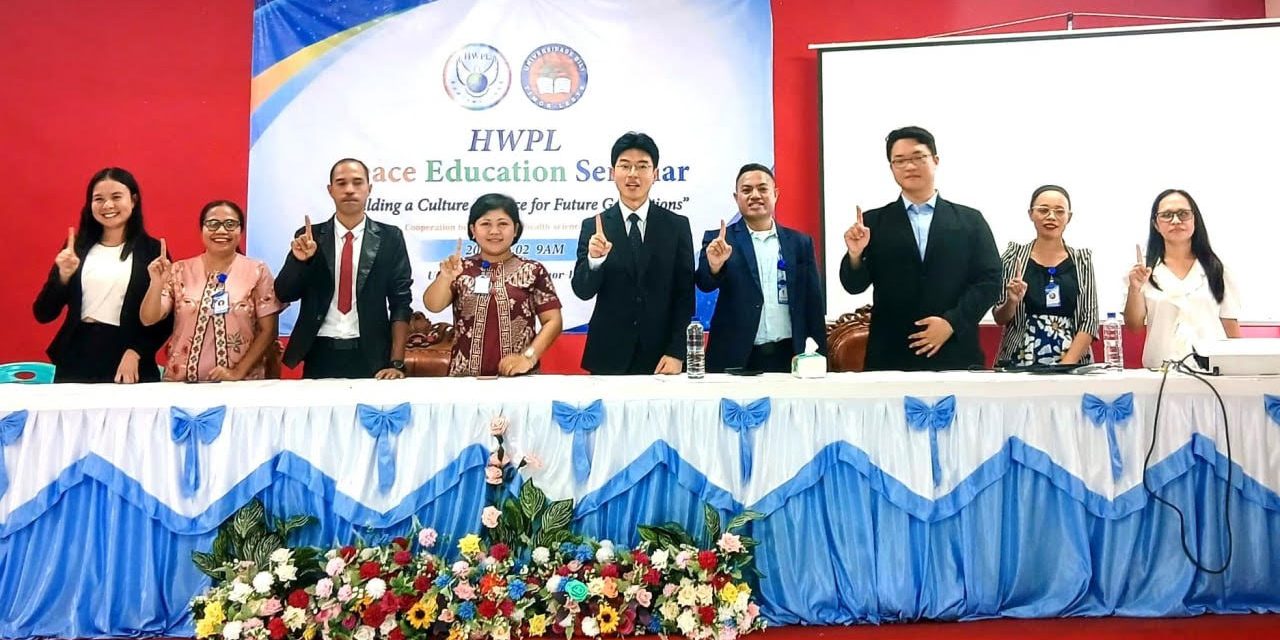
HWPL Peace Seminar
At the university level, seminars were held focusing on HWPL’s 10-lesson peace education
curriculum. Participants explored how to inherit and practice the legacy of peace passed down by
previous generations. These discussions encouraged students to approach peace not as an abstract
concept, but as a principle with relevance for current and future societies. The seminars also
functioned as a forum where young participants could articulate their own views on what peace
means in today’s context.
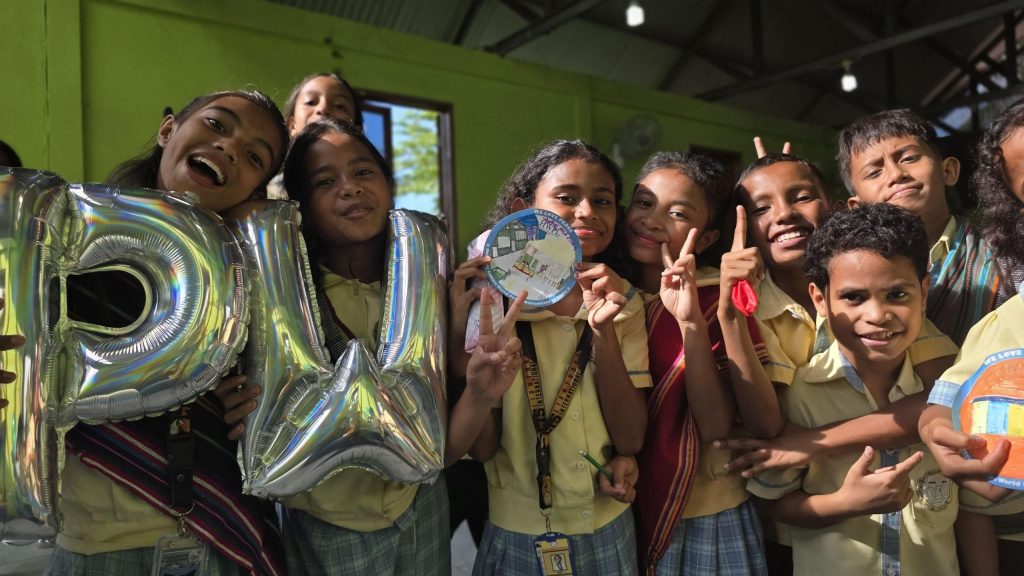
Peace Camp at Lighthouse International School
At Lighthouse International School, students took part in a peace camp where they explored what
they could do to create a happier school environment. Through cooperative activities, they came to
understand the meaning of peace firsthand. The children’s choir also presented songs centered on
peace, delivering hopeful messages to the audience.
These initiatives extend beyond simply “teaching” peace to young people. By participating in peace-
related programs, youth engage in reflection, dialogue, and exploring ways to put peace into practice.
Through this process, they are gradually shaping their identity as peace-conscious citizens.
HWPL, in partnership with the Timor-Leste government, is working to establish a nationwide model for
peace education. Various programs are being implemented in schools and local communities across
the country. This initiative is not just an educational project – it is a foundational effort to support youth
in embracing peace as a part of daily life and an active role in building a more hopeful future.
The peace that today’s youth are learning is set to become the foundation that sustains tomorrow’s
communities. As they grow to lead their villages, cities, and nation, peace in Timor-Leste will evolve
from an abstract ideal into a principle embedded within the country’s institutions and culture.