














Thousands of Refugees Stranded at the South Sudan–Kenya Border
By Kidega Livingstone
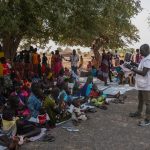
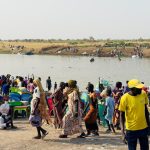
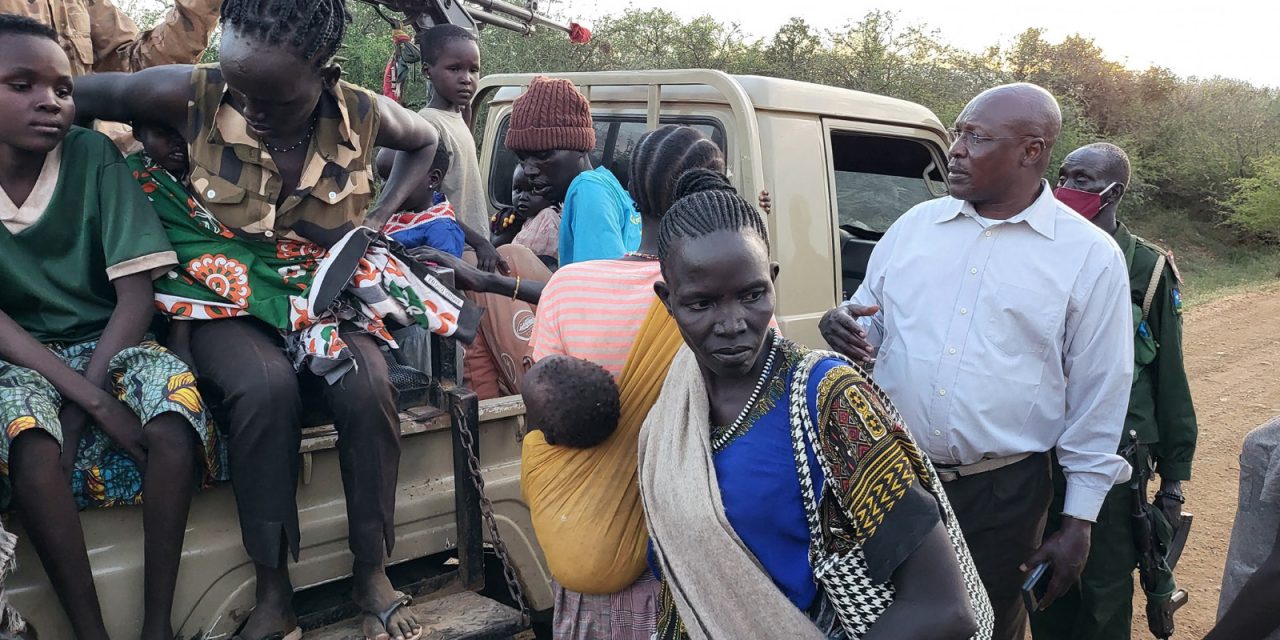
Thousands of South Sudanese refugees remain stranded in Lokichoggio, a village on the Kenya–South Sudan border. They gathered here following the voluntary return of refugees from Kakuma refugee camp in Kenya.
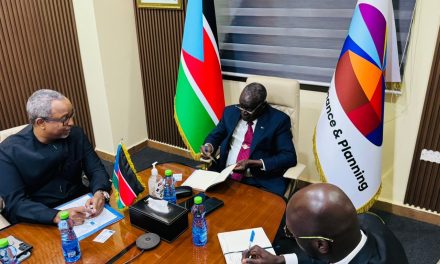
On Wednesday, Eastern Equatoria State Governor Louis Lobong Lojore arranged transportation for over twenty-two families, moving them from Lokichoggio toward South Sudan, according to a report from his office seen by Juba Echo on Thursday.
Governor Lobong released several vehicles from his convoy to carry the refugees safely to Kapoeta Town. He then continued with only one vehicle.
Since June 2025, more than 9,300 South Sudanese refugees have returned from Kakuma and Kalobeyei in Kenya, with daily arrivals exceeding 220 at the height of returns in August. These movements followed cuts to food rations under the World Food Programme’s targeting system, which left nearly 45% of the South Sudanese population in Kakuma/Kalobeyei (approximately 85,000 individuals) without assistance. The cuts led to protests and increased engagement from community members in the camps.
The refugee population is heavily weighted toward children—roughly two‐thirds are minors—and most households number six or more members. Larger families are struggling more, particularly with transport costs and daily food needs. There are still many reports of family separation and unaccompanied children.
Moreover, journeys onward from the border are perilous. Refugees face risks of ambushes and extortion on roads crossing from Nakapal into Eastern Equatoria, en route to areas such as Kapoeta, Torit, Budi, and Ikotos.
At the border, conditions are dire: there are no proper reception facilities; access to water is limited; open defecation is widespread; the nearest health centre is non‐functional; and many are exposed to risks including gender‐based violence, theft, and disease.