South Sudan Remains Ebola-Free as Health Authorities Intensify Disease Surveillance
By Sasuk Taban
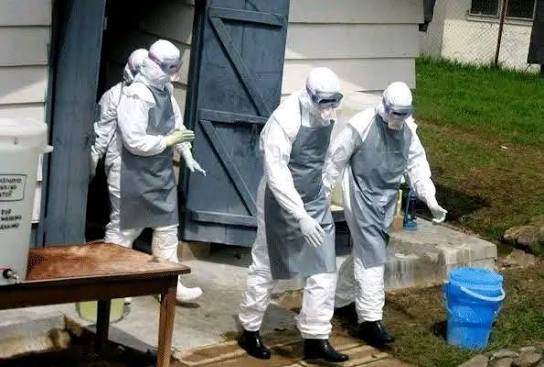
South Sudan has remained free of Ebola despite the escalating outbreak in the Democratic Republic of the Congo (DRC), with health authorities significantly strengthening surveillance and preparedness measures to prevent the disease from crossing its borders.
The Ministry of Health’s Weekly Situation Update for Week 28 (6–12 July 2026) says the country remains on high alert due to the continued regional threat, although no confirmed Ebola or Bundibugyo virus disease (BVD) cases have been recorded. Meanwhile, neighbouring DRC has reported 1,963 confirmed Ebola cases and 719 deaths, while Uganda has confirmed 21 cases and three deaths.
To enhance early detection, South Sudan screened 552,071 travellers at points of entry by July 9, an increase of more than 157,000 people within a week. Two suspected Ebola alerts reported in Yambio and Tambura counties were investigated and later ruled out after laboratory tests confirmed they were not Ebola cases.
The report says a National Master Training of Trainers programme has produced 90 trainers who will lead Ebola preparedness activities across the country. Additional response measures include establishing holding areas at border points and health facilities, conducting simulation exercises, improving infection prevention and control, and strengthening coordination with partners, including UNICEF, World Vision, CMMB and the International Medical Corps.
While Ebola preparedness continues, South Sudan’s cholera outbreak showed encouraging signs of improvement. The country recorded 347 new cholera cases during the reporting week, representing a 23.7 percent decline compared to the previous week. Since the outbreak began, 108,529 cases and 1,714 deaths have been reported, with active transmission now largely concentrated in Unity State, particularly Rubkona and Mayom counties. An oral cholera vaccination mop-up campaign is planned for Rubkona, Mayom and Leer.
The report also confirmed the detection of a new circulating vaccine-derived poliovirus type 1 (cVDPV1) environmental isolate in Juba, bringing the total number of confirmed cVDPV1 cases this year to six. Despite this, the recent supplementary immunization campaign achieved 92 percent coverage, with another vaccination round scheduled for late August.
Meanwhile, Mpox transmission remains active, with two confirmed active cases and 128 cumulative confirmed infections reported since February 2025. No new measles or rubella cases were recorded during the week, while Guinea Worm Disease remained at zero human and animal cases throughout 2026. Malaria cases also declined by 17.3 percent compared to the same period last year.
The health update also highlighted persistent challenges in Akobo County, where non-functional vaccine cold chain systems, shortages of surveillance tools and limited access to safe drinking water continue to affect health service delivery. Health authorities say efforts are ongoing to strengthen nutrition, laboratory and curative services while addressing these critical gaps.
Health authorities urged continued vigilance, emphasizing that sustained surveillance, rapid response, vaccination campaigns and strong community engagement remain essential to preventing disease outbreaks and protecting public health across South Sudan.