












Peace monitors call for concerted efforts to rescue South Sudan peace process
By Denis Ejulu
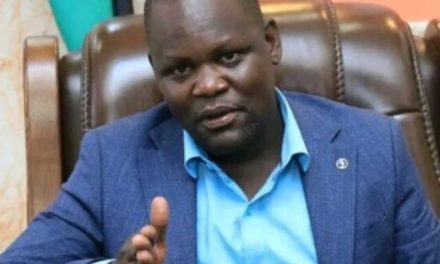
The Reconstituted Joint Monitoring and Evaluation Mechanism (RJMEC) on Tuesday called on parties to the 2018 revitalized peace agreement to pull together in order to resuscitate the fragile peace process amid growing tension due to the ongoing trial of several opposition leaders.
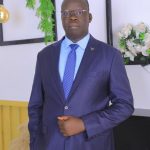
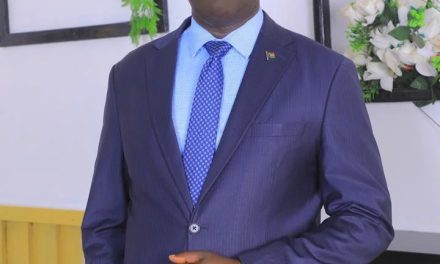
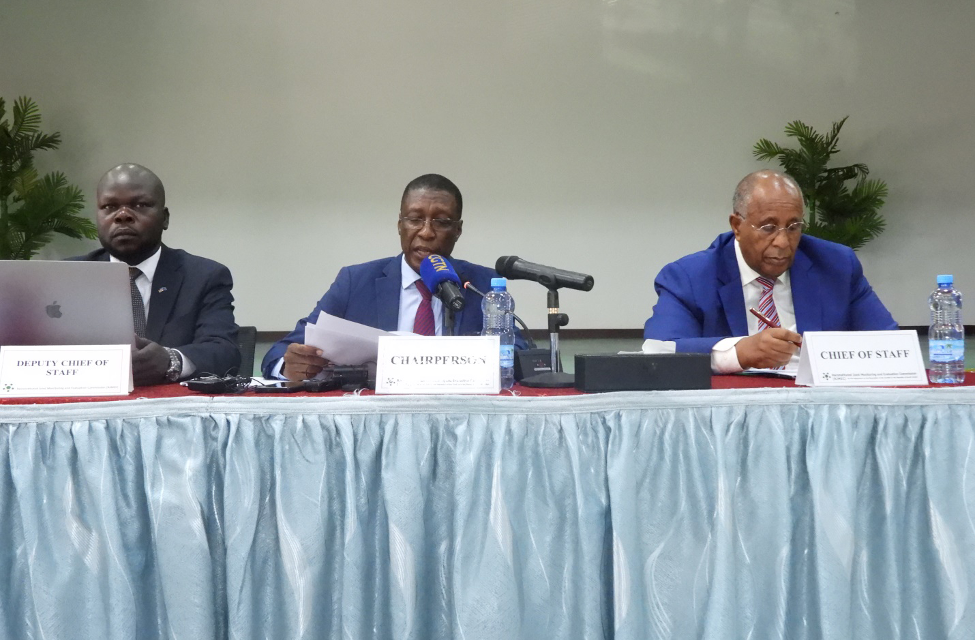
George Aggrey Owinow, chairperson of RJMEC said that the tensions which were sparked following the attack in March by the White Army militia on the base of the South Sudan People’s Defense Forces (SSPDF) in Nasir, Upper Nile State have since undermined trust and confidence in the peace process.
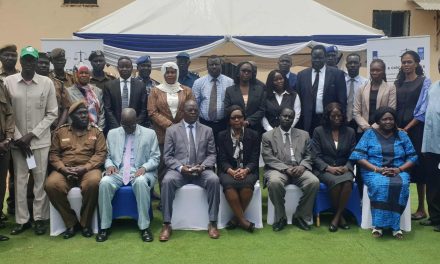
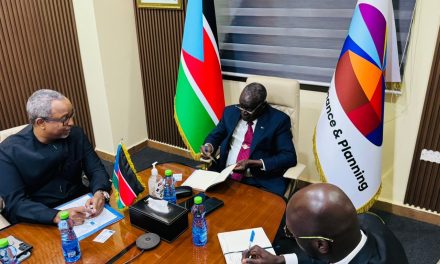
“The systematic violations of the R-ARCSS have called into serious question the commitment of the parties to the Revitalized Agreement on the Resolution of Conflict in South Sudan (R-ARCSS) in letter and spirit. It has equally thrown spotlight on the role of the national, regional and international guarantors and peace partners,” Owinow said during a meeting of members of the peace monitoring body in Juba, the capital of South Sudan.
He noted that the revitalized peace agreement is currently facing it’s greatest challenge since it was signed in September 2018, warning that if not urgently addressed there is high risk of reversal of all the gains which have been so far achieved.
Owinow disclosed that RJMEC has already urged the regional and international guarantors to urgently apply the diplomatic influence to resolve the political and security deadlock between the parties.
This comes amid the ongoing trial of South Sudan’s suspended First Vice President Riek Machar and seven co-accused members of his party Sudan People’s Liberation Movement/Army-in opposition (SPLM/A-IO).
Machar and his co-accused are facing charges of treason, murder, and crimes against humanity following an attack by the White Army on the SSPDF base in Nasir, which left more than 250 soldiers including a general killed.
Owinow emphasized that the continuous mistrust between the parties has prevented them from holding open and honest dialogue on critical issues in the peace agreement.
“This mistrust therefore, erodes the political will to push the implementation of the R-ARCSS forward. Lack of collegiality and genuine consultation by parties to the R-ARCSS results in unilateral decisions that further erodes trust,” he said.
Owinow disclosed that the current political and security situation has taken a heavy toll on institutions and mechanisms of the agreement at the national and state levels, stressing that the impasse has led to a systematic violation of responsibility- sharing arrangements across all bodies including the functionality of the executive and legislature.
“I have appealed to the parties and all peace partners to focus their attention to restore full fidelity of the R-ARCSS in order to safeguard the gains of the peace agreement and to prevent any relapse to violence in South Sudan,” he said.
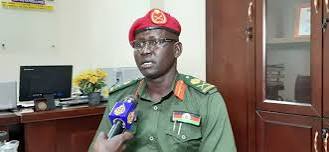
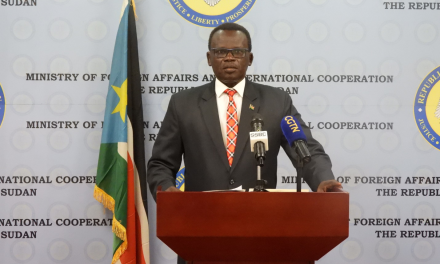
Meanwhile, Gunnar Gabrielsen, chief of staff of the Ceasefire Transitional Security Arrangement Monitoring Verification Mechanism (CTSAMVM), said that parties have continued to violate provisions related to the prohibition of recruitment and training of new recruits including the use of child soldiers.
“In June 2025, SSPDF opened a recruitment drive for 4000 peacekeeping and riverine units and in August 2025, SSPDF inaugurated a new training center in Wunaliet, Juba County. Reports alleged that parties have engaged in abductions or the mobilization of children to participate in the conflict,” Gabrielsen said.
He also revealed that cantonment sites supposed to ensure the separation of troops have been abandoned due to ongoing intermittent clashes between the SPLA-IO and SSPDF.
“It is our assessment that the Necessary Unified Forces (NUF) from the beginning were under resourced, undermanned, undersupplied and under-trained. NUF was never established as an independent and functioning force,” Gabrielsen said.
South Sudan is supposed to train and graduate 83,000 unified forces consisting of the army, police, prisons, wildlife and intelligence under chapter two of the 2018 revitalized peace agreement, but this has not been realized to date.
“Defections of soldiers from one side to the other are common place and they are prohibited under chapter two. Parties are not closing in on the creation of Necessary Unified Forces,” Gabrielsen said.