OCHA: Conflict, Displacement and Heavy Rains Deepen Humanitarian Crisis in Central African Republic
Credit: Adrienne Surprenant
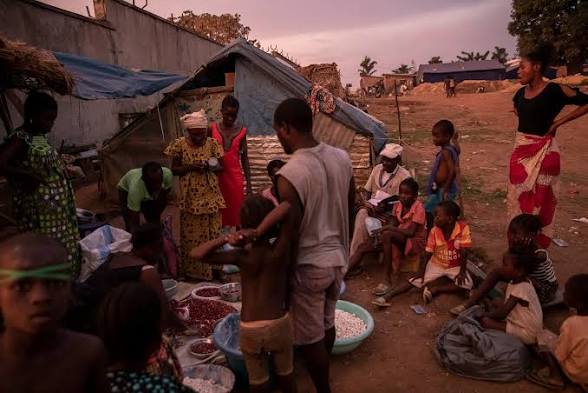
The humanitarian situation in the Central African Republic (CAR) continues to deteriorate as conflict, displacement, disease preparedness challenges, and severe weather leave thousands of people in urgent need of assistance, according to the latest humanitarian update from the United Nations Office for the Coordination of Humanitarian Affairs (OCHA).
OCHA said more than 1.3 million people require humanitarian assistance in CAR this year, but only 306,900 people had been reached by the end of April. The 2026 humanitarian response plan requires US$264.1 million, of which only 21.8 percent had been funded by the end of June.
In the south-eastern Haut-Mbomou Prefecture, more than 1,000 people fled from Zemio to neighbouring Democratic Republic of the Congo (DRC) after the killing of a religious leader on 27 June who had played a key role in promoting community reconciliation. Continued insecurity, targeted killings and looting have also forced many residents to flee within Zemio, while fear of reprisals has disrupted community activities.
In the north-eastern Vakaga Prefecture, at least 2,000 internally displaced people have arrived in Birao after clashes erupted in Am-Dafock on 30 June. The influx adds pressure to Birao, which is already hosting around 25,000 Sudanese refugees. Another 11,000 displaced people remain near the MINUSCA base in Am-Dafock.
A rapid humanitarian assessment found that conditions in Am-Dafock remain critical, with urgent needs for protection, healthcare and safe drinking water. The town’s only health facility was looted and occupied by armed groups, while insecurity continues to restrict humanitarian access. Emergency relief, including tarpaulins, medical supplies and essential household items, has been delivered by humanitarian partners, but poor road conditions caused by the rainy season continue to delay additional aid deliveries.
To strengthen regional disease preparedness, the World Health Organization (WHO) deployed and trained 10 health workers at border entry points in Ouango and Bangassou to enhance Ebola surveillance along the border with the DRC, where an Ebola outbreak is ongoing.
Meanwhile, food security partners continue supporting vulnerable communities. The Food and Agriculture Organization (FAO) and its partner UDAPE distributed poultry and goats to 261 internally displaced and vulnerable households in Rafaï to help restore livelihoods and improve household food security. In Nana-Gribizi Prefecture, Welthungerhilfe trained farmers and pastoralists in agricultural business management, livestock care and improved farming practices.
Elsewhere, heavy rains and strong winds struck Ngaoundaye in western CAR on 4 July, injuring three people and destroying 45 homes. The storm affected 215 people, many of whom are now sheltering with already vulnerable host families, while damaged crops have further worsened food insecurity.
Humanitarian agencies warn that continued insecurity, funding shortages and logistical challenges are hampering life-saving operations and increasing the vulnerability of affected communities across the country.