











Media Office to Be Set Up Within Judiciary Premises
By Kidega Livingstone
The Judiciary of South Sudan is set to establish a media office within its premises to improve
journalists’ access to information on court proceedings and rulings.
The move follows repeated complaints from journalists who say they have been denied
access to essential information concerning court hearings and judgments on several
occasions.
According to the Judiciary and the laws of South Sudan, any court hearing not held in camera
should be open to the public and media without restrictions.
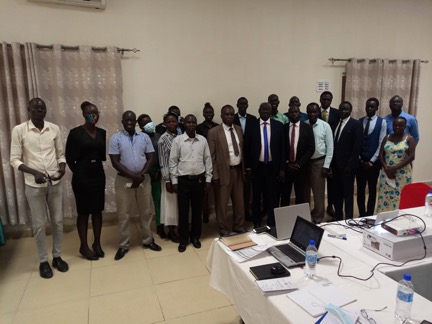
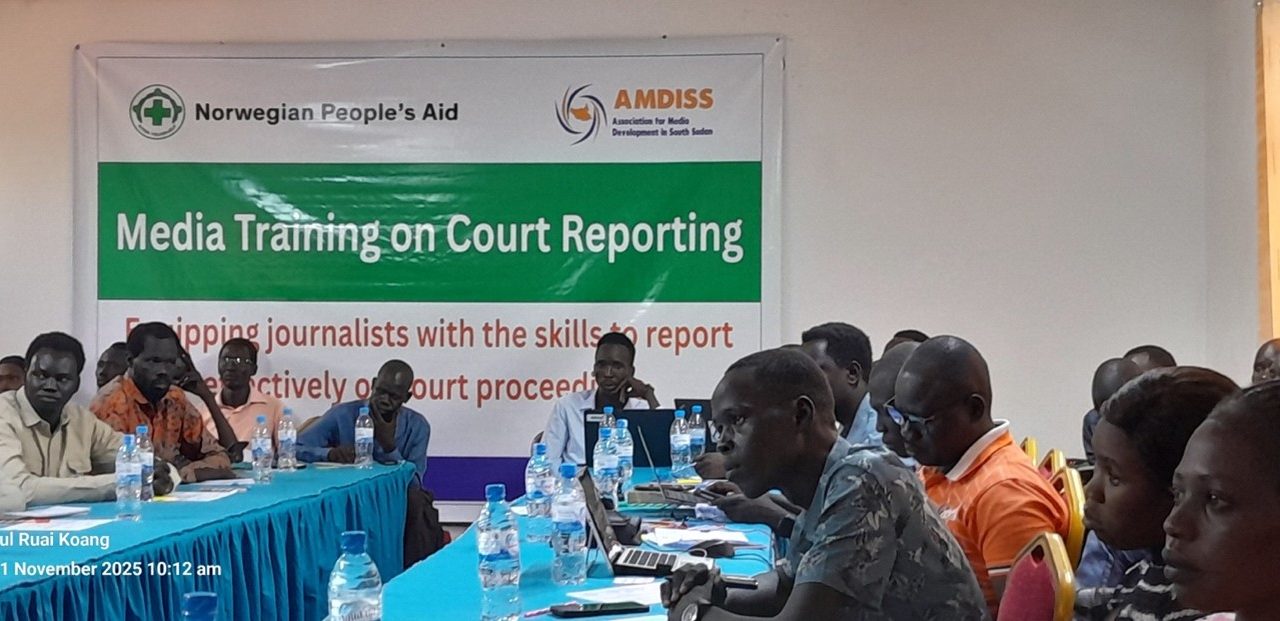
Speaking during the closure of a training on court reporting organized by the Association for
Media Development in South Sudan (AMDISS) with support from Norwegian People’s Aid
Justice Abraham Majur Laat said the establishment of the media office will facilitate accurate
reporting on court rulings and procedures.
“Judiciary will be respected if the media begins to standardize reporting on court cases,” he
said.
He added, “The Judiciary is very open; judgments are made publicly. In case you need any
information, contact the Office of the Chief Justice.”
Juma Peter, Communication Specialist at AMDISS, said media organizations and the Union
of Journalists now have firm assurances from the Judiciary.
“Now that we have assurances from the Judiciary, we will follow up to ensure journalists can
do their work effectively,” he said.
In South Sudan, both the media and the judiciary continue to face intertwined challenges in
- While new initiatives are emerging, including this planned media office, significant
restrictions persist particularly concerning access to high-profile trials. Media outlets have at
times been blocked from key proceedings, raising concerns about press freedom and
transparency.
There are also ongoing concerns about political interference affecting the independence of the
judiciary.