












IGAD supports South Sudan on securing funding for climate change mitigation
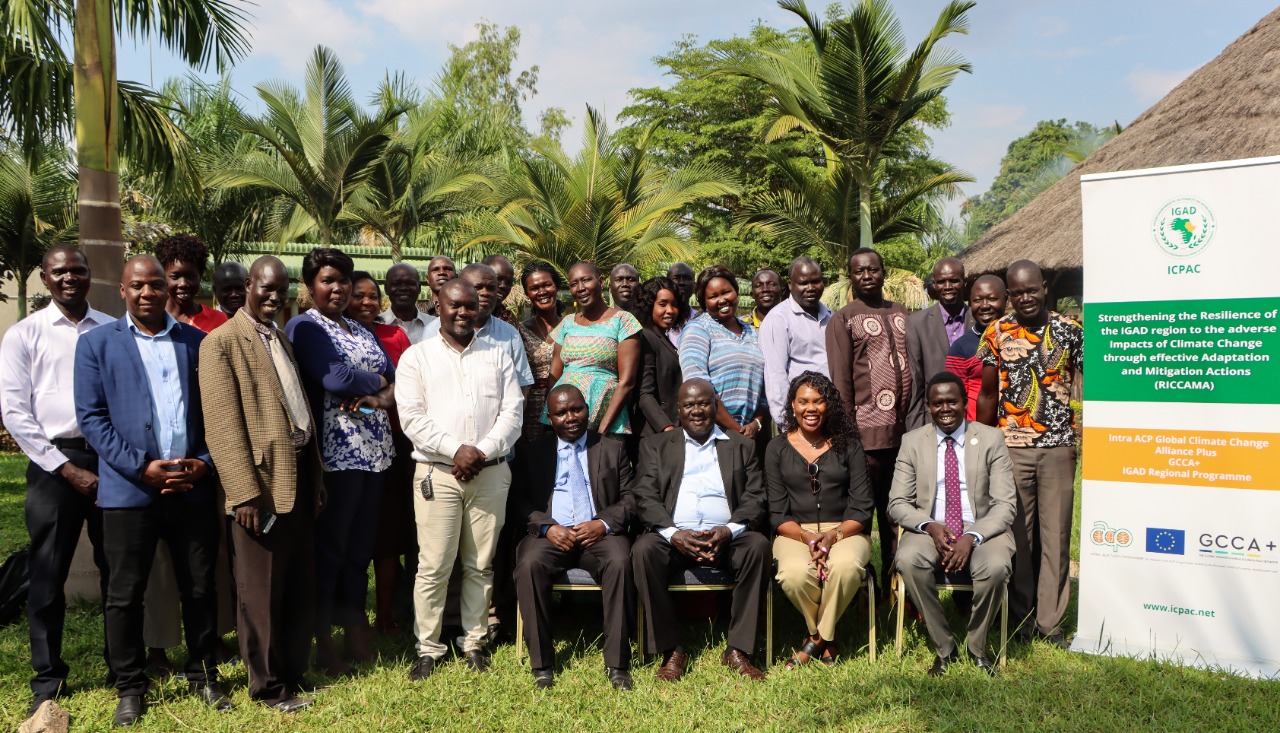
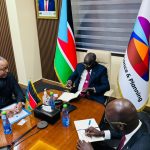
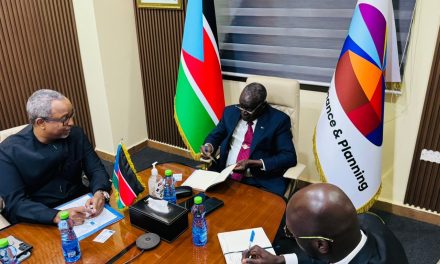
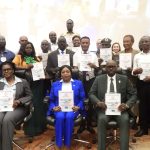
The regional body Intergovernmental Authority on Development (IGAD) on Wednesday completed training for several South Sudanese officials aimed at building their capacities to secure funding from the Green Climate Fund (GCF).
GCF is a unique global platform to respond to climate change by investing in low-emission and climate-resilient development.
Dr. Philip Omondi, project manager for the strengthening of the Resilience of the IGAD region to the adverse impacts of Climate Change through effective Adaptation and Mitigation Actions (RICCAMA), said the training will boost the capacity of South Sudan to lobby for funds from the climate kitty established under the 2015 Paris Agreement.
“We are here in South Sudan basically to build capacity of ministerial staff,sectoral heads on how to develop bankable project proposals, we have climate funds through the climate kitty where developed countries are giving developing countries 100 billion U.S dollars per year according to the Paris Agreement of 2015,” said Omondi.
He was speaking to journalists at the closing of the three-day training in Juba.
“This money is not just given free like that, you have to develop understanding mechanisms, where to apply for the money and how to apply for it, this is the main challenge of most African and developing countries,” added Omondi.
RICCAMA project is implemented within the framework of an existing financing agreement between the Organization of African, Carribean and Pacific States (OACPS) Secretariat of the OACPS, and the European Union (EU) for the implementation of the Intra-ACP Global Climate Change Alliance Plus (GCCA+) program.
The overall objective of the project is to increase the resilience of the IGAD region to the adverse impacts of climate change and contribute to the achievement of the UN’s Sustainable Development Goals in particular Goal 13.
To achieve the project goal, IGAD seeks to support the building of regional and national capacities for securing funding from GCF, adaptation fund and other sources for climate change mitigation and adaptation.
In addition, it seeks to support document adaptation best practices, sharing knowledge resources across countries and facilitating technology and skills transfer.
“So we are here to build capacity, create awareness and also train the staff from various ministries on how to develop a project proposal that can be referred as bankable, any time that there is funding you can withdraw this project proposal change a few things here and there and submit it for funding,” said Omondi.
He said countries such as South Sudan have been finding it extremely difficult to access funds from the GCF.
“We believe that after the training they will be now able to write proposals to attract this funding to their country, previously most countries rely on consultants to do these proposals, the consultants come from the western countries they don’t understand the landscape, the problems that countries have,” said Omondi.
He added the RICCAMA project aims to boost every IGAD member country’s capacity to be able to develop two bankable project proposals by the end of the project.
Some 20 participants from the ministries of agriculture, energy, environment and other ministries attended the training that commenced on 12th December.
IGAD will also conduct field visits between 15-16 December.