




























How can South Sudan learn from China’s experience with the Great Wall in tourism development?
By Iliwa Ritah Mathew
South Sudan can draw several lessons from China’s experience with the Great Wall to develop its tourism sector.
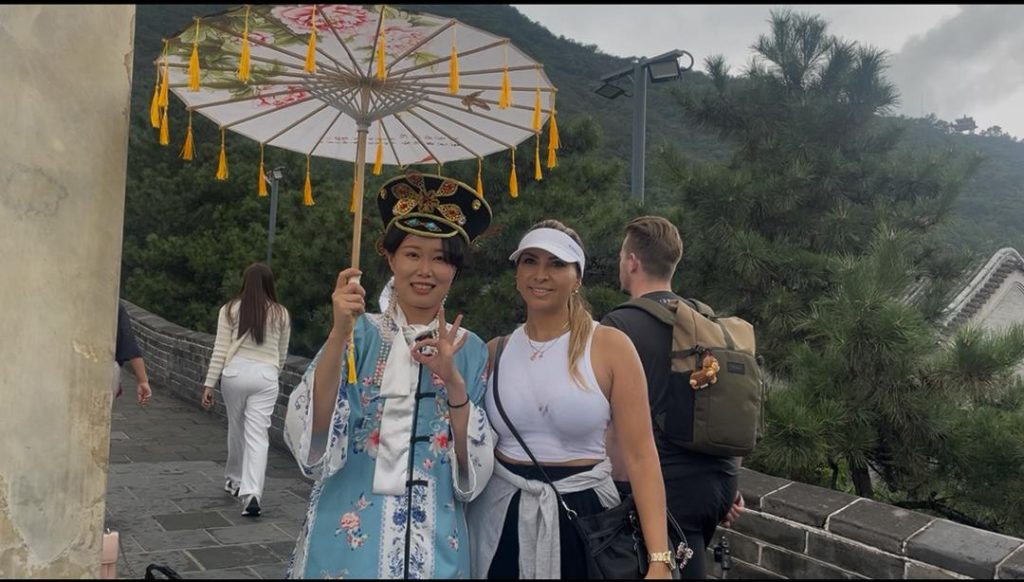
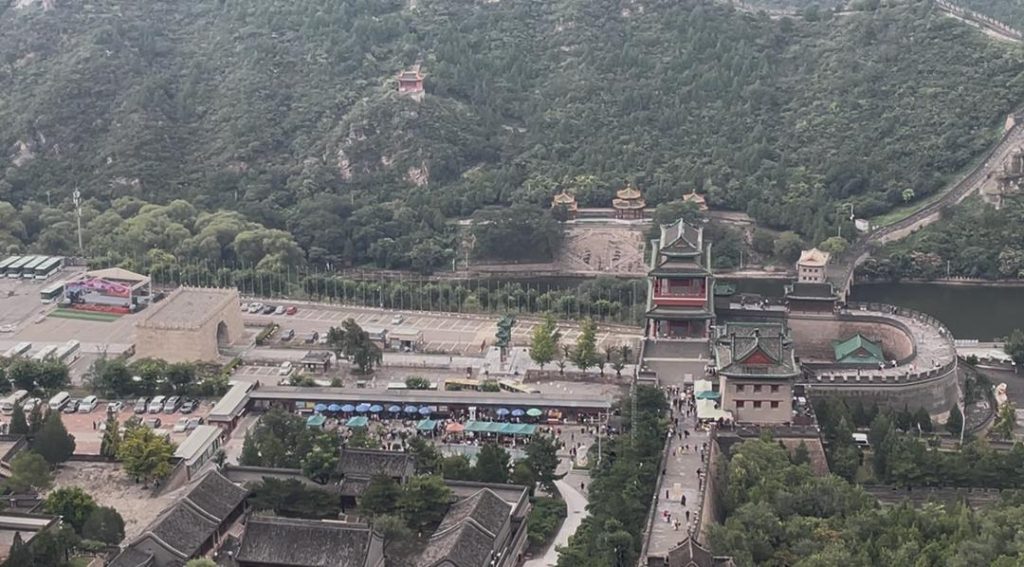
First, South Sudan should focus on identifying and preserving its unique historical and cultural landmarks, similar to how China has leveraged the Great Wall’s historical significance. The Great Wall, a UNESCO World Heritage site since 1987, symbolizes the Chinese nation and attracts millions of tourists due to its vast history spanning over 2000 years and its architectural marvels.
South Sudan possesses a rich history and diverse cultures, which, if properly documented and preserved, could form the bedrock of its tourism appeal.
Second, strategic development and restoration of key sites are crucial. China has carefully developed and restored sections of the Great Wall, such as Badaling, Mutianyu, and Jiayuguan, turning them into well-known tourist attractions.
South Sudan could identify its own “Badalings” – sites with significant historical or natural beauty and invest in their restoration and infrastructure development, including accessible transportation and visitor facilities.
Third, effective marketing and promotion are essential to attract international and domestic visitors.
The Great Wall is globally recognized as one of the “seven wonders of the world,” a status achieved through consistent promotion of its historical and cultural significance.
South Sudan needs to actively market its attractions, perhaps by highlighting unique cultural practices, wildlife, or historical narratives that differentiate it from other destinations.
Fourth, ensuring high-quality visitor experiences, including reasonable pricing and good services, is paramount for sustainable tourism. China’s experience with Shanhai Pass, which was disqualified as a 5A scenic spot due to overpriced tickets and poor management, serves as a cautionary tale.
South Sudan must prioritize customer-oriented services, transparent pricing, and maintain high standards of sanitation and facility upkeep to encourage repeat visits and positive word-of-mouth.
Finally, South Sudan can learn from China’s ability to integrate tourism with local communities, ensuring that local populations benefit from the industry. While not explicitly detailed for the Great Wall, China’s broader tourism development often involves local communities, as seen in various academic trips and observations of community engagement.
This approach can foster local support for tourism initiatives and provide economic opportunities for residents.