
















Government partners with UN to scale up cholera response amid looming floods
By Denis Ejulu
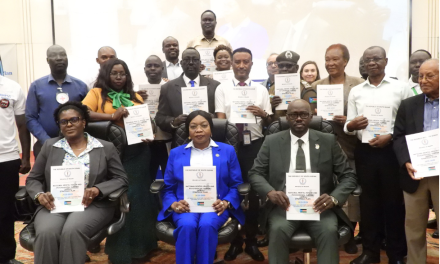
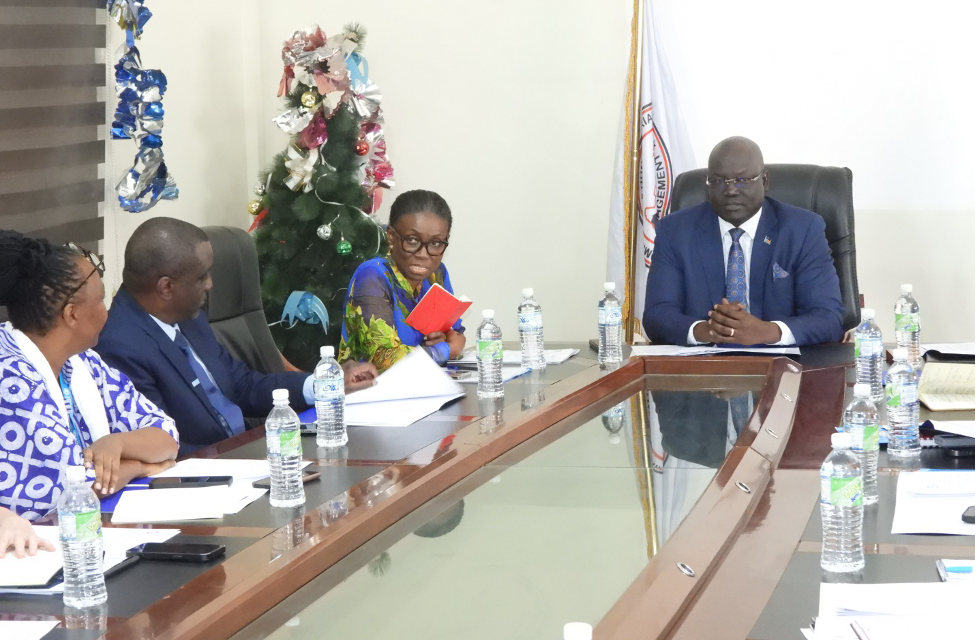
The transitional unity government, in partnership with United Nations agencies on Monday agreed to ramp up response ahead of the incoming heavy floods to the cholera crisis that has exacerbated the already dire humanitarian situation in the country.
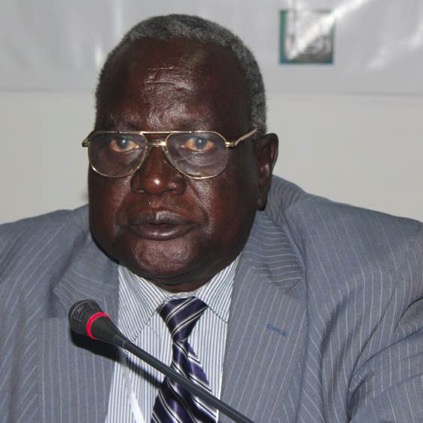
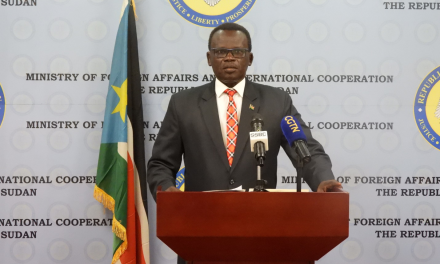
Kediende Chong, director general for preventive health services and emergency response in the ministry of health, said that they have so far registered a total of 79,019 cumulative cases and 1,421 fatalities across 55 counties in the nine states and three administrative areas.
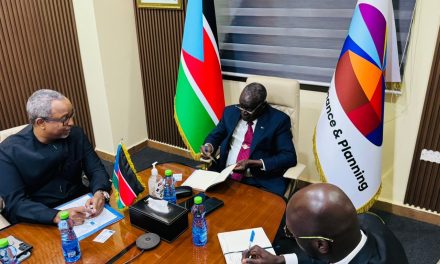
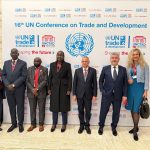
“We continue to receive big number of cases in specific locations, which includes Abyei Administrative Area, which is at the border with Sudan and more importantly, where we continue to receive new arrivals in terms of returnees as well as refugees fleeing the conflict in Sudan,” Chong told journalists during an inter-ministerial meeting attended by heads of key UN agencies in Juba.
He disclosed that they recently recorded over 2000 cases and 21 fatalities within the last two weeks across 21 counties.
“These lives that were lost although they have also declined, but definitely we are also regretting that we continue to lose lives due to cholera,” Chong said.
South Sudan declared cholera outbreak on October 28, 2024.
Chong revealed that the cholera response has been boosted with the availability of more than 9 million cholera vaccine doses across 35 of the most affected counties.
Humphrey Karamagi, World Health Organization (WHO) representative for South Sudan, said that the number of cholera cases continue to increase due to the huge influx of returnees as well as refugees fleeing conflict in neighboring Sudan, where an outbreak was already reported.
In addition, he emphasized the need for concerted efforts to preposition supplies and ramp up response efforts in hotspot areas ahead of the incoming floods.
“The country is facing a major risk in terms of increasing cholera cases, the flooding as we move forward is a huge risk, the returnees coming from Sudan, where there is another outbreak is also another huge risk but also the vaccination overtime it starts, the effects reduce so we are expecting more and more people to become susceptible as we move forward,” Karamagi said.
The communiqué issued at the inter-ministerial meeting called for rapid deployment of medical, water sanitation and hygiene (WASH), and nutrition supplies in high-risk counties ahead of peak flooding, expanding surveillance coverage and surge capacity for early detection and response.
It also called for immediate scale-up of chlorinated water access, latrine desludging, hygiene promotion, and community engagement and sustaining and expanding both reactive and preventive oral cholera vaccination interventions, and facilitating unimpeded humanitarian access and strengthen logistics to accelerate response efforts.