El Niño to Intensify Humanitarian Risks in South Sudan, Horn of Africa
A strengthening El Niño weather pattern could worsen humanitarian needs across South Sudan and the wider Horn of Africa, with drought, flooding, disease outbreaks and displacement threatening communities already facing food insecurity and weakened essential services, according to an inter-agency humanitarian outlook released in September.
The Global ENSO Analysis Cell said El Niño is firmly established and forecast to reach very strong intensity toward the end of 2026, with impacts potentially continuing into early 2027.
The report, drawing on analysis from the World Meteorological Organization and humanitarian agencies, identifies South Sudan, Sudan, Somalia, Ethiopia and Kenya as priority countries in the Greater Horn and East Africa.
“Dryness may persist through October in western Ethiopia, southern Sudan and much of South Sudan,” the report said, warning that heavy rainfall and flood risks could increase across parts of the southern Horn from October and continue into early 2027.
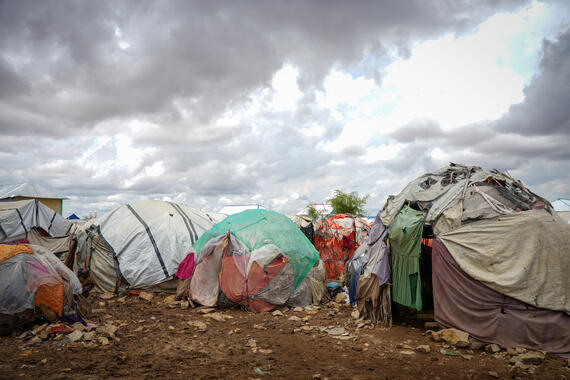
The combination of weather hazards and existing humanitarian pressures could increase displacement, disease transmission, disruptions to essential services and access constraints, the report said.
South Sudan and Sudan remain of particular concern, with between 41% and 55% of their populations facing Crisis-level food insecurity or worse, according to the report. It also warned of plausible famine risks in some areas.
Across the region, more than 37.8 million people are facing acute food insecurity, while 4.9 million children are experiencing acute malnutrition, including 1.5 million who need treatment for severe acute malnutrition.
The report said cholera, measles, malaria and diphtheria are active in the region, while Rift Valley fever requires monitoring in parts of Ethiopia and Kenya.
The WMO forecasts a nearly 100% likelihood that El Niño will persist through February 2027. Weekly sea-surface temperature anomalies in the Niño 3.4 region reached approximately 2.2°C to 2.6°C above average by mid-August, while the multi-model ensemble forecast a seasonal mean anomaly of about 3.6°C for September-November.
The report cautioned that the strength of the global El Niño event does not directly determine the severity of impacts in individual countries. Local rainfall patterns, agricultural calendars, existing vulnerabilities and the ability of communities to cope will shape the consequences.
Humanitarian agencies said the Greater Horn must prepare for both continuing dryness and the possibility of flooding as seasonal rains intensify.
The report calls for flood, health, nutrition, education, water, sanitation and hygiene supplies to be pre-positioned before access deteriorates. It also recommends maintaining drought responses and monitoring rainfall onset, upstream rainfall, river levels, disease outbreaks and the continuity of essential services.
In South Sudan, where humanitarian needs remain high, the report says financing and planning processes for El Niño preparedness are at different stages.
The inter-agency outlook urges governments and humanitarian partners to activate existing anticipatory-action frameworks when agreed thresholds are reached, protect livelihoods and essential services, and ensure that logistics, financing and emergency response systems are ready before conditions worsen.
The report estimates that up to 50 million people globally could be affected by the humanitarian consequences of El Niño over the next six to nine months.