Eastern Africa Faces Deepening Humanitarian Crisis as 48.5 Million Need Assistance
Credit: DW
By Sasuk Taban
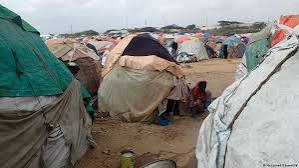
Eastern Africa remains one of the world’s most severe humanitarian hotspots, with 48.5 million people expected to require humanitarian assistance in 2026 as conflict, displacement, climate shocks, disease outbreaks and worsening food insecurity continue to drive needs across the region.
According to the Eastern Africa Humanitarian Snapshot (June 2026), an estimated 40.5 million people are experiencing Crisis (IPC Phase 3) or worse levels of food insecurity—an increase of 1.6 million people compared to the first quarter of the year. The sharpest increases were recorded in South Sudan, Kenya, Sudan and Tanzania.
The report also indicates that 8.3 million children aged between six and 59 months are suffering from acute malnutrition.
Although this marks a slight decline from nine million earlier in the year, malnutrition levels remain critically high.
Internal displacement across the region fell slightly from 16.9 million to 16.7 million people, largely due to returns in Sudan. However, nearly 13,000 people were newly displaced in Burundi, mainly because of climate-related disasters.
Meanwhile, the regional refugee and asylum-seeker population increased to six million, driven by new arrivals in South Sudan, Uganda and Kenya.
Public health concerns continue to intensify. Cholera cases more than doubled during the second quarter of 2026, rising from 5,500 to approximately 12,400 cases, while 457 mpox cases were reported, mostly in displacement-affected and flood-prone areas. Although the Ebola outbreak remains concentrated in the Democratic Republic of the Congo, humanitarian agencies warn that the risk of cross-border transmission across Eastern Africa remains high.
The report also warns that the projected 2026 El Niño weather pattern could further worsen humanitarian conditions. Below-average rainfall and extreme heat are expected through September, followed by an increased likelihood of flooding during the October to December rainy season, threatening agriculture, water supplies, infrastructure and essential services.
Humanitarian operations are also being complicated by insecurity, restricted access and the ongoing crisis in the Middle East, which has disrupted supply chains and increased fuel, transport and food prices across the region.
Despite these mounting challenges, humanitarian organisations continue delivering life-saving assistance, although funding remains critically low. By mid-2026, humanitarian appeals across the region had received only 21 to 33 per cent of the funding required, raising concerns about the ability to meet growing humanitarian needs in the months ahead.