














Chinese experts, South Sudanese share knowledge on crisis management
By Denis Ejulu
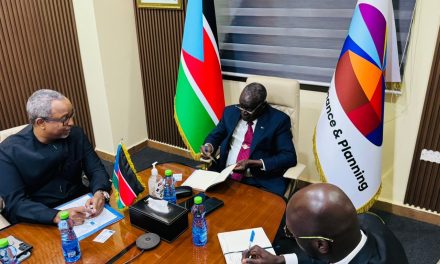
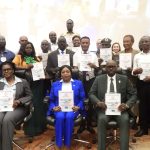
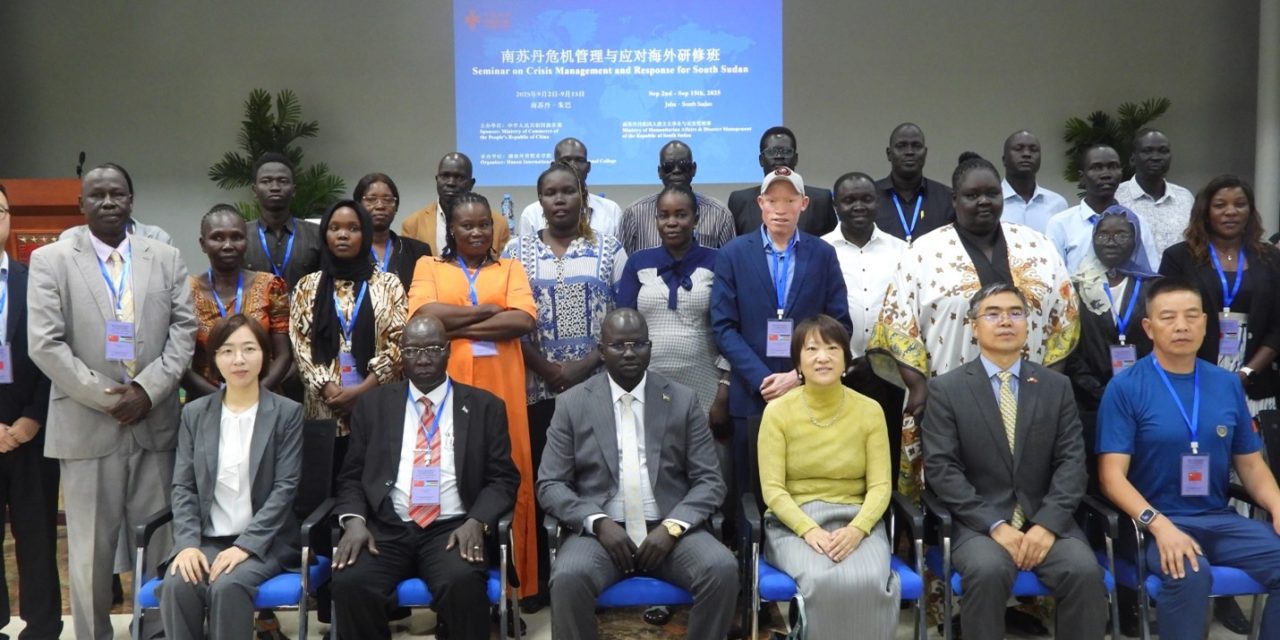
Chinese experts from the Hunan International Business Vocational College, on Tuesday commenced the training of South Sudanese officials in the Ministry of Humanitarian Affairs and Disaster Management on crisis management and response in the capital, Juba.
The 15-day seminar being attended by 30 trainees is sponsored by the Chinese government’s Ministry of Commerce and organized by Hunan International Business Vocational College, in partnership with the Ministry of Humanitarian Affairs and Disaster Management.
Dennis Marial Muorwel Mayom, Undersecretary of the Ministry of Humanitarian Affairs and Disaster Management, noted that this seminar presents a unique opportunity for national and subnational stakeholders to share experiences and learn best practices in crisis management.
“The knowledge and skills gained here will undoubtedly strengthen our collective efforts in mitigating the impact of disasters and humanitarian crisis,” Mayom said.
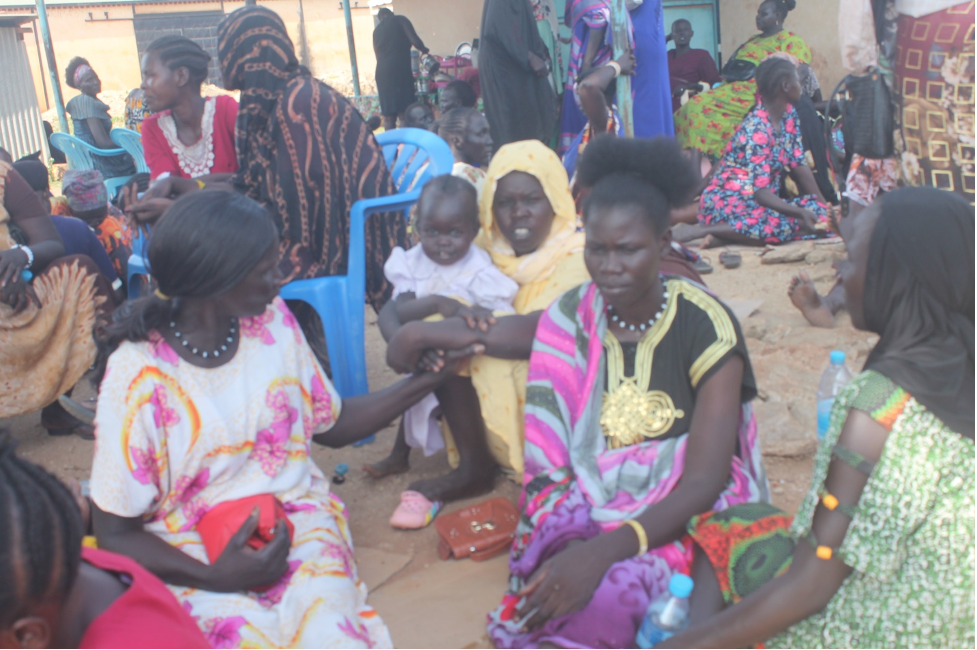
He noted that the youngest nation has over the years experienced numerous crises ranging from natural disasters to complex humanitarian emergencies, which have tested the country’s resilience.
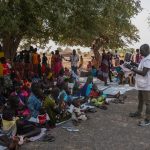
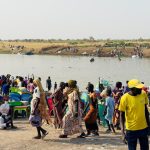
As of 27 August, flooding has affected approximately 263,000 people in Mayendit and Panyijiar in Unity, Ayod and Bor South in Jonglei, Longochuk in Upper Nile and Pochalla in Greater Pibor Administrative Area, according the United Nations Office for the Coordination of Humanitarian Affairs (OCHA).
The country is expected to experience the worst floods from September to November similar to 2024.
“It is through collaborative efforts such as this seminar, that we can enhance our preparedness, coordination and response capabilities to better serve our communities,” Mayom said.
Lawrence Akola, Director General for Planning, Training, and Coordination in the Ministry of Humanitarian Affairs and Disaster Management, said that the knowledge gained from the seminar will help them to address climate hazards such as drought, floods, community conflicts and diseases.
“I would like to advise or encourage each of us to take this opportunity of learning from our Chinese experts, so that we South Sudanese can address the crisis management and response by ourselves, instead of being addressed by non-South Sudanese,” Akola said.
Peng Wei, project manager of China-Aid training faculty of Hunan International Business Vocational College, said the lectures have been carefully designed with course content which is closely tailored to the needs of South Sudan.
“The courses will cover topics such as types of crisis in South Sudan and construction of emergency response systems, typical cases of crisis response in African countries, comprehensively covering the entire crisis management process of prevention, response, disposal and recovery,” Peng said.
She noted that over the past 15 years, they have held 498 training programs for officials from developing countries including 23 ministerial-level seminars.
Peng disclosed that a total of 13,334 people have already been trained in various fields such as politics and diplomacy, medical and health care, energy and minerals field.
Huo Ying, charge d’affaires at the Chinese Embassy in South Sudan emphasized the need to strengthen capacity building in crisis management in the face of current global challenges in order to safeguard national stability and development.
In addition, she stressed that China has always been a steadfast supporter of South Sudan’s peace and development.
Huo noted that the seminar is a concrete action to implement the spirit of the Forum on China-Africa Cooperation (FOCAC) Beijing Summit, and also a vivid reflection of the Chinese government’s commitment to South Sudan cooperation.
“We hope to share China’s experience and technology in relevant fields to help our South Sudanese colleagues, enhance their capacity to address complex challenges and jointly safeguard regional peace and stability,” Huo said.