













CEPO Calls for Urgent Action on South Sudan Peace Agreement
By Wek Atak Kacjang
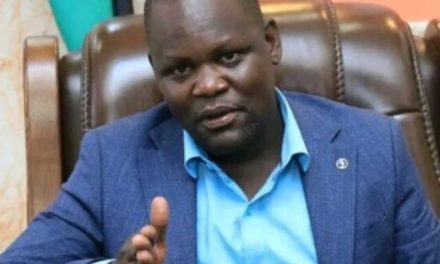
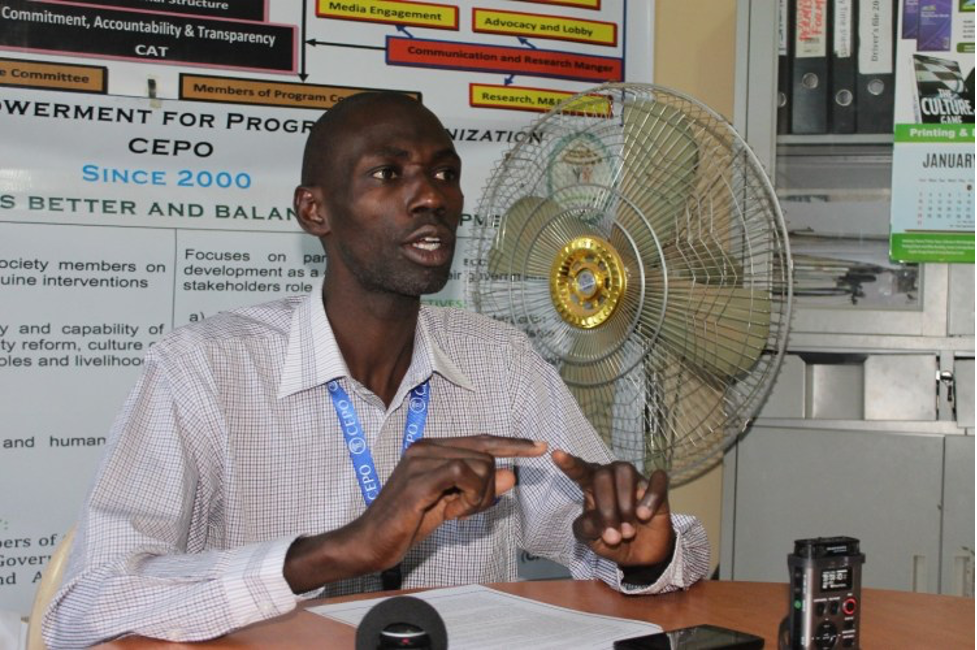
The Executive Director of the Community Empowerment for Progress Organization (CEPO), Edmond Yakani, has issued a compelling call to action directed at the thirteen stakeholders of the Revitalized Agreement on the Resolution of the Conflict in South Sudan (R-ARCSS), urging them to take immediate and decisive steps to hold the country’s leadership accountable while making the bold political decisions necessary to break South Sudan’s devastating cycles of violence.
Yakani emphasized the critical importance of demonstrating genuine commitment to the peace process, calling upon all parties to the agreement to present a unified stance regarding both the current status and the future trajectory of the Revitalized Agreement. His message underscored the urgency of the moment, highlighting that South Sudan has reached a pivotal juncture where its leaders must transcend individual political interests and speak with one collective voice that truly represents the aspirations and needs of the South Sudanese people.
The call comes at a time when South Sudan continues to grapple with the implementation challenges of the R-ARCSS, which was signed in September 2018 as a renewed effort to bring lasting peace to the world’s youngest nation. Since gaining independence in 2011, South Sudan has been plagued by recurring conflicts that have displaced millions of citizens, devastated the economy, and undermined the country’s development prospects.
Yakani’s emphasis on accountability reflects growing concerns among civil society organizations and the international community about the pace and effectiveness of peace implementation efforts. The CEPO Executive Director’s statement suggests that without decisive action from the agreement’s stakeholders, South Sudan risks perpetuating the very cycles of violence that the R-ARCSS was designed to end.
The reference to speaking “with one voice” carries particular significance in the South Sudanese context, where political fragmentation and competing interests have often hindered progress toward sustainable peace. Yakani’s call for unity extends beyond mere political convenience, positioning it instead as a moral imperative that leaders owe to their constituents who have endured years of conflict and instability.
The thirteen stakeholders of the R-ARCSS include regional and international actors who have invested considerable diplomatic and financial resources in South Sudan’s peace process. Yakani’s appeal to these stakeholders reflects recognition that sustainable peace in South Sudan requires not only domestic commitment but also continued international engagement and pressure to ensure accountability.
As South Sudan continues to navigate the complex challenges of post-conflict reconstruction and democratic governance, Yakani’s statement serves as a reminder that the window for meaningful progress remains open, but requires immediate and coordinated action from all parties committed to the country’s peaceful future.