
Former DRC President Joseph Kabila named leader of new political-military coalition
Former Democratic Republic of Congo (DRC) President Joseph Kabila has been named leader of a new political-military coalition that includes the M23 rebel movement, raising concerns about the future of peace efforts in the conflict-ridden eastern region.The coalition, known as the Front for the Refoundation of the Nation (FRN), was unveiled on October 12, 2026, in Goma, a major city in eastern DRC controlled by M23 rebels since early 2025.The group says it aims to unite resistance forces against President Félix Tshisekedi’s government, pledging to pursue its objectives “by all means, including force.”Kabila’s appointment marks a significant development in the conflict, bringing a former head of state with national political connections and governing experience into an alliance dominated by armed groups operating in eastern Congo.According to the coalition, M23 military leader Sultani Makenga will serve as one of Kabila’s four deputies. The other three deputies are also affiliated with the Alliance Fleuve Congo (AFC)-M23 alliance.The development could transform the rebellion from primarily a military challenge into a broader political contest over national leadership, analysts say.John Ngono, Central Africa analyst at the Armed Conflict Location and Event Data Project (ACLED), said Kabila’s alignment with M23 could attract opposition figures dissatisfied with Tshisekedi’s administration, particularly those opposed to proposed constitutional changes.Ngono said the FRN could also help M23 and its alleged Rwandan backers expand the political appeal of their project beyond the group’s existing support base.However, he noted that it remains unclear whether the coalition can secure additional political and military support beyond what M23 and AFC already command.The announcement comes as Congolese government forces, supported by allied Wazalendo militias, increase pressure on M23 positions in North Kivu and South Kivu. The movement has also reportedly faced internal tensions.Any further military escalation would face resistance from the Armed Forces of the Democratic Republic of Congo (FARDC), supported by Burundian troops and other foreign personnel, while US sanctions against Kabila could complicate his efforts to build international support.In May 2026, Washington imposed sanctions on the former president, accusing him of supporting M23, providing financial assistance and encouraging defections from the Congolese army. Kabila rejected the measures as politically motivated.Kabila ruled the DRC from 2001 until January 2019, when Tshisekedi took office following a disputed election. The two leaders initially maintained a political understanding but later fell out.After spending several years largely outside public view, Kabila returned to Goma in 2025 and intensified his criticism of the government, accusing it of weakening constitutional rule, mismanaging the economy and failing to restore security. The government has not publicly responded to those allegations.In September 2025, a Congolese military court sentenced Kabila to death in absentia on charges including treason and war crimes linked to alleged support for M23. He has denied wrongdoing and described the accusations against him as politically motivated.The conflict in eastern DRC has persisted for decades, driven by armed group activity, political rivalries, ethnic tensions and competition over valuable natural resources. M23 seized Goma in early 2025 and subsequently took control of Bukavu, the capital of South Kivu, expanding its territorial influence.The United Nations and several Western governments have accused Rwanda of supporting M23, allegations Kigali denies. Rwanda maintains that its security concerns stem from threats posed by armed groups operating in eastern Congo.Kabila’s entry into the alliance has added complexity to diplomatic efforts, including peace initiatives involving the United States and Qatar. Although the FRN has indicated that it will respect commitments under the Doha peace process, questions remain over who has the authority to negotiate on behalf of the coalition and ensure compliance with any agreement.Analysts say the new alliance’s ability to attract support beyond M23’s existing political base will be a key test of its influence. However, differences between Kabila’s national political ambitions and M23’s military and security objectives could undermine the coalition over time.The central challenge remains finding a political settlement that ends the fighting, protects civilians and restores state authority across eastern DRC.Without progress on security, governance and the management of the country’s natural resources, a change in political or military leadership may do little to improve conditions for communities affected by years of conflict.Photo Credit: AFP, Creator: JOSPIN MWISHA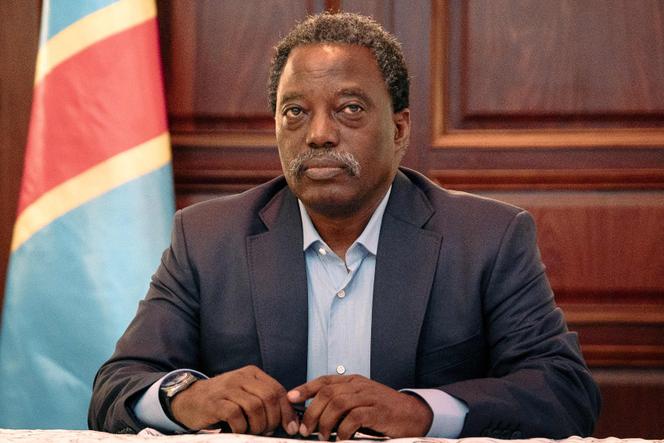
1 like