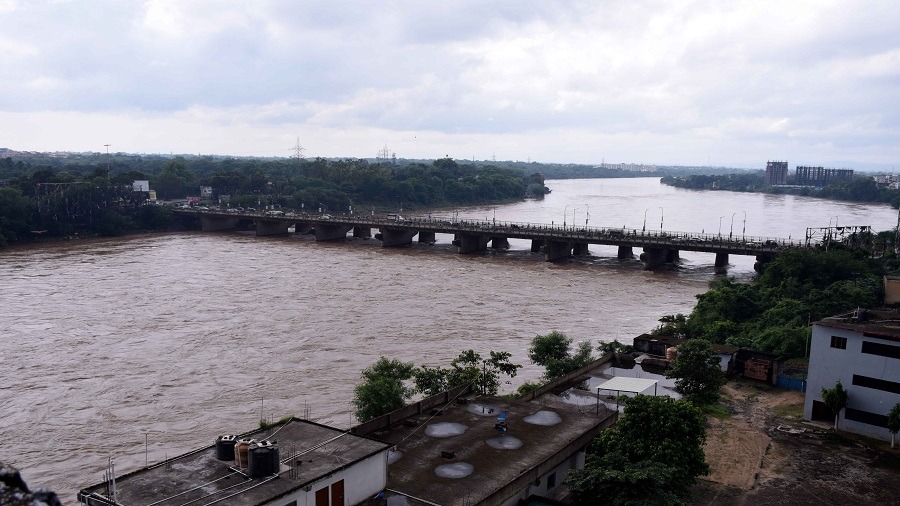
South Sudan and Uganda have agree to strengthen cooperation in managing the White Nile
South Sudan and Uganda have agreed to strengthen cooperation in managing the White Nile through the exchange of hydrological and meteorological data to improve early warning systems and preparedness for floods, droughts and other water-related disasters.Speaking at a meeting on durable solutions for internally displaced persons (IDPs) in Juba on Thursday, James Banak Riang, Acting Undersecretary at the Ministry of Water Resources and Irrigation, said the ministry was working to strengthen early warning mechanisms to help the government anticipate disasters and reduce their impact on communities.Riang said timely access to information on river conditions and potential hazards was essential for enabling authorities to take preventive measures, protect lives and property, and reduce the costs associated with disaster response.According to the Nile Basin Initiative, South Sudan and Uganda signed a memorandum of understanding on June 6, 2026, to enhance cooperation in managing the flow of the White Nile. The agreement provides for the exchange of hydrological and meteorological information, coordination during floods and droughts, and strengthened early warning mechanisms.The cooperation is part of broader regional efforts to improve the management of shared water resources and strengthen preparedness for climate-related emergencies.The agreement is particularly significant for South Sudan, where seasonal flooding has repeatedly displaced communities, disrupted livelihoods and damaged agricultural activities and access to essential services.Sharing reliable information on rainfall, river levels and water flows can help government agencies and humanitarian organisations identify areas at risk and prepare evacuations, relief operations and other preventive measures before disasters escalate.The World Meteorological Organization has also highlighted gaps in meteorological and hydrological monitoring, data availability, funding and technical capacity as challenges to effective early warning systems in South Sudan and Uganda. Both countries have been working to strengthen their national systems and improve coordination with regional partners.For communities living along the Nile and in flood-prone areas, improved forecasting and timely warnings could provide more time to protect homes, livestock, crops and other assets.However, the success of the agreement will depend on consistent data exchange, adequate technical capacity and the ability of national and local authorities to translate early warnings into timely action to protect vulnerable communities.
0 likes