
Nigeria has confirmed its first Ebola case in more than a decade, raising concerns about cross-border disease surveillance and information-sharing as the outbreak of Ebola Bundibugyo virus disease continues to spread across Africa.
Nigeria has confirmed its first Ebola case in more than a decade, raising concerns about cross-border disease surveillance and information-sharing as the outbreak of Ebola Bundibugyo virus disease continues to spread across Africa.The World Health Organization (WHO) said information initially provided about the patient did not include travel to the Democratic Republic of the Congo (DRC), where the outbreak was first declared in May 2026.Ugandan health authorities later reported that the woman, who was born in Uganda, had also travelled to the DRC before being diagnosed with the virus in Nigeria.“The information supplied to WHO did not include travel to another country (other than Uganda),” WHO representative Pavel Ursu said during an online press conference on Thursday.Ursu said the patient returned to Nigeria’s capital, Abuja, on October 3 after travelling to Uganda from September 16. He added that she remained hospitalised, with her biochemical markers showing improvement.According to Nigeria’s Federal Ministry of Health and Social Welfare, the woman developed symptoms on October 7, four days after arriving in the country. She sought treatment at a private health facility in Abuja on October 11, and laboratory tests confirmed Ebola Bundibugyo virus disease on October 20.Health authorities are investigating the likely source of the infection and reconstructing the patient’s travel and exposure history. Investigators are also examining which health facilities she visited between the onset of symptoms and her hospitalisation.Nigeria’s Centre for Disease Control and Prevention has activated its incident management system to coordinate the response. Authorities have identified 44 contacts who are being monitored, while efforts continue to identify additional people who may have been exposed.WHO and its partners are supporting Nigerian health authorities with case investigations, contact tracing, infection prevention and control measures, and essential supplies, including personal protective equipment for health workers.The agency has urged countries across the region to strengthen disease surveillance, improve laboratory testing capacity, prepare rapid response teams and reinforce infection prevention measures in public and private health facilities. Governments have also been advised to increase monitoring at points of entry and engage communities to support outbreak control.Kenya Tracks Contacts as Cases RiseMeanwhile, Kenya’s health authorities said they had traced all 135 contacts linked to the country’s first confirmed Ebola case, reported on October 6.Kenya has reported nine cases linked to the imported infection, according to WHO and health officials.Patrick Amoth, the director-general of Kenya’s Ministry of Health, said authorities had accounted for all identified contacts. He noted that locating the last person took longer because the individual, a Ugandan citizen, had entered Kenya by air and left by road.Nigeria is the fifth country to report Ebola Bundibugyo virus disease since the outbreak was declared in the DRC on May 15, 2026. Uganda, which also experienced an outbreak, declared it over in late August, while cases linked to the DRC have been reported in Kenya and the Netherlands.The outbreak in the DRC has recorded more than 9,500 cases and over 4,200 deaths as of October 18, according to Congolese health authorities cited by WHO. The Africa Centres for Disease Control and Prevention has also reported a high death toll across affected countries, although figures may differ depending on reporting periods and case classifications.Ebola spreads through direct contact with the blood and other bodily fluids of infected people, including the bodies of those who have died from the disease. Symptoms can include fever, vomiting and diarrhoea, while severe cases may involve bleeding and other life-threatening complications.The Bundibugyo virus is a rare species of Ebola virus for which no approved vaccine or specific treatment is currently available.WHO has not recommended restrictions on travel to or trade with affected countries. The agency says its risk assessment is being reviewed regularly as new information becomes available.The latest cases have highlighted the importance of timely cross-border information-sharing, effective contact tracing and coordinated public health responses to prevent further transmission and protect health work8ers and communities.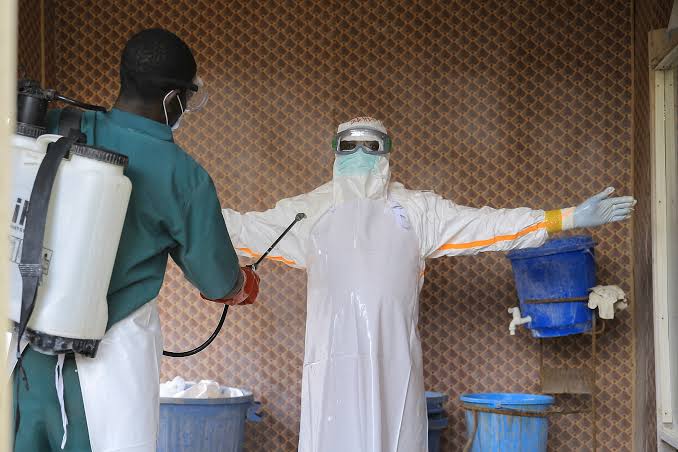
1 like