
Civil society organizations, government representatives and other partners have formed a coalition to coordinate efforts towards the domestication and...
Civil society organizations, government representatives and other partners have formed a coalition to coordinate efforts towards the domestication and implementation of the Maputo Protocol on Women's Rights in South Sudan.The coalition, named the South Sudan Maputo Protocol Coalition (SSMPC), was formed during an inaugural meeting convened on November 11, 2026, in Juba by the National Ministry of Gender, Child and Social Welfare in collaboration with Global Voices Organization (GVO), with support from Norwegian Church Aid (NCA).The formation of the coalition follows recommendations from a national consultative workshop held in July and August 2026, which called for a coordinated mechanism to advance the domestication and implementation of the Maputo Protocol in South Sudan. The Executive Director of Global Voices Organization, Josephine Chandiru Drama,said the coalition brings together civil society organizations, government institutions, academia, the media and experts to push for the domestication and implementation of the Protocol. She said despite South Sudan's ratification of the Maputo Protocol in 2023, implementation has lacked visibility, partly due to the absence of a clear roadmap and national action plan. Meanwhile,the Director for Child Protection at the ministry gender child and social welfare, Miriam Betty Okech, emphasized the importance of collective commitment and continued collaboration among institutions and other actors to advance the implementation process. Beyond government and civil society involvement, participants highlighted the importance of engaging young people in conversations about women's rights and gender-based violence. David Yui George, representing the Central Equatoria State Ministry of Youth, Culture and Sports, said young people, including boys and men, have an important role to play in promoting awareness and supporting the implementation of the Protocol. Participants also stressed the need to ensure that women with disabilities are not left behind, in the implementation process. The Executive Director of the South Sudan Women with Disabilities Network, Joyce Dikun Charles, called for an inclusive approach that recognizes the rights and participation of all women, including those living with disabilities. Participants called for stronger coordination among government institutions, civil society organizations and development partners, increased public awareness of the Maputo Protocol, and greater inclusion of women, particularly women with disabilities, in implementation efforts. To strengthen coordination and monitor progress, members agreed to hold monthly meetings through both virtual and face-to-face engagements, with follow-up on agreed activities. The coalition is expected to provide a coordinated platform for advancing women's rights and ensuring that commitments under the Maputo Protocol are translated into practical action.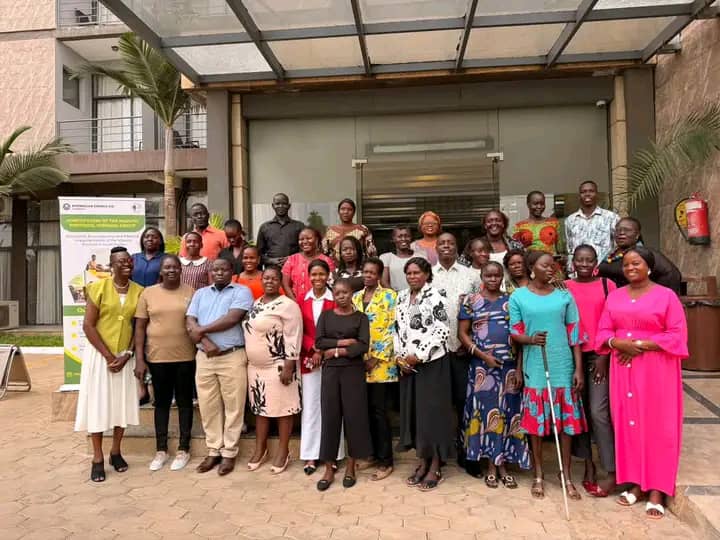
0 likes