Germany has provided funding to support 500 conflict-affected women and girls in Kajo-Keji County, Central Equatoria State, through a project aimed at...
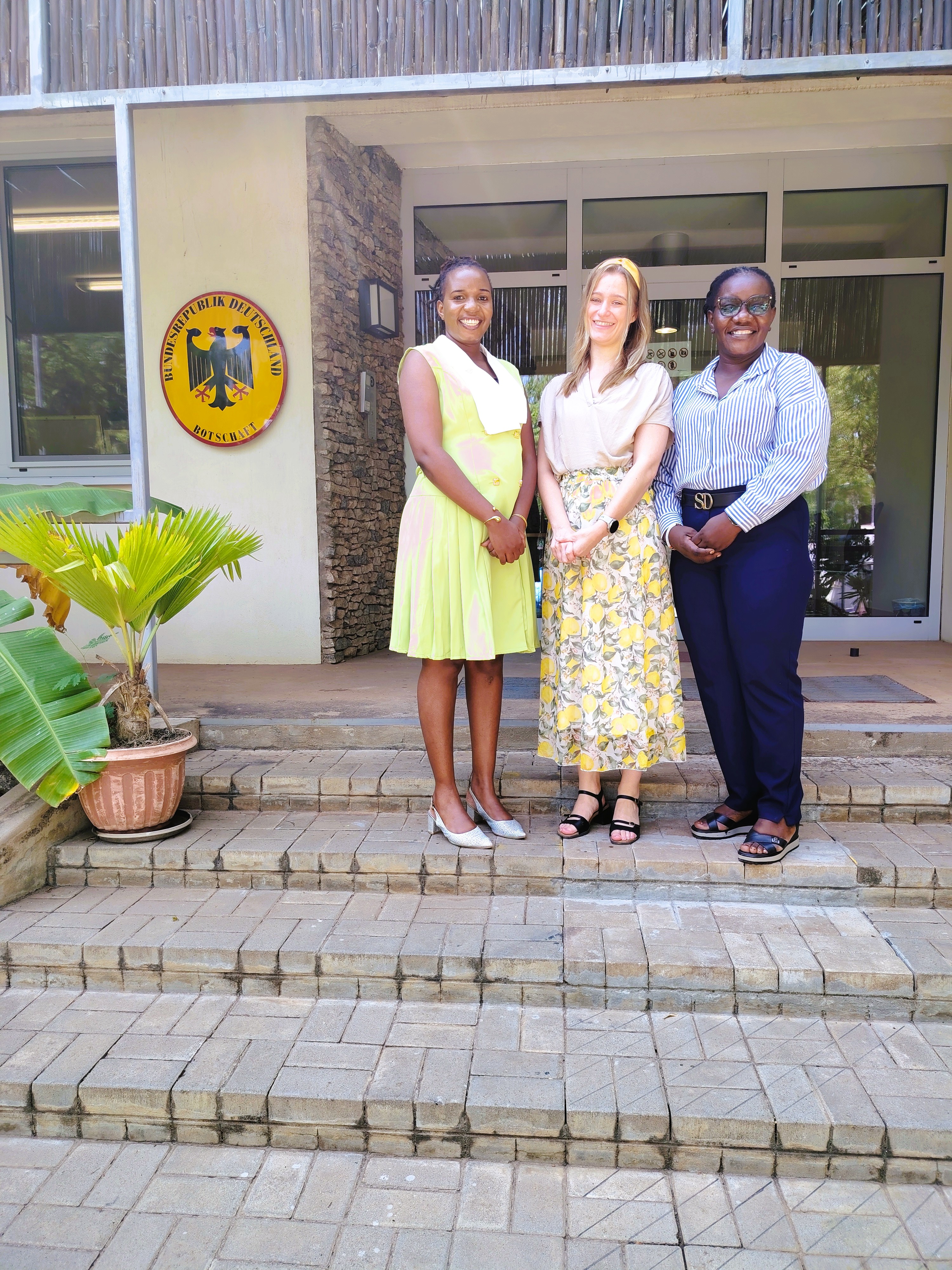
Germany has provided funding to support 500 conflict-affected women and girls in Kajo-Keji County, Central Equatoria State, through a project aimed at improving their mental health, psychosocial well-being and resilience.The funding will support Women for Justice and Equality (WOJE) in implementing its project, titled “Restoring Dignity and Building Resilience for Conflict-Affected Women and Girls in Kajo-Keji County.”Nicole A. Hofmann, Germany’s Chargée d’Affaires and Head of Cooperation at its embassy in Juba, said the support reflects Germany’s commitment to assisting vulnerable communities in South Sudan.“Germany is continuously supporting the people of South Sudan. We focus on the needs of the most vulnerable groups,” Hofmann said, adding that the project would help ensure women and girls receive confidential and survivor-centred mental health and psychosocial support services.The project will provide accessible mental health and psychosocial support to 500 women and girls in Tipere, Kajo-Keji County, with beneficiaries selected based on their vulnerability and protection needs.According to the project details, 100 of the most vulnerable beneficiaries will receive dignity assistance, while protection interventions will include confidential information management, case management, safe referrals and community-based protection mechanisms.The initiative will also strengthen the economic resilience of 100 vulnerable women through kitchen gardening and vegetable production, needs-based business support and Village Savings and Loan Associations (VSLAs).Hofmann reaffirmed Germany’s continued commitment to South Sudan, describing the country as Germany’s second-largest bilateral donor.Kajo-Keji County has experienced insecurity and violence that have displaced thousands of civilians, particularly women and children, increasing their exposure to protection risks and limiting access to essential services.The project seeks to address some of these challenges by improving access to psychosocial support, strengthening protection systems and expanding livelihood opportunities for affected women and girls.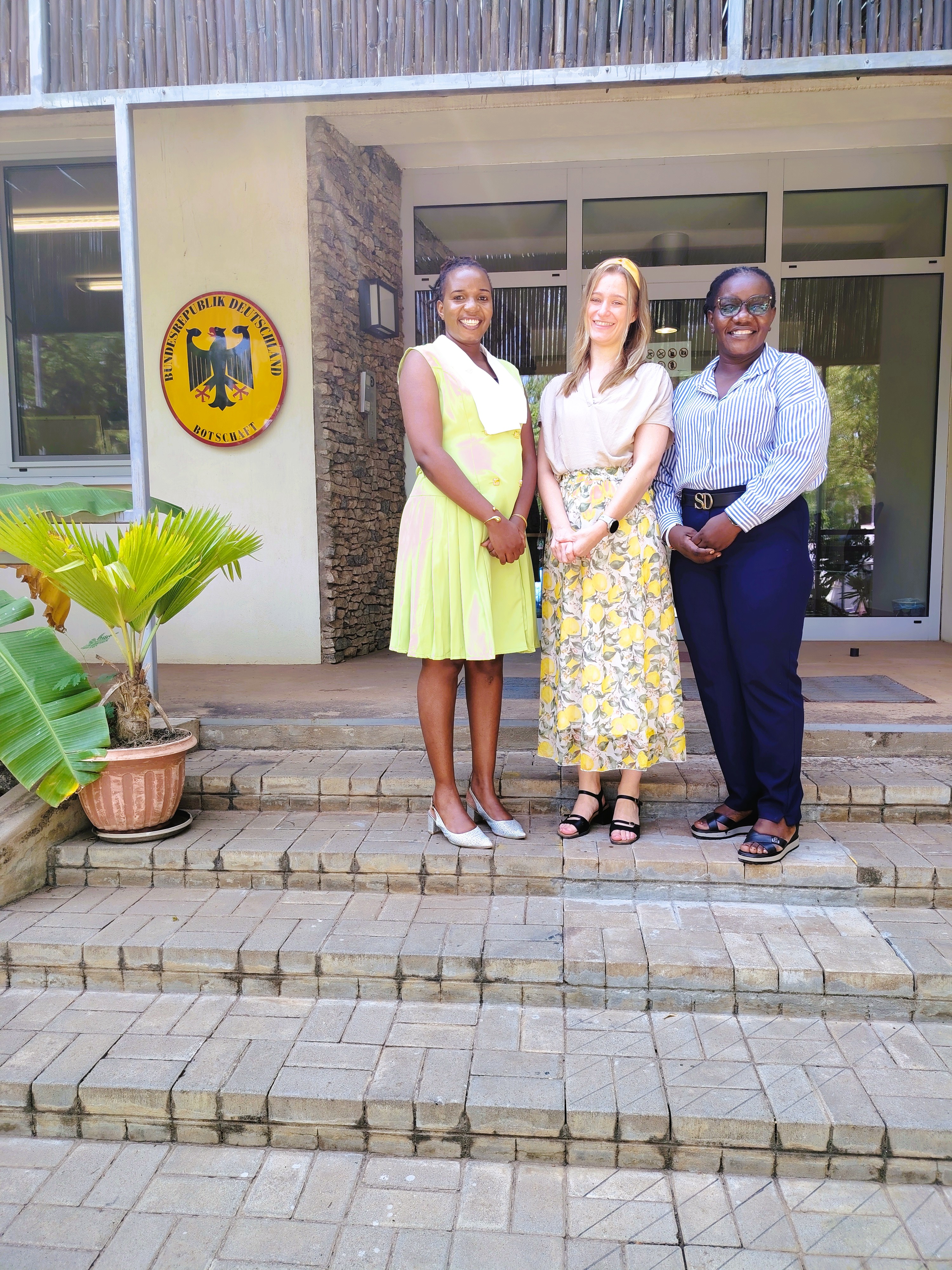
0 likes