Vision Conference calls for global peace dissemination
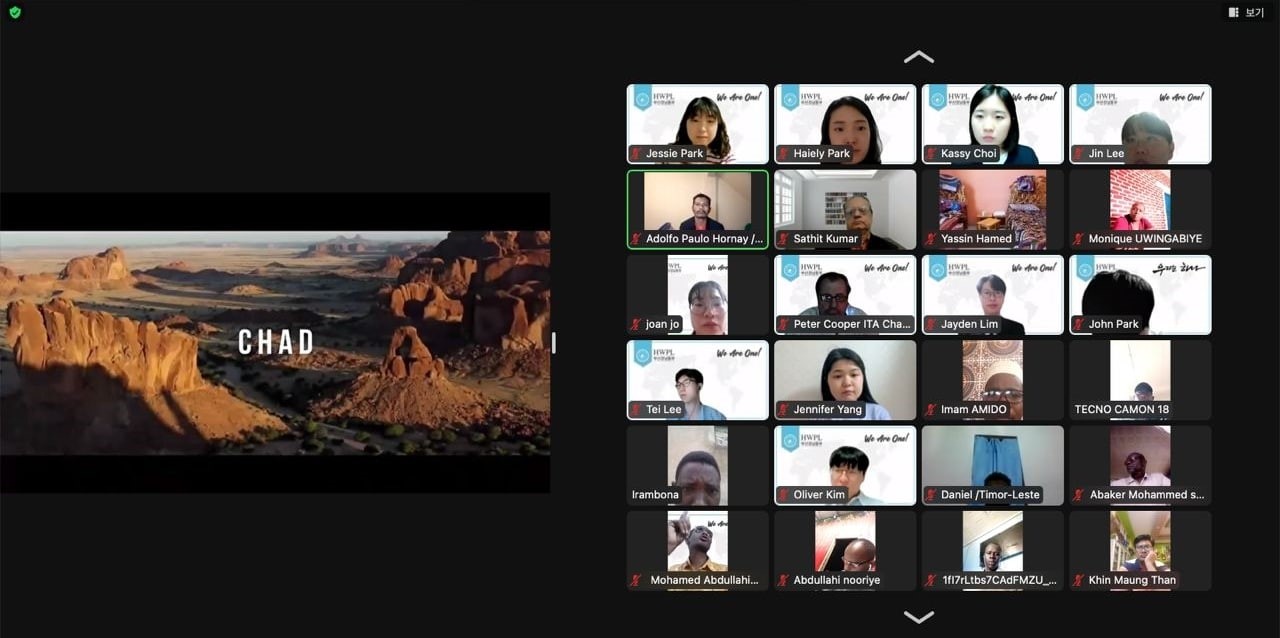
The peace Vision Conference, an event organized by Heavenly Culture, World Peace, Restoration of Light (HWPL), has called on countries to disseminate peace across the world in all different avenues.
The event was held as a deliberative forum that reacts to lay the basis for peace as an institution to promote universal values, norms, and culture of humanity and presented at ‘HWPL’s 6th Annual Commemoration of the Declaration of Peace and Cessation of War (DPCW)’ on 14 March 2022.
It was conducted online to discuss the status and measures of institutionalizing peace to be pursued by countries around the world and shared examples of activities for spreading the culture of peace with leaders from various fields in Asia and Africa.
At least 126 civil society leaders, religious leaders, educators, youths, and journalists from 13 countries, including Sudan, Cameroon, Rwanda, Myanmar, East Timor, and Thailand, participated in the event.
About four different agendas were discussed during the gathering namely the Workshop on the Darfur area’s peacebuilding, the institutionalization of religious peace, the institutionalization of peace education, and youth activities to realize peace.
Mr Zekra Suliman Aldoom Yousif, Senior Health Project Officer in Catholic Relief Services (CRS) of Sudan said, there was room to spread peace in Darfur after the conference.
“The Darfur conflict and war, which began in 2003, left psychological trauma to the Darfur community, making it difficult to forgive, respect, and coexist with each other. However, through access to the HWPL Peace Curriculum, we can spread peace in our community,” he said during the meeting.
Mr Khin Maung Than, a legal advocate, who is also a member of the independent Lawyers’ Association of Myanmar affirms that the institutionalizing of religious peace could make the World’s countries peaceful.
About the dissemination of peace education, Monique Uwingabiye, the teacher of Groupe Scolaire Marie Reine Rwaza said the institutionalization of peace education at the national level, will create a positive impact on the people to live in harmony and it should be begun at the Primary level.
Daniel Santos does Carmo, Former Director of FONGTIL of Timor-Leste stressed the need to have a network of youth for peace in the community.
He said, “In order to institutionalize peace, it is important for young people to have a network and collaborate with civil society, schools, religious groups, and governments.”
In the second part, detailed provisions of the DPCW, which was declared in 2016, were cited as international documents that emphasized the call for solidarity to promote world peace, education that encourages mutual respect, achievement of UN SDGs, and guarantee freedom of the press.
Article 10 of DPCW “Spreading the Culture of Peace” was introduced, emphasizing the need for various peace activities to recognize the value of peace to global citizens and promote public awareness in each country to preserve sustainable peace.
Major examples of related practices by country were the Peace Monument in Mindanao, Philippines, Peace Monument in the Kingdom of Bapokeng, Peace Mural Painting and Peace Flash Mob in Australia.
The 9th Annual Commemoration of the Declaration of World Peace will provide current cases on realizing the collective will and institutionalizing peace in different parts of the globe.