South Sudan Reports Cholera, Measles and Other Health Threats in Week 37
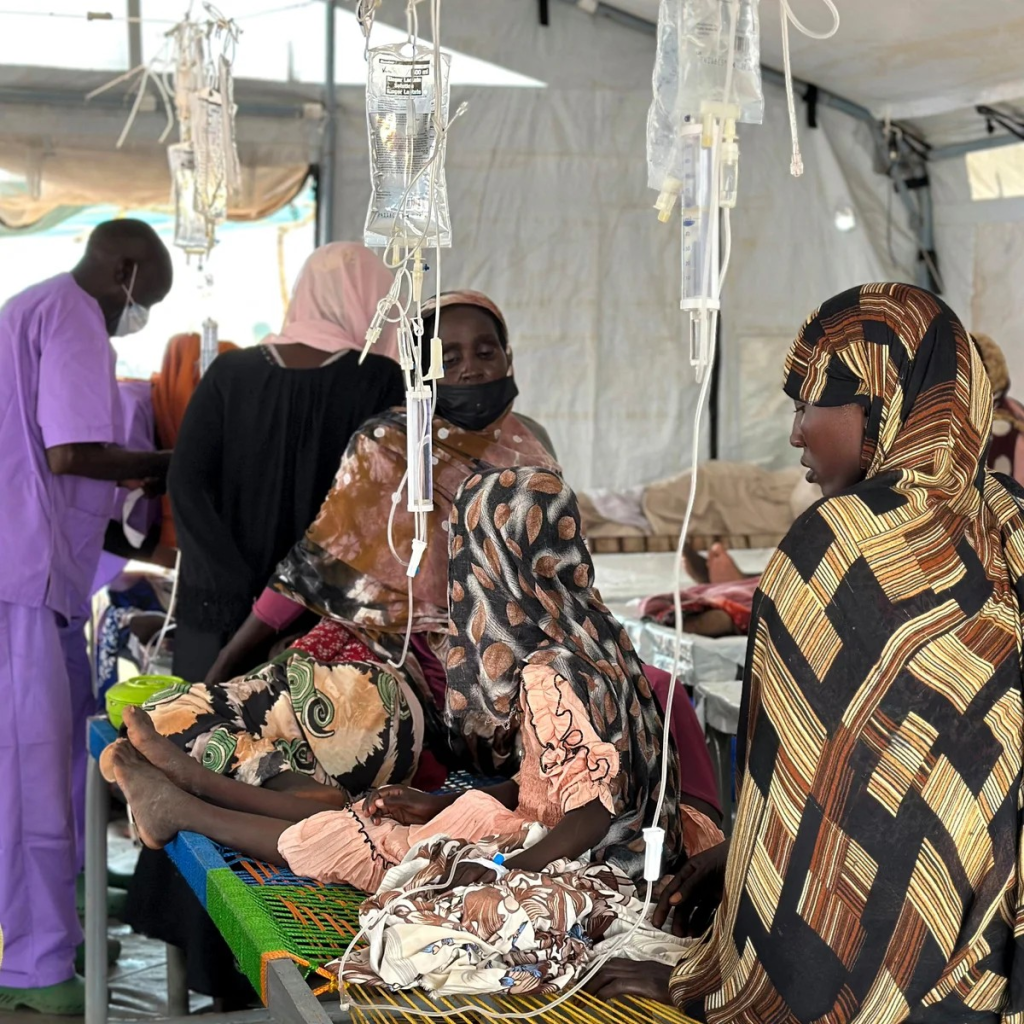
Credit: The Guardian
South Sudan continued to face multiple public health emergencies during the week of Sept. 7–13, 2026, with the humanitarian crisis in Sudan, cholera and protracted conflict and violence classified as the country’s highest-grade emergencies.
Acute food insecurity and famine risk, along with circulating vaccine-derived poliovirus types 1 and 2, remained high-level public health threats, while mpox was classified as a moderate emergency.
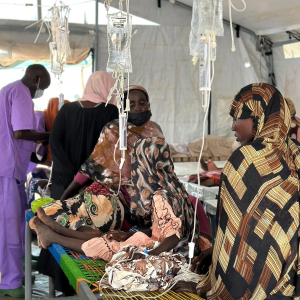
The weekly health emergency update reported 47 new cholera cases and one death across five counties. Cumulatively, South Sudan had recorded 112,448 cholera cases and 1,726 deaths, with a case fatality rate of 1.5%. About 98.4% of patients had recovered and been discharged.
Rubkona recorded 20 new cases, followed by Renk with 10, Mayom with seven, Leer with six and Panyijiar with four. Twenty of the new cases were among internally displaced people in Rubkona. Active transmission remained concentrated in Rubkona, Mayom and Renk, with 21 patients admitted at health facilities in the three counties.
The report said an international coordinating group had declined a request for an oral cholera vaccine campaign in Renk, while South Sudan reviewed the recommendations and continued monitoring the situation. Health authorities and partners were also continuing water, sanitation and hygiene interventions and post-campaign evaluations.
Measles remained another significant health concern, with 1,150 suspected cases and 143 laboratory-confirmed cases reported cumulatively. Active outbreaks were identified in Pariang, Rubkona, Aweil East, Aweil Centre and Tonj North, while investigations and response activities continued in several locations.
Mpox transmission also remained active, with 131 cumulative confirmed cases, two deaths and 737 suspected cases. Active transmission was reported in Ezo, Juba, Tambura and Yambio, while health authorities continued case finding, contact tracing, investigations and follow-up.
South Sudan recorded 57,493 malaria cases during Week 37, a 37.5% decrease from the 92,037 cases reported during the same period in 2025. Six malaria-related deaths were reported, compared with 17 during the corresponding period last year. Health authorities had distributed 7.5 million of the 9.5 million allocated long-lasting insecticidal nets, representing 79% of the target.
The health emergency update also highlighted the continuing risk posed by Bundibugyo virus disease in neighboring Democratic Republic of Congo. As of Sept. 13, the DRC had recorded 7,022 confirmed cases and 3,398 deaths across 61 health zones in six provinces. South Sudan had recorded no confirmed cases but had investigated 41 alerts, of which 19 tested negative and 22 were discarded following investigation.
South Sudan was strengthening preparedness in high-risk border counties through screening, surveillance and infection prevention measures. More than 1.1 million people had been screened at points of entry, while 14 of 15 county surveillance officers had been reached for zero-reporting.
No new circulating vaccine-derived poliovirus cases were reported during Week 37. The cumulative figures included 10 AFP-confirmed cVDPV1 cases and three AFP-confirmed cVDPV2 cases, along with environmental isolates. The report said 74 of 80 counties were meeting both key acute flaccid paralysis surveillance indicators, while national readiness for the next round of national immunization days stood at 56%.
Northern Bahr el Ghazal State continued to report hepatitis E, meningitis and snakebite cases. The report recorded 201 hepatitis E cases in 2026, including 19 deaths. Meningitis cases were reported in six counties, with Aweil West recording 49 cases, followed by Aweil East with 31. Nationally, 110 snakebite cases and five deaths had been reported in 2026, while 400 vials of antivenom had been pre-positioned across counties.
In Akobo County, nine health facilities reported 4,627 consultations during the week, including 1,012 malaria cases, 748 cases of acute respiratory infection and 501 acute watery diarrhea cases. Seven cases of severe acute malnutrition with medical complications were also reported.
The report said health service delivery in Akobo remained constrained, with insecurity and supply gaps affecting facilities. The World Health Organization continued supporting partners with emergency medical and nutritional supplies, disease surveillance tools and information materials, while the response called for restoration of routine immunization, outreach services in internally displaced communities and action to address shortages of vaccines and other essential supplies.
The health emergency update called for sustained cholera response in affected counties, continued investigation of measles outbreaks, strengthened malaria preparedness ahead of the peak season, enhanced cross-border surveillance and restoration of essential health services in areas affected by insecurity and supply shortages.